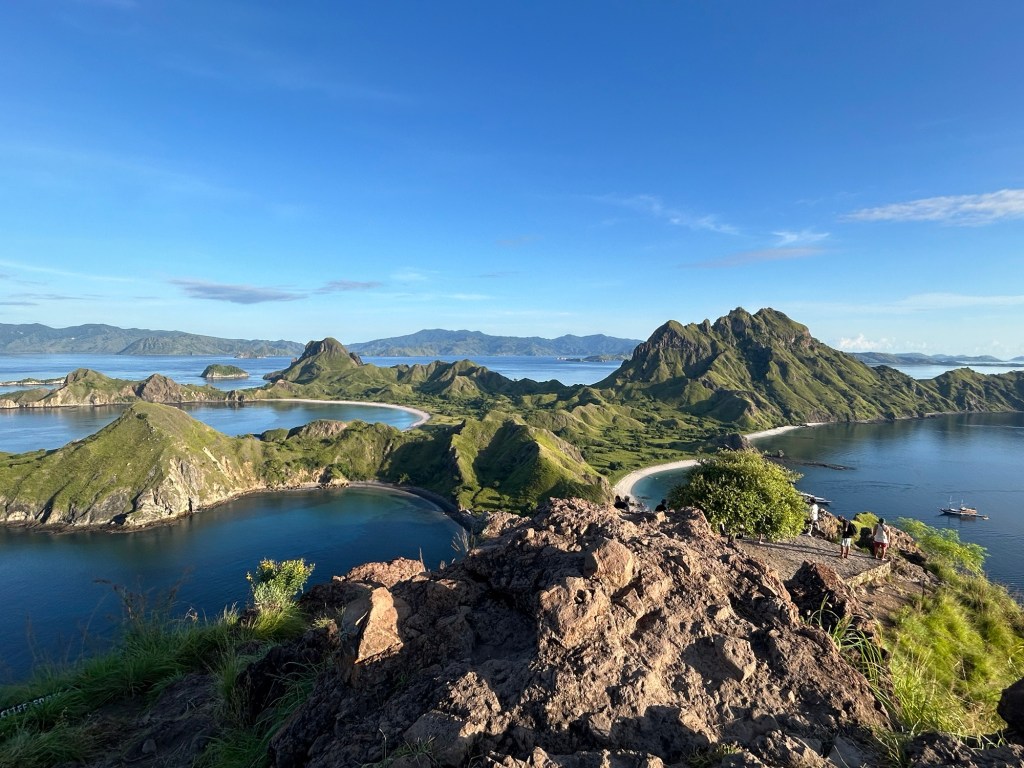
It is hard to pick a destination that has been our “favourite,” so far, as each place has been vastly different. However, Indonesia is incredible and if you ever get the chance or are deciding if you should go, we say do it! We spent 43 incredible days exploring Indonesia, a vast and diverse archipelago made up of over 17,000 islands. Our journey began in Jakarta, the bustling capital on the island of Java, and took us through some of the country’s most beautiful and unique destinations.
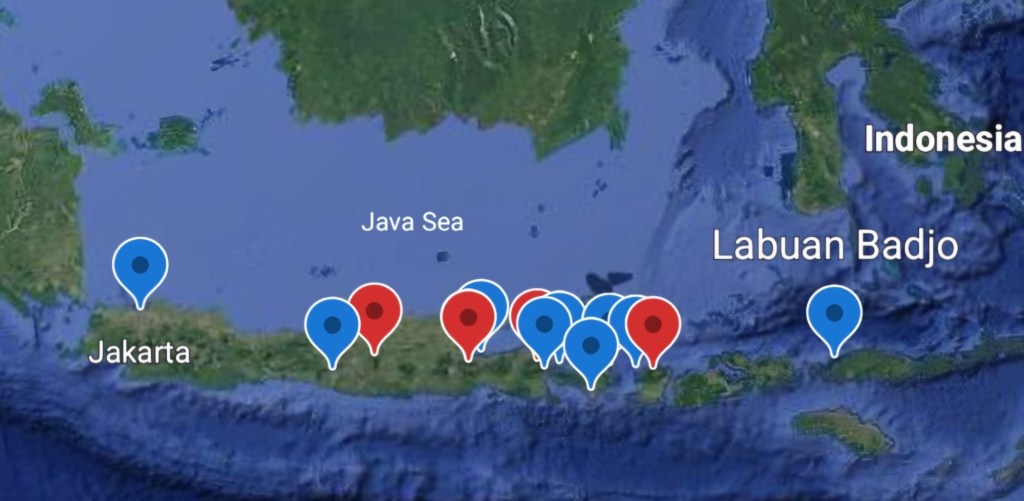
Referencing the map above, we started our journey on Java, learning about Indonesia’s rich history and climbing a few volcanoes. From there, we headed to Bali for some diving, then flew to Flores for two unforgettable liveaboard adventures in Komodo National Park. After that, we headed to Gili Air for some laid-back island time before ending our trip on Lombok, where we capped it all off with a challenging hike up Mount Rinjani.
Keep reading to discover the highlights, challenges, and unforgettable moments from our 43-day adventure through Indonesia—from volcano treks and vibrant dives to island life and cultural insights.
Java — Exploring Indonesia’s Past & Hiking Volcanoes
Our adventure in Indonesia began in Jakarta, the bustling capital city, home to over 30 million people—approximately 10 million less people than the entire population of Canada. The city was a chaotic mix of overcrowded roads and limited pedestrian infrastructure, making it challenging to get around on foot.
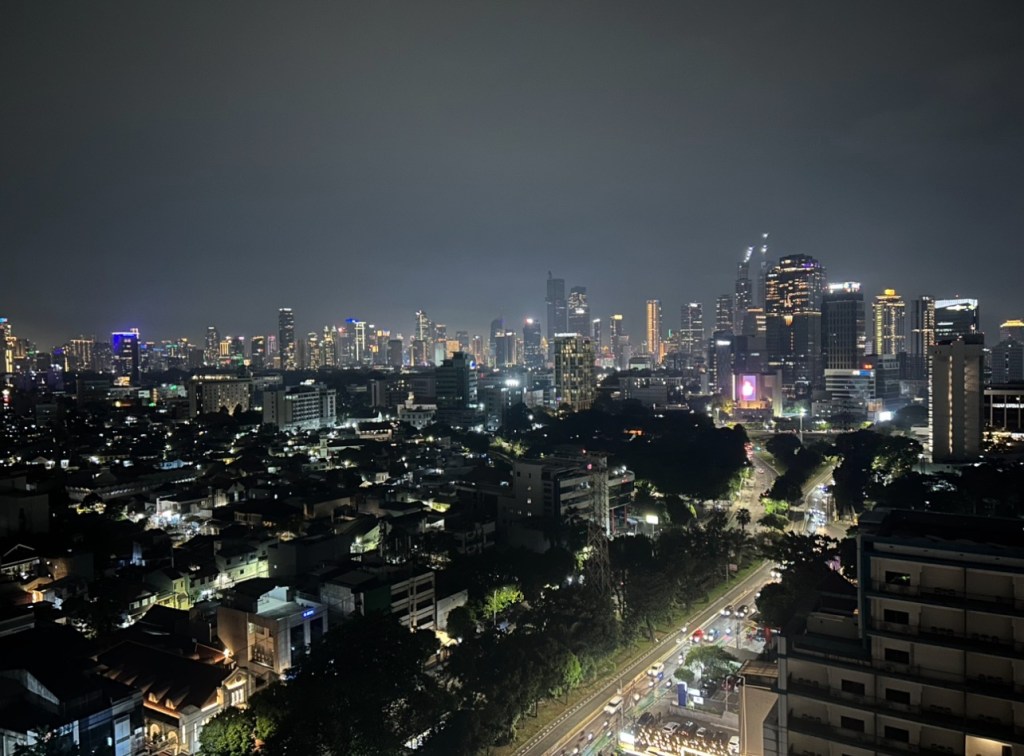
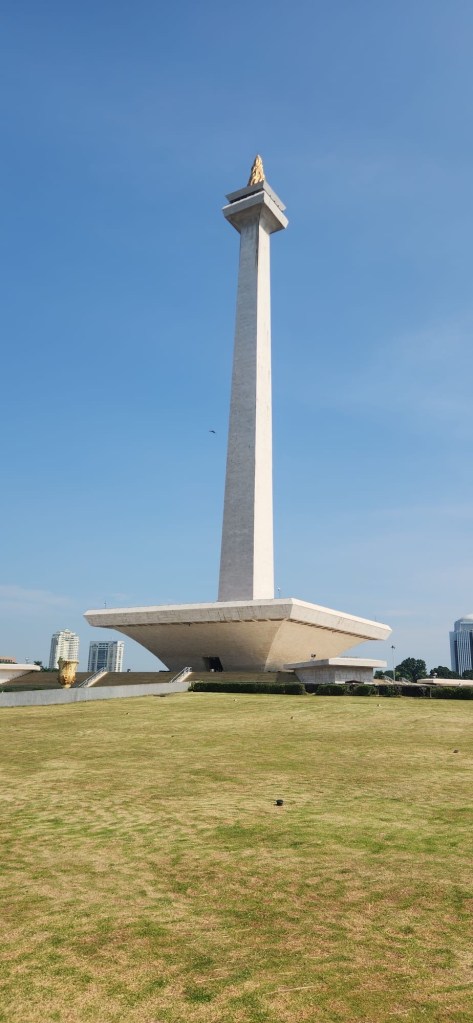
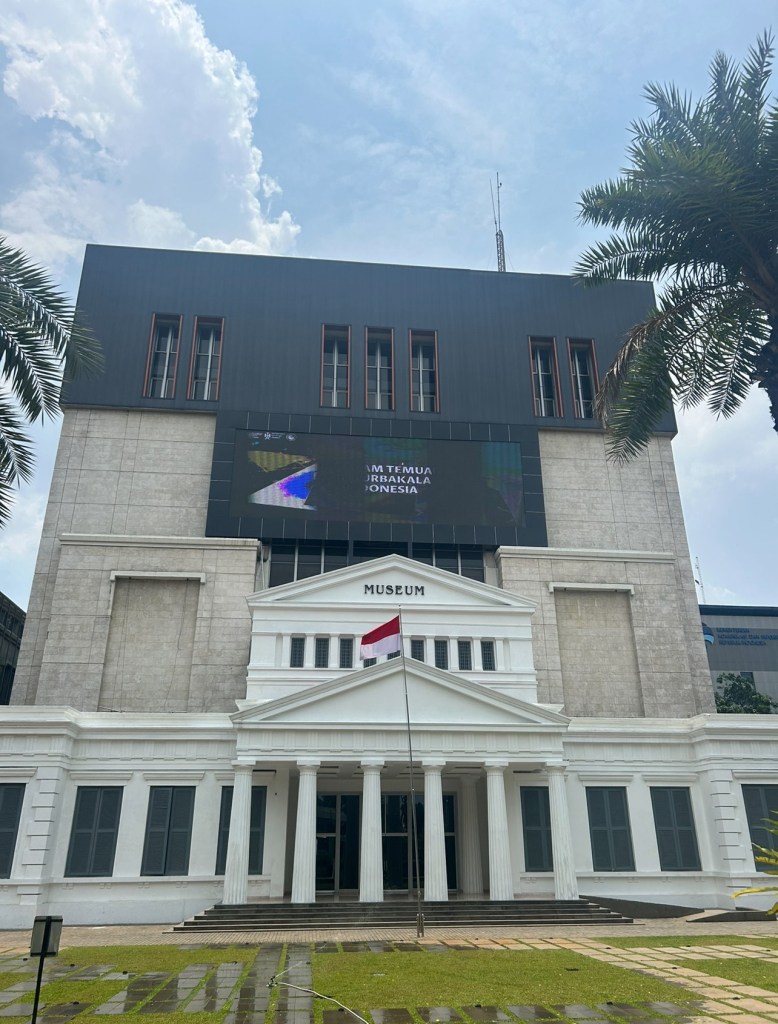
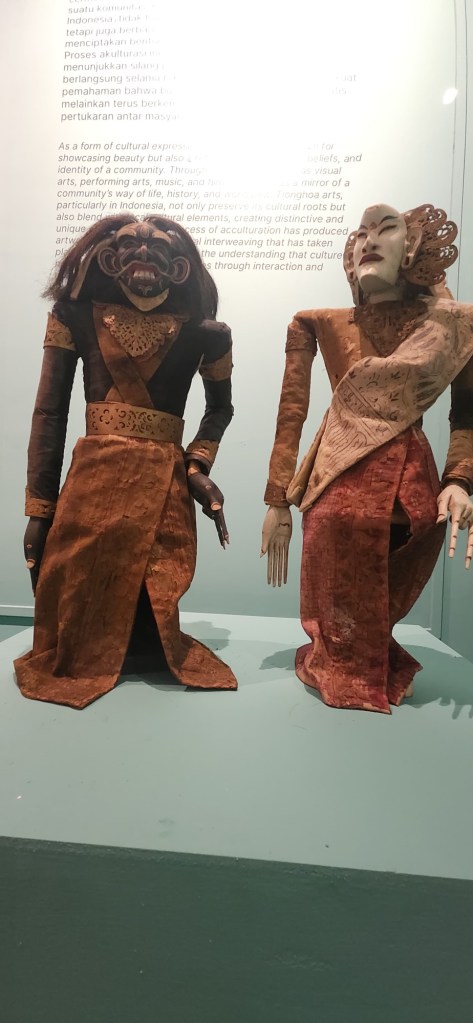
However, we made the most of our short stay by immersing ourselves in the country’s history, visiting the Monas, (short for Monument Nasional or National Monument) which is a monumental obelisk commemorating Indonesia’s independence. Here, we learned about the nation’s struggle for sovereignty against Dutch colonial rule. We also visited the National Museum of Indonesia, which showcased artifacts from around Indonesia and explored the countries rich cultural heritage.
Due to recent flooding which occurred on Java, we changed some of our travel plans for, and headed to Yogyakarta in Central Java.
We arrived during Ramadan, the holiest month in the Islamic calendar, observed by Muslims worldwide as a time of fasting, prayer, and reflection. We observed locals participating in Ramadan from dawn to dusk, abstaining from food, drink, and other physical needs to focus on spiritual growth and self-discipline. Some of our guides were fasting for Ramadan, which meant they climbed mountains with us without eating or drinking during daylight hours—a truly humbling show of strength and dedication.
But as the sun set, the city came alive. The evening call to prayer signalled iftar — the breaking of the fast — and streets filled with the aroma of food as night markets opened and people.
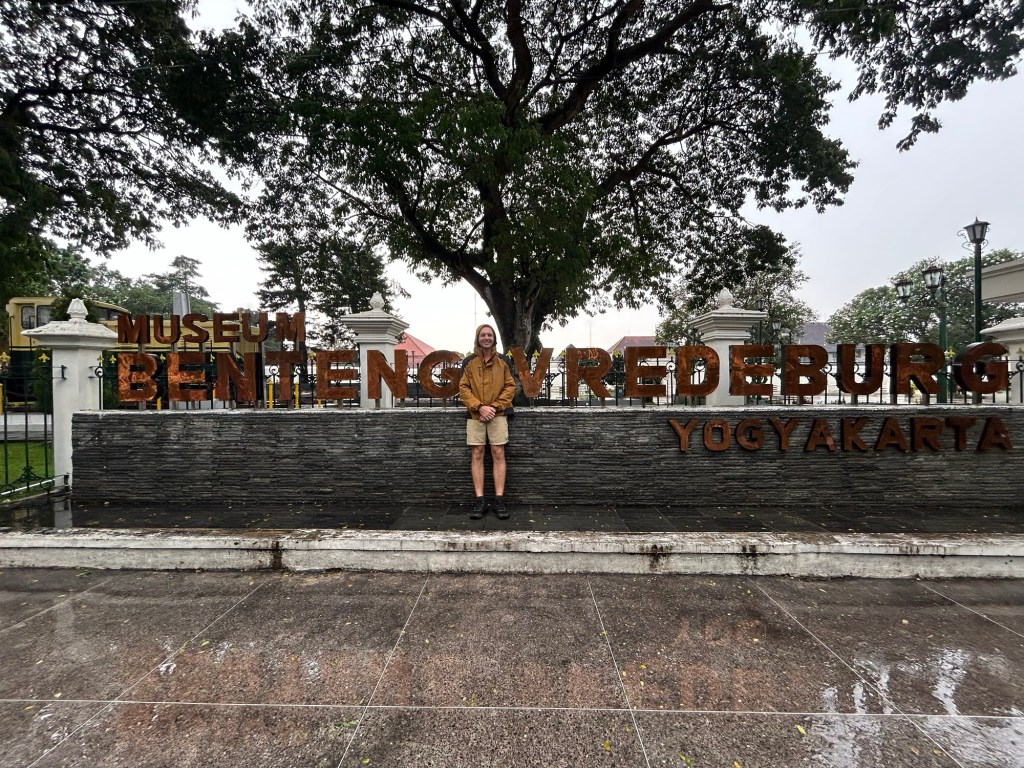
In Yogyakarta, we experienced some heavy rains, so we decided to stay inside and visit the Benteng Vredeberg Museum. Here, we continued our learning journey of Indonesia’s struggle for independence, highlighting important events around the region of Yogyakarta.
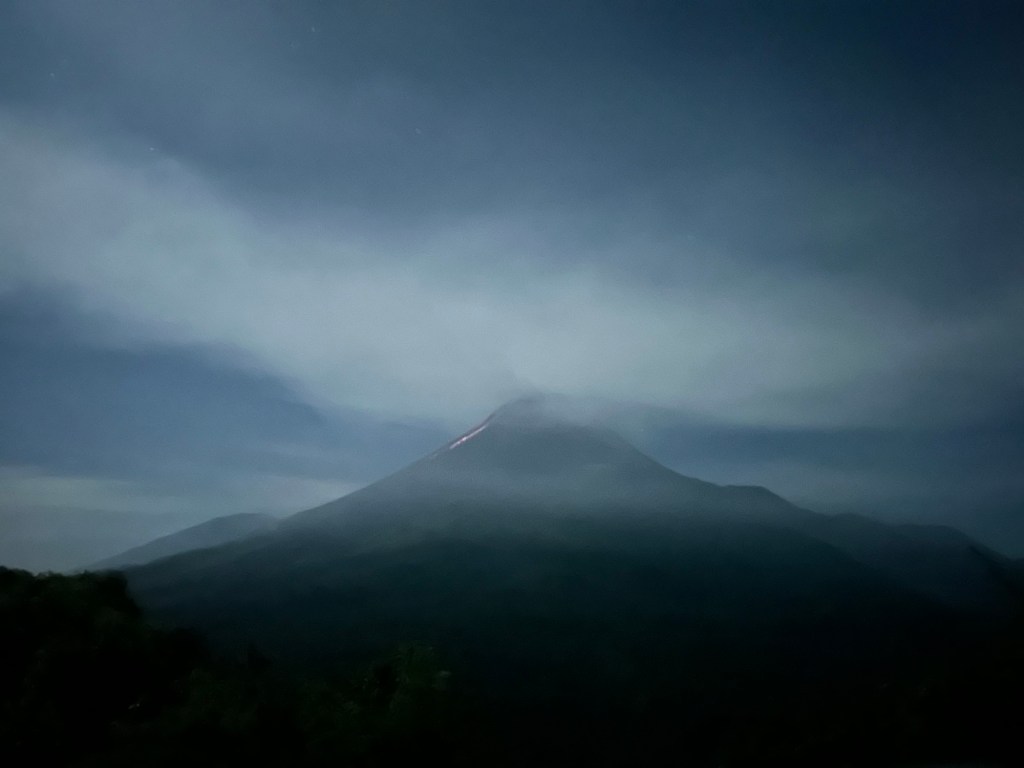
Mount Merapi, located 30km from the city centre of Yogyakarta is one of the countries most active and closely monitored volcanoes. Since December 2020, the mountain has experienced ongoing daily eruptions, which are shared on a 24/7 livestream on YouTube (found here https://m.youtube.com/watch?v=YIZiJxwCDW0). We trekked after dark with headlamps up to a viewpoint across from Mount Merapi, hoping for a glimpse of the daily eruptions, and were lucky enough to witness lava flows rolling down the side of the mountain.
The city also introduced us to Borobudur, the largest Buddhist temple in the world, and a UNESCO World Heritage Site built in the 9th century.
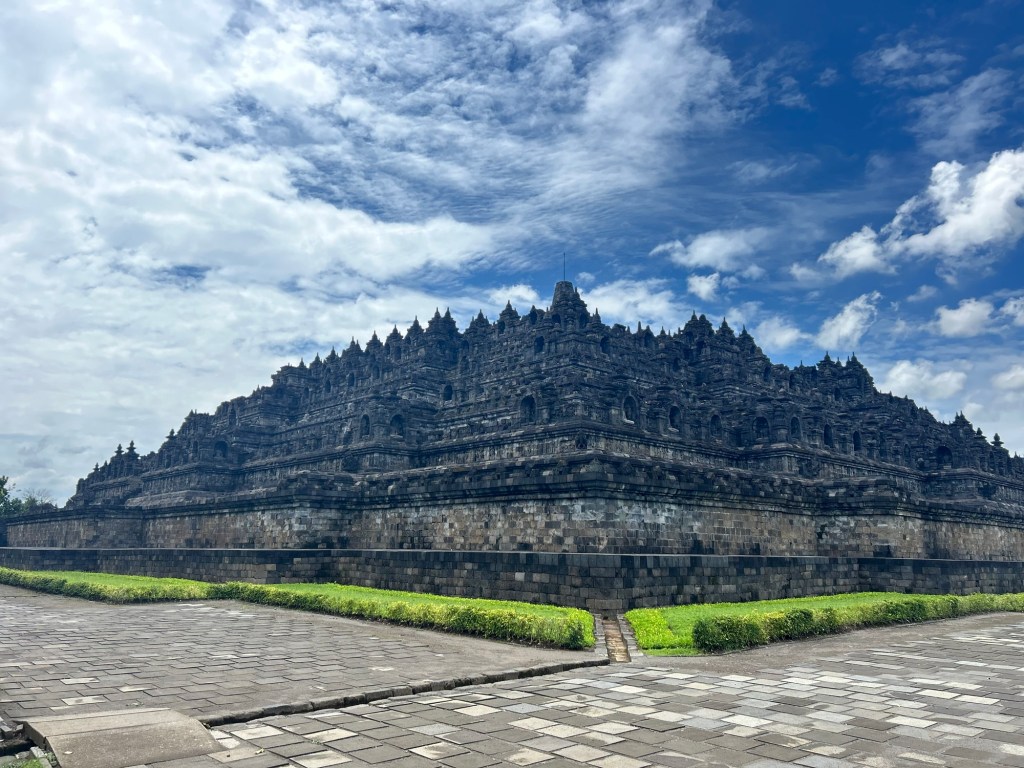
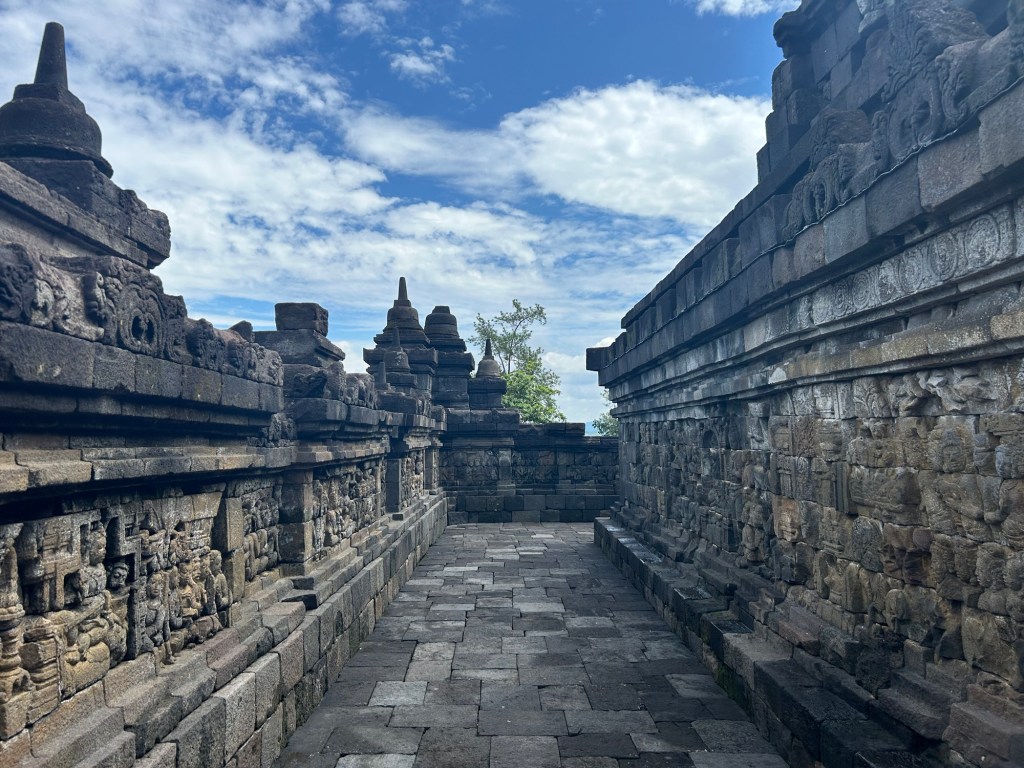
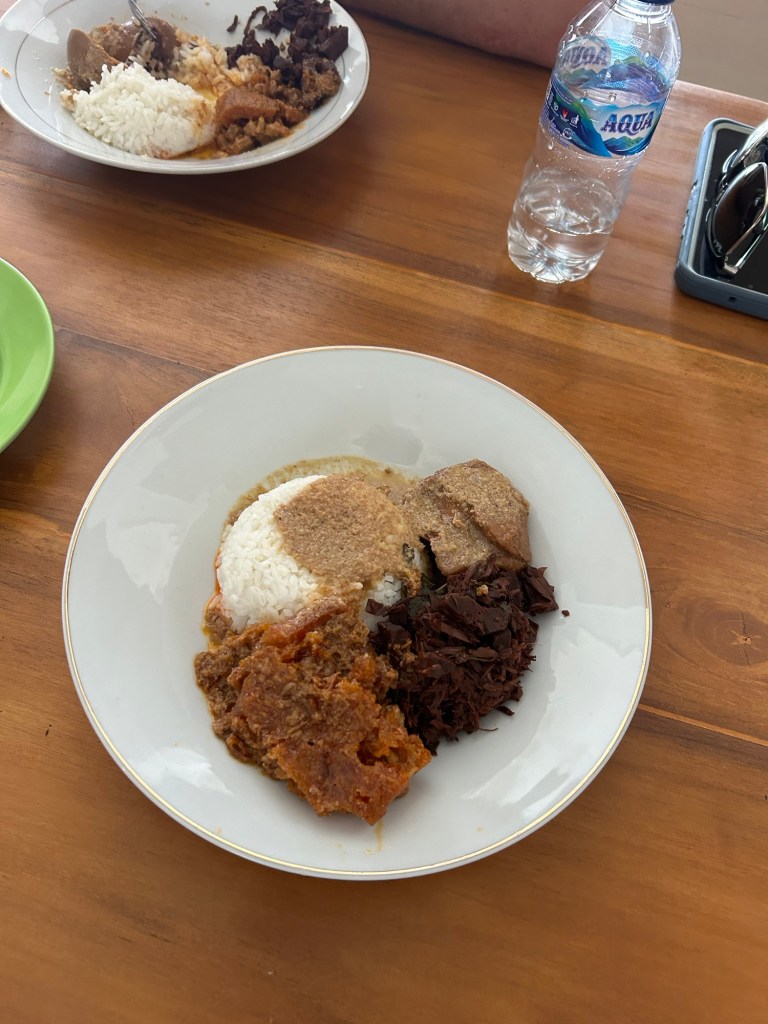
Our local guide mentioned a few traditional restaurants that we made our way to, where we sampled Gudeg, Yogyakartas signature local dish made from fermented jackfruit, served with rice. It was quite tasty!
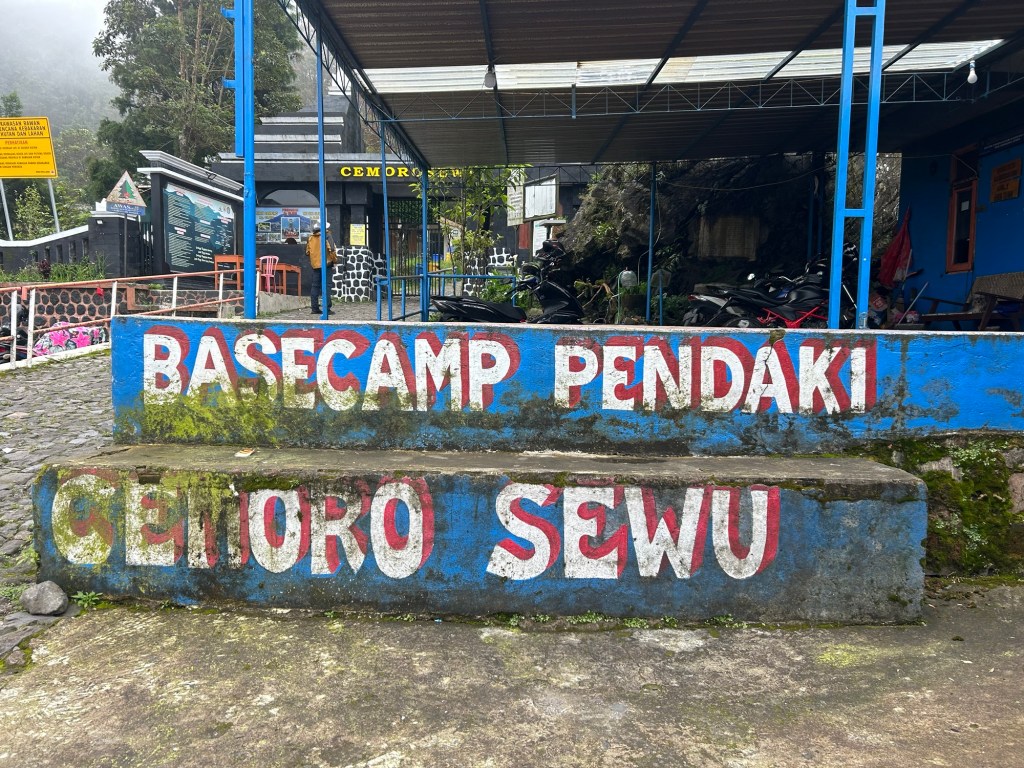
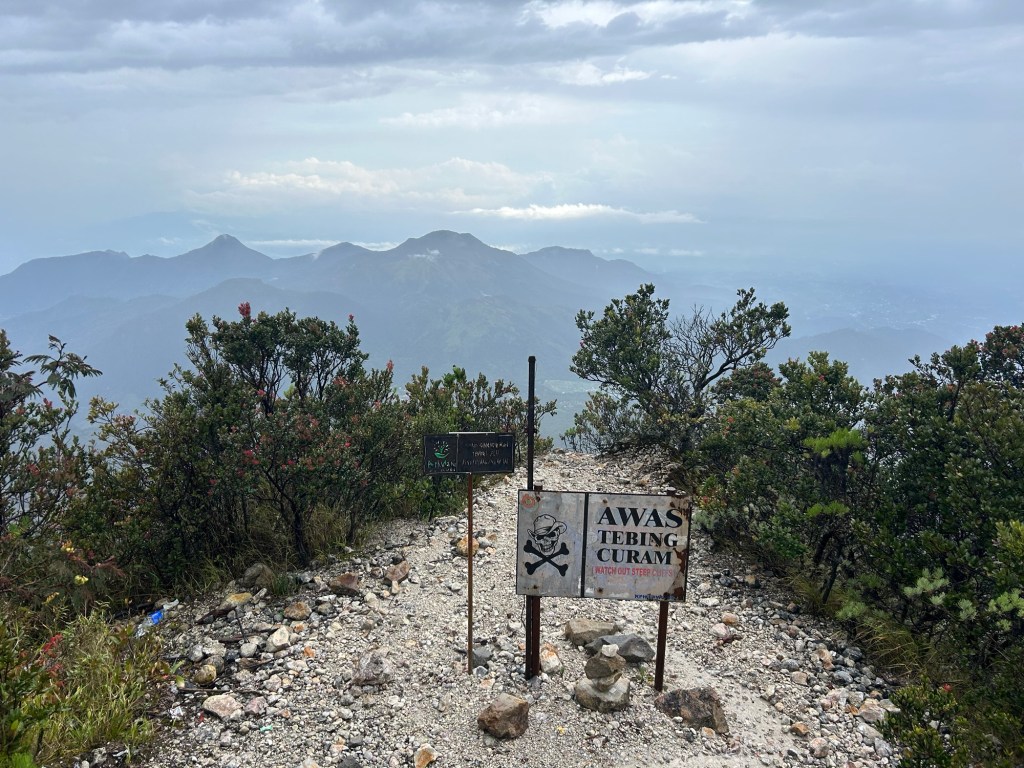
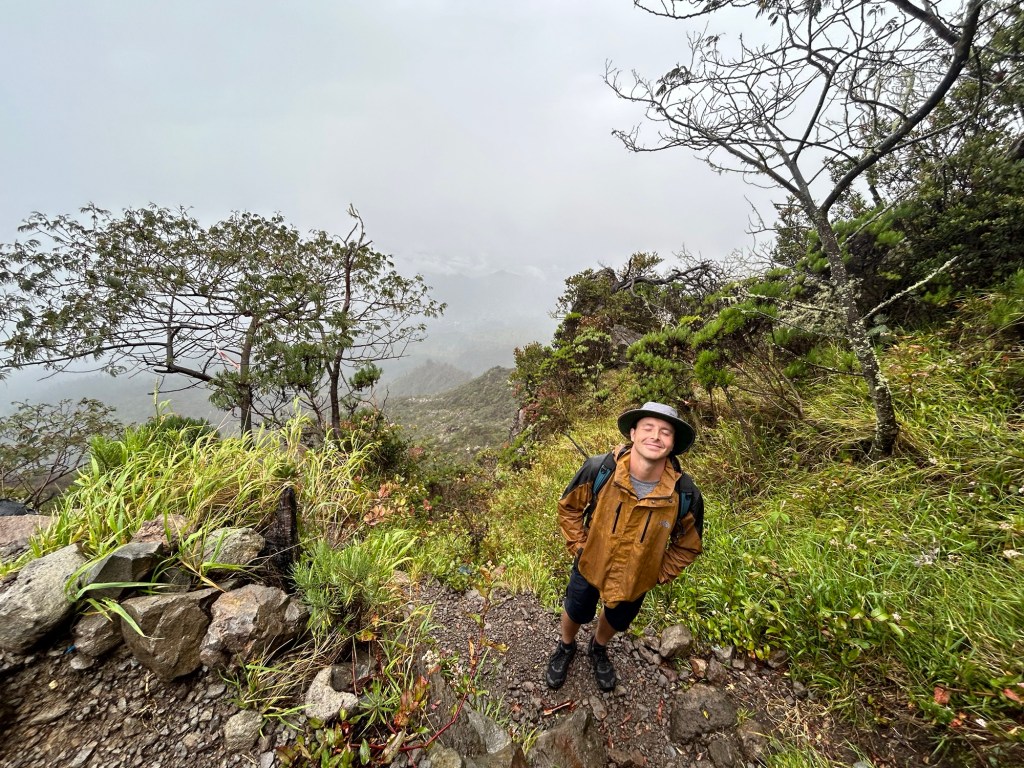
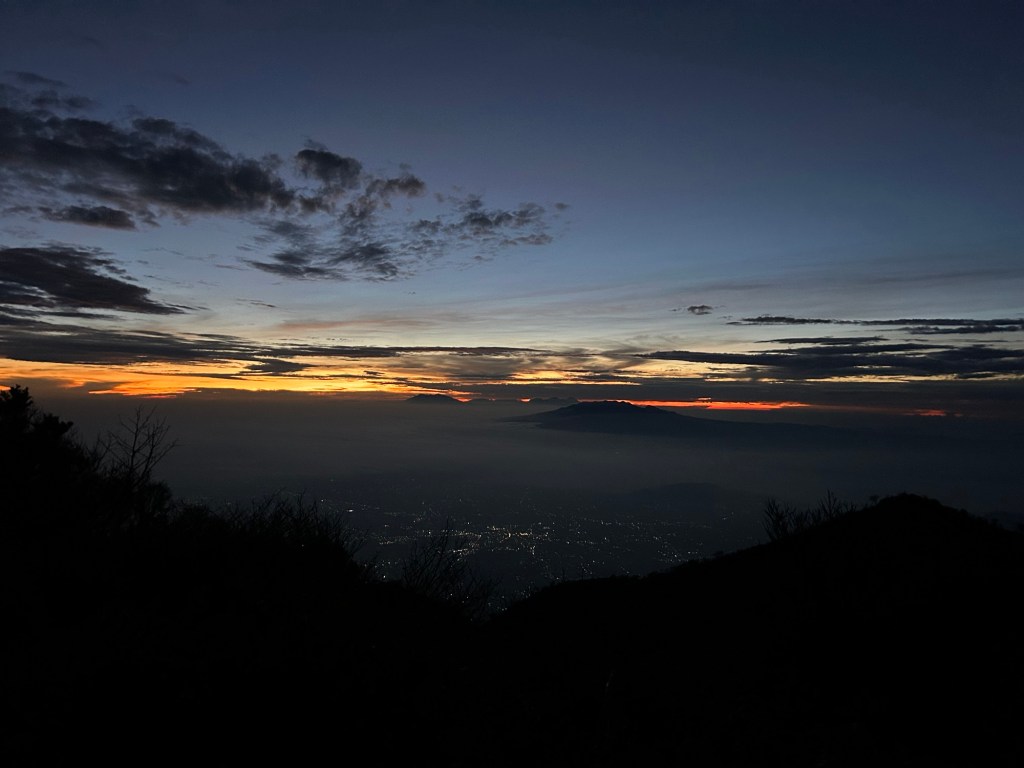
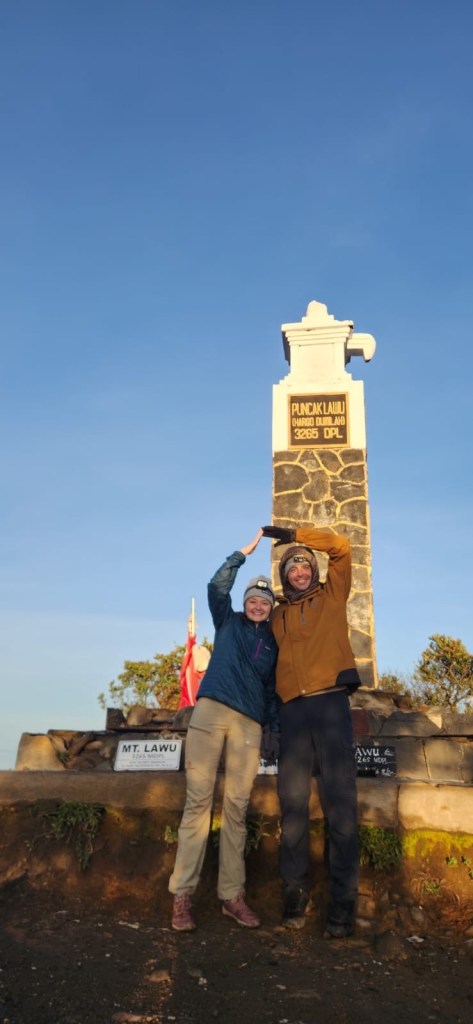
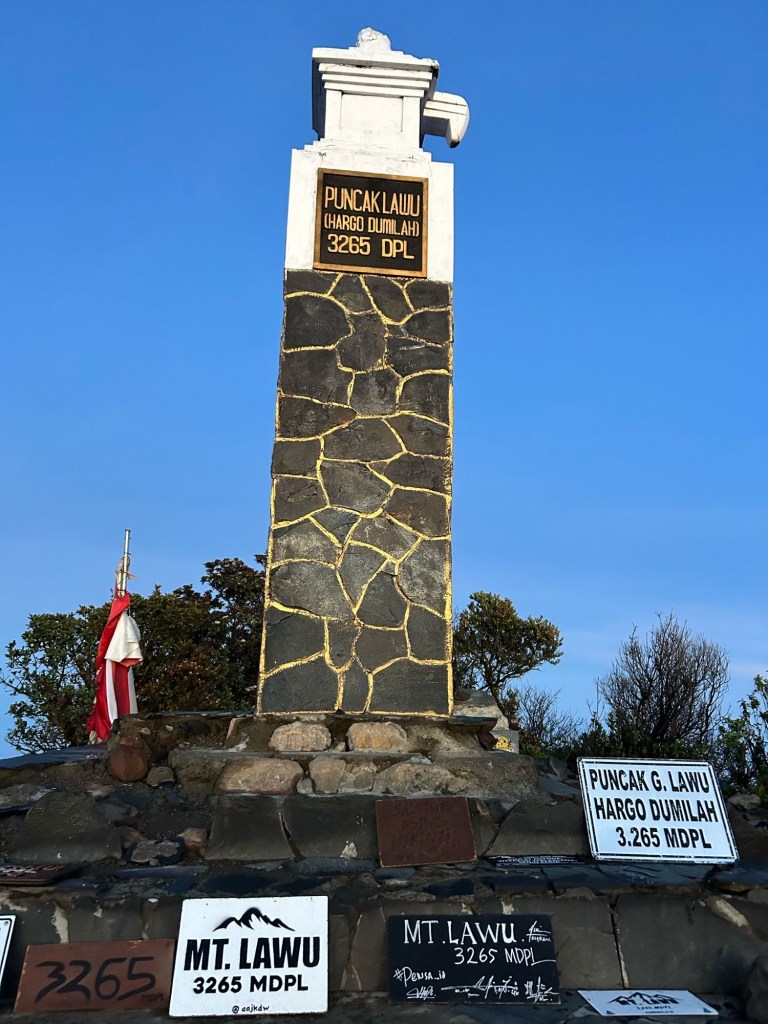
On Java, we also endeavoured on a 3 hour drive east of Yogyakarta to hike Mount Lawu. This was an overnight trip to the summit and back. We were informed this is more of a local’s hike, and we were lucky enough to be the only foreigners on the trail. We ventured through a forest trail and up the steep dormant volcano, experiencing torrential rains near the top. We camped near the summit and in the morning, finished the final stretch where we reached the final summit at 3,265m, and caught an incredibly beautiful sunrise.
We continued our journey to another one of Indonesia’s most famous active volcanoes, Mt. Bromo which lies within the Bromo Tengger Semeru National Park. We trained to a local town called Probolinggo, where we rented scooters and drove the approximately 45kms to Bromo. On the drive, we endured epic thunder claps, pouring rain, fog so dense you could not see more than 10m, and drove by several fresh landslides on the roadway, all while increasing in elevation from sea level up to the volcanic caldera, getting progressively colder, and damper.
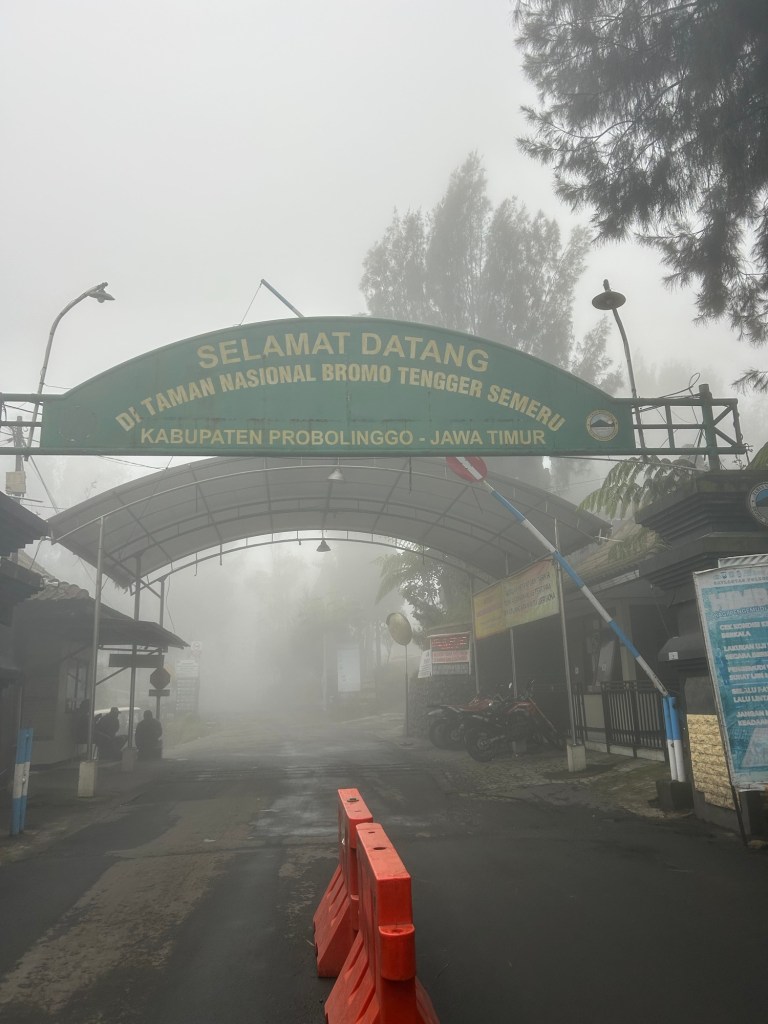
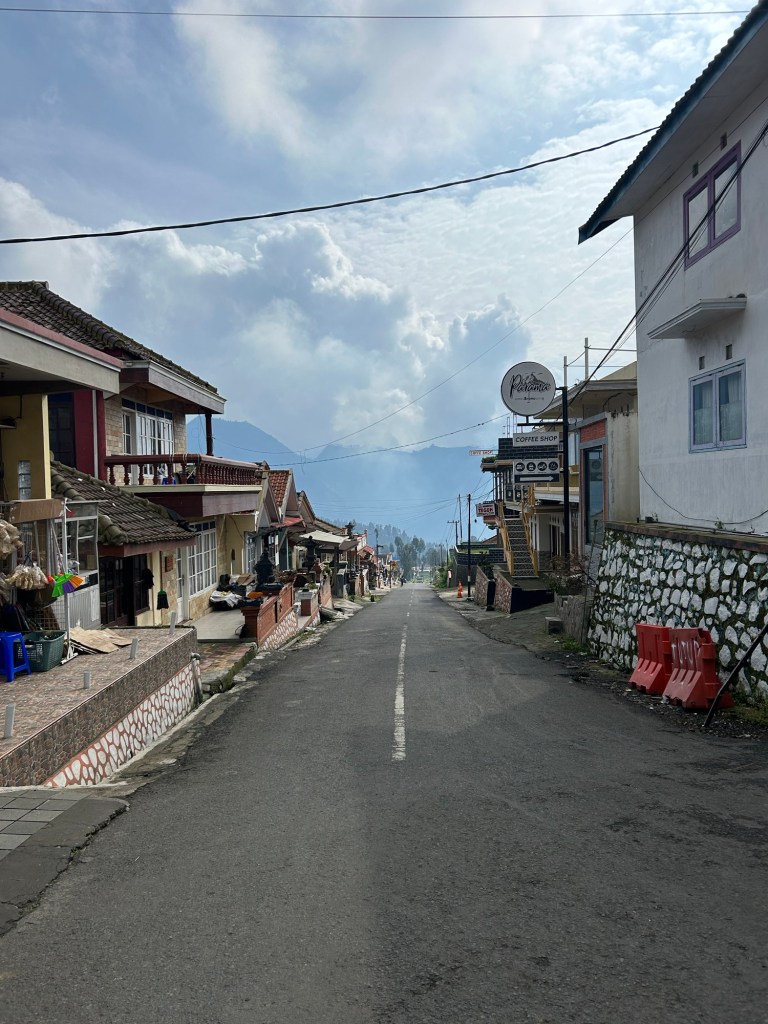
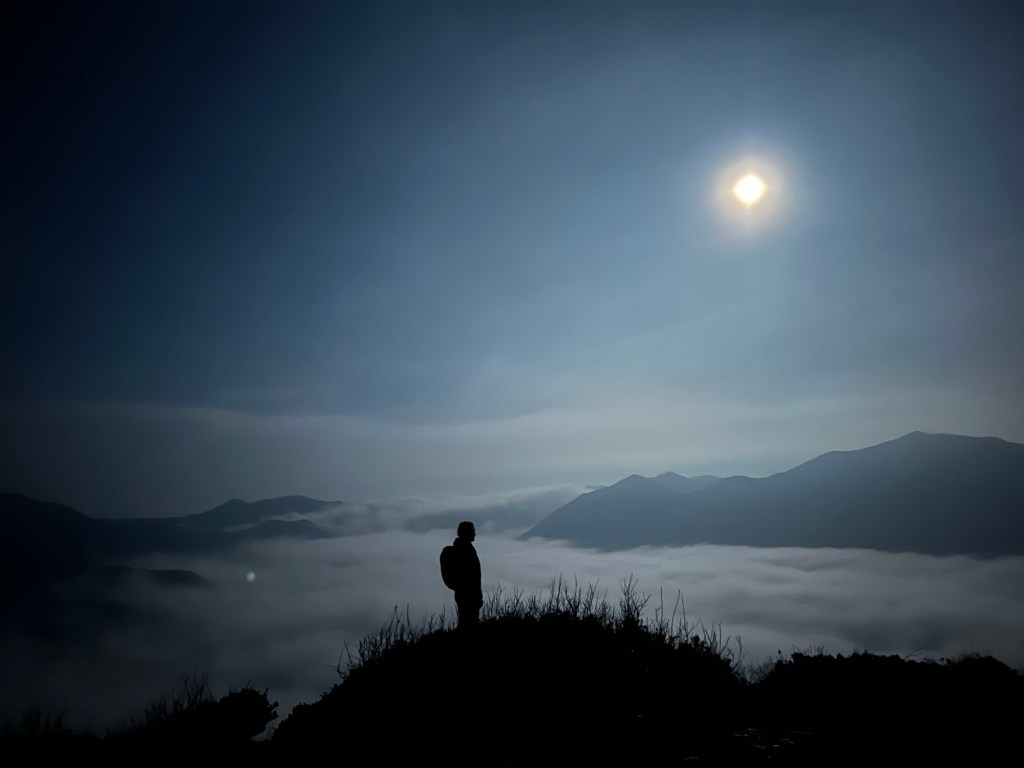
Most people walk from the town, however, we opted to wake at 3:00am, to gain access to a side entrance which takes you down a forested path in the dark lit by headlamp. We decided to do 2 hikes, the first, Mt. Batok, neighbouring Mt. Bromo. We made it to the base guided by headlamp and the All Trails map, after walking the 2km “sea of sand,” which is a large plain of volcanic ash. We were the only ones on the mountain going up and down, and summitted at 5:45am waiting to view the most surreal sunrise we’ve ever experienced. We could see the jeeps and lights of other travellers and hikers in the distance at other viewpoints, but had Mt. Batok all to ourselves!
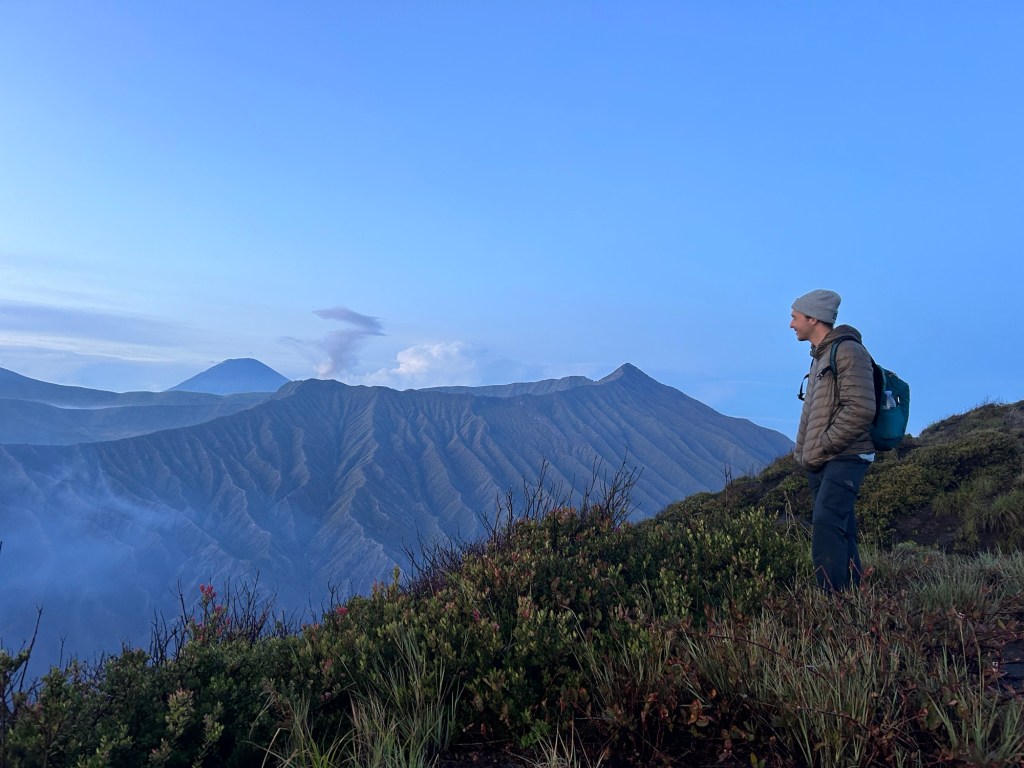
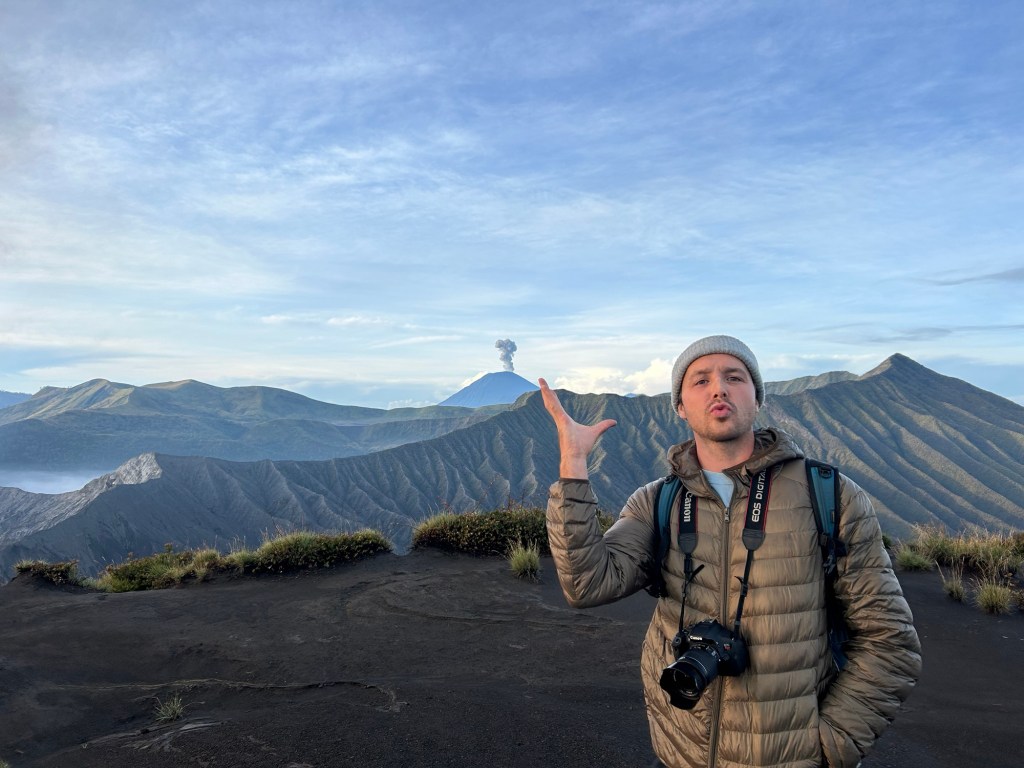
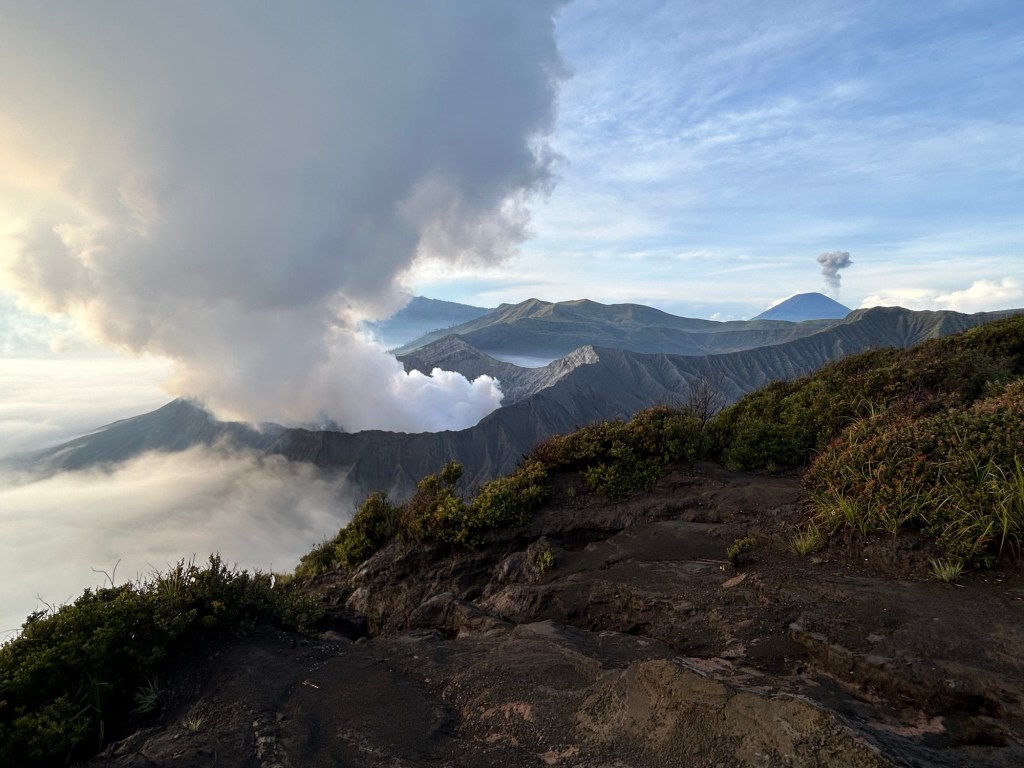
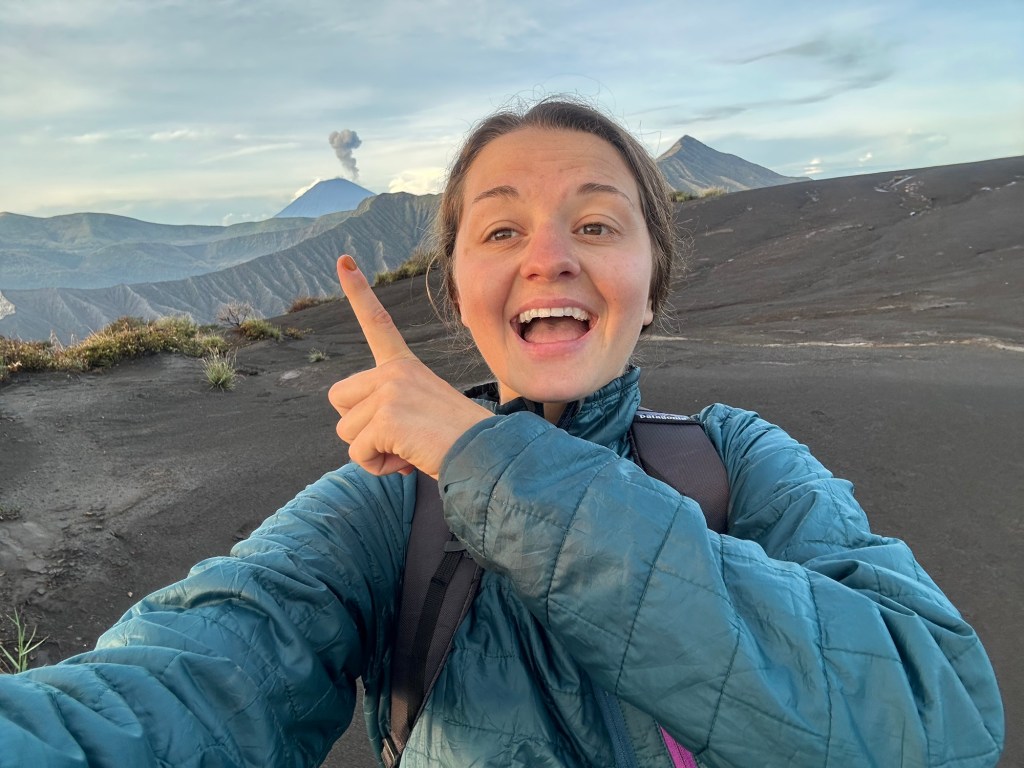
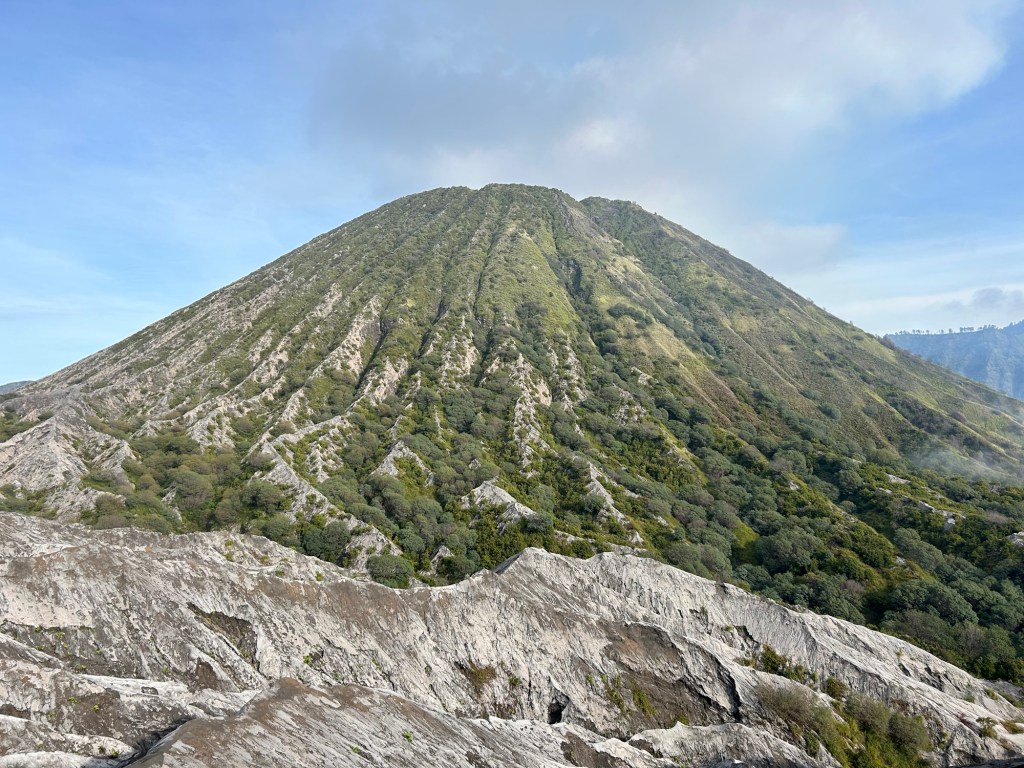
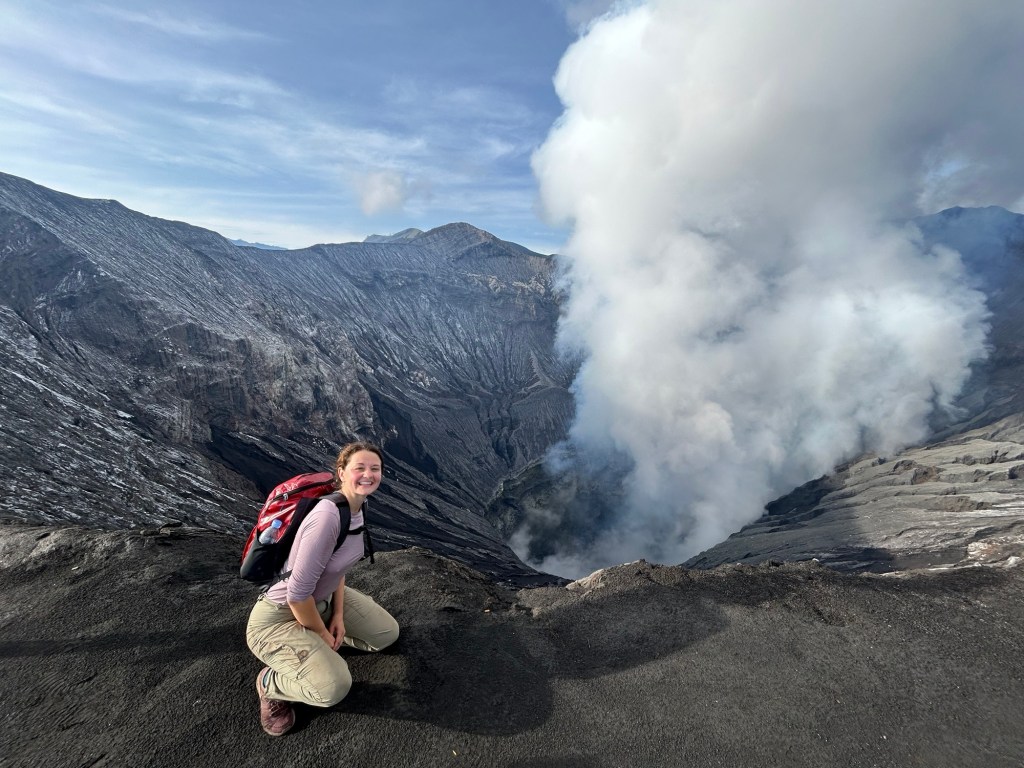
We descended and started our trek to the neighbouring Mt. Bromo, which draws huge crowds directly after sunrise. But since we arrived so early, we were one of the first groups to reach Mt. Bromo. With our legs a little shaky, we climbed the approximately 250 steps to reach the crater rim, able to look directly down into the crater, seeing smoke & steam, while hearing the almost jet like engine sounds of bubbling fluids and gasses.
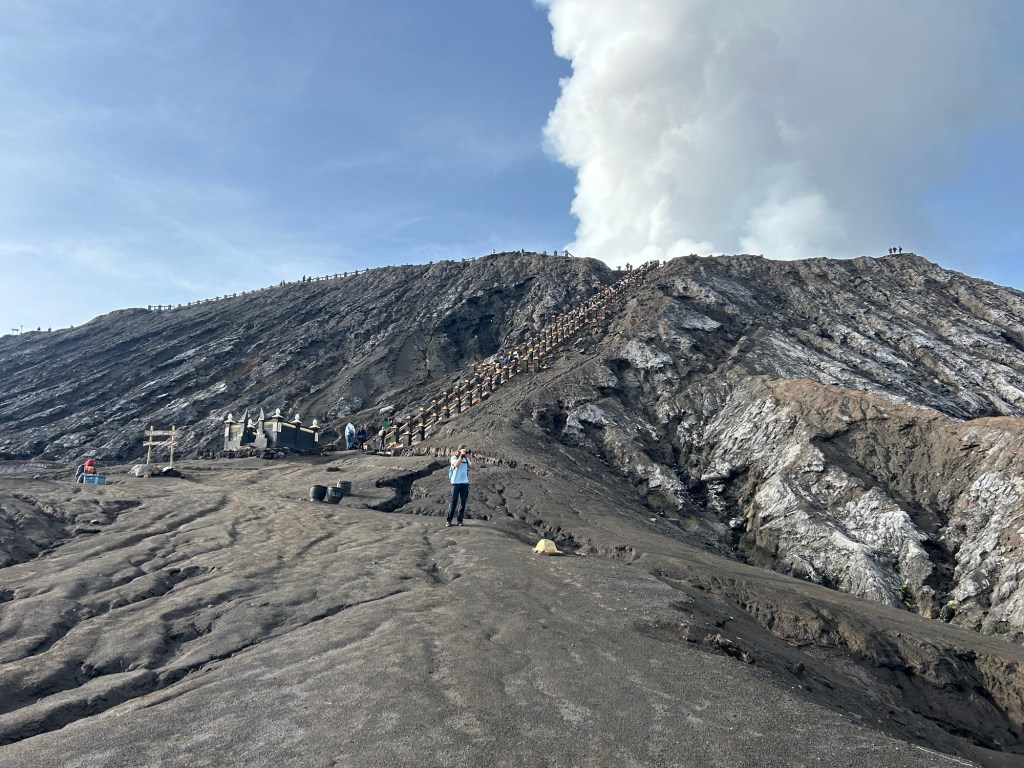
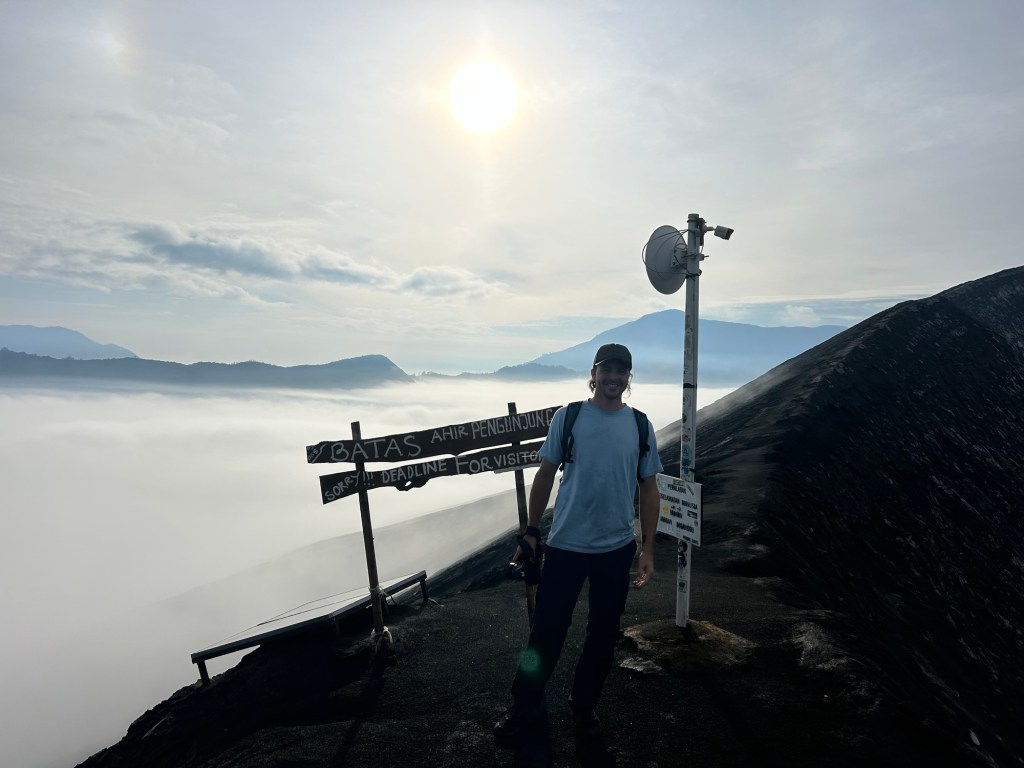
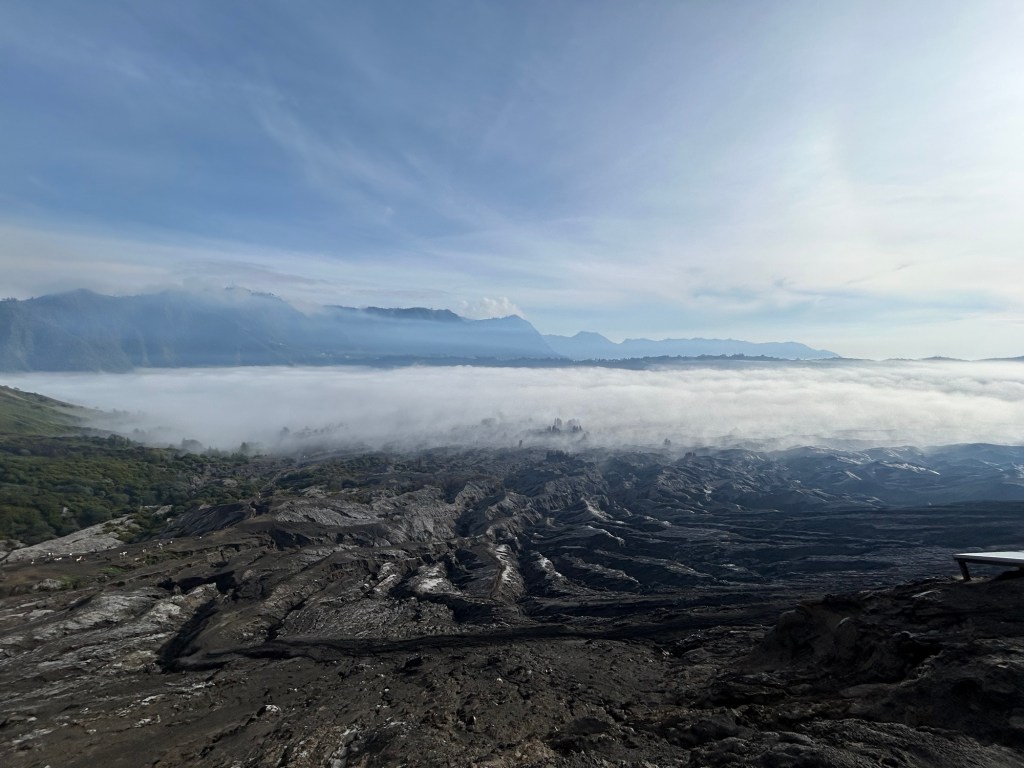
The next evening, we capped off our hikes on Java with a stunning adventure to Mount Ijen, famous for its blue flames and sulfur miners who endure harsh working conditions.
We trained to the neighbouring city of Banyuwangi, where we had a quick 1 hour nap and were picked up at 11:00pm to start our adventure. We arrived at the base and began the 3km hike to the crater rim at 2:00am. There were approximately 500 people doing the hike on this day. We were very fortunate to get a guide who was very energetic, and we were able to finish the uphill push to the crater and ascend into the crater at least 30 minutes before any other groups had arrived. The trek was tough, but we made it to the blue flames without any other tourists and were able to see it and get some great photos.
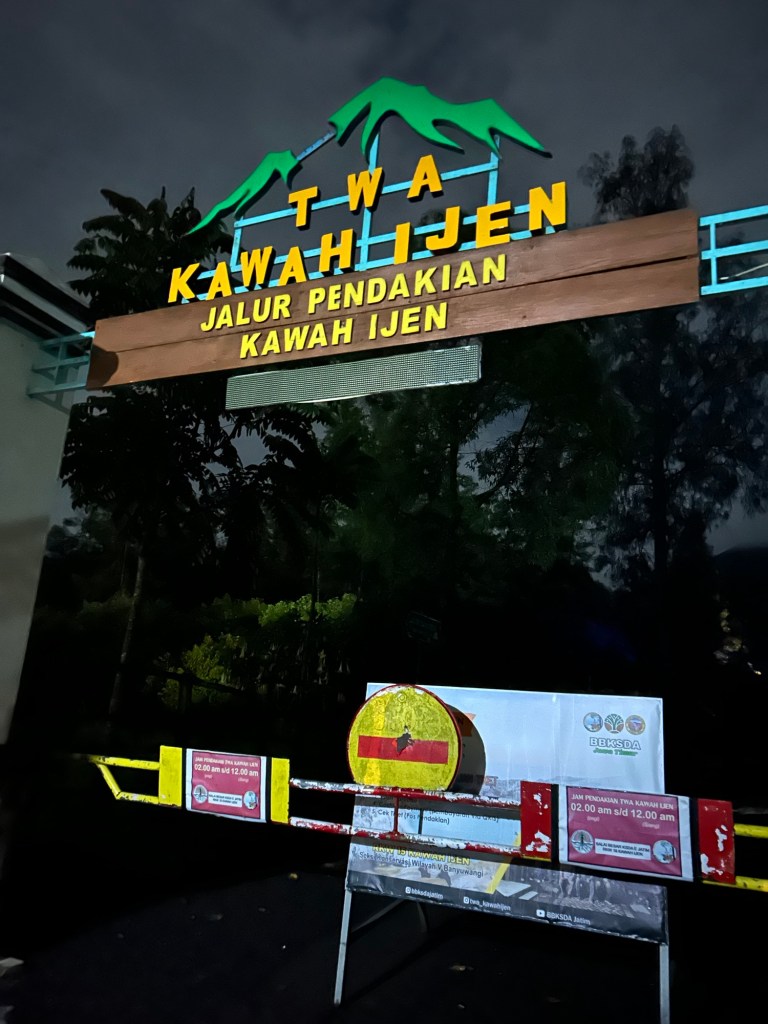
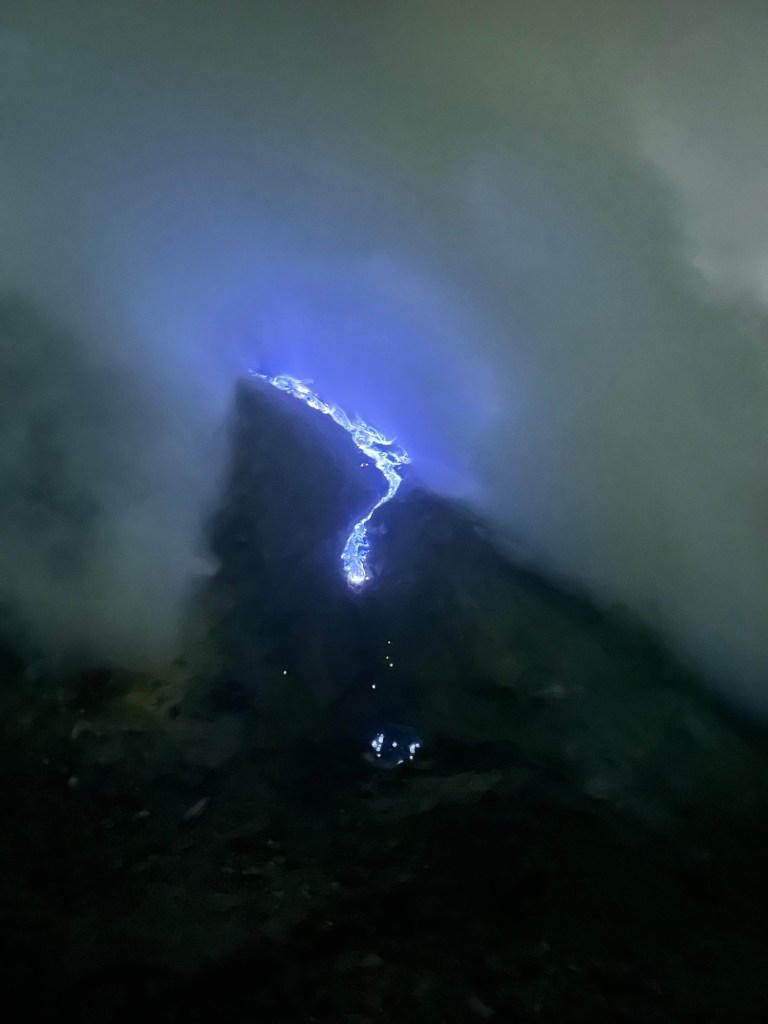
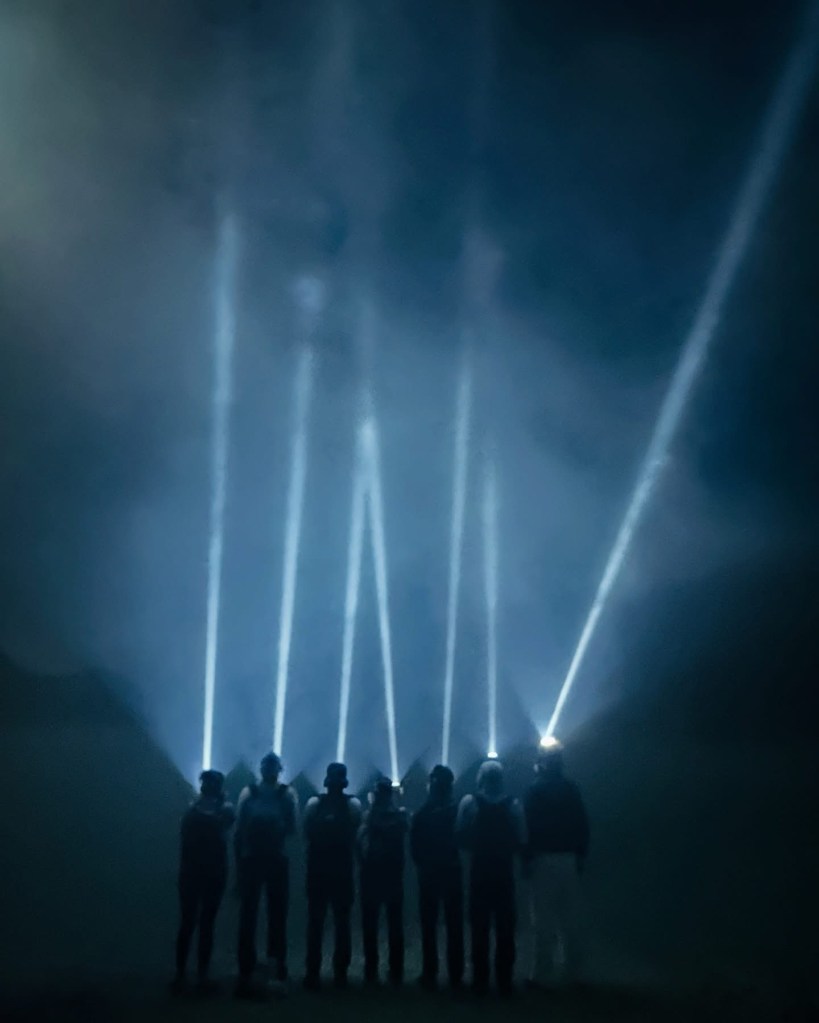
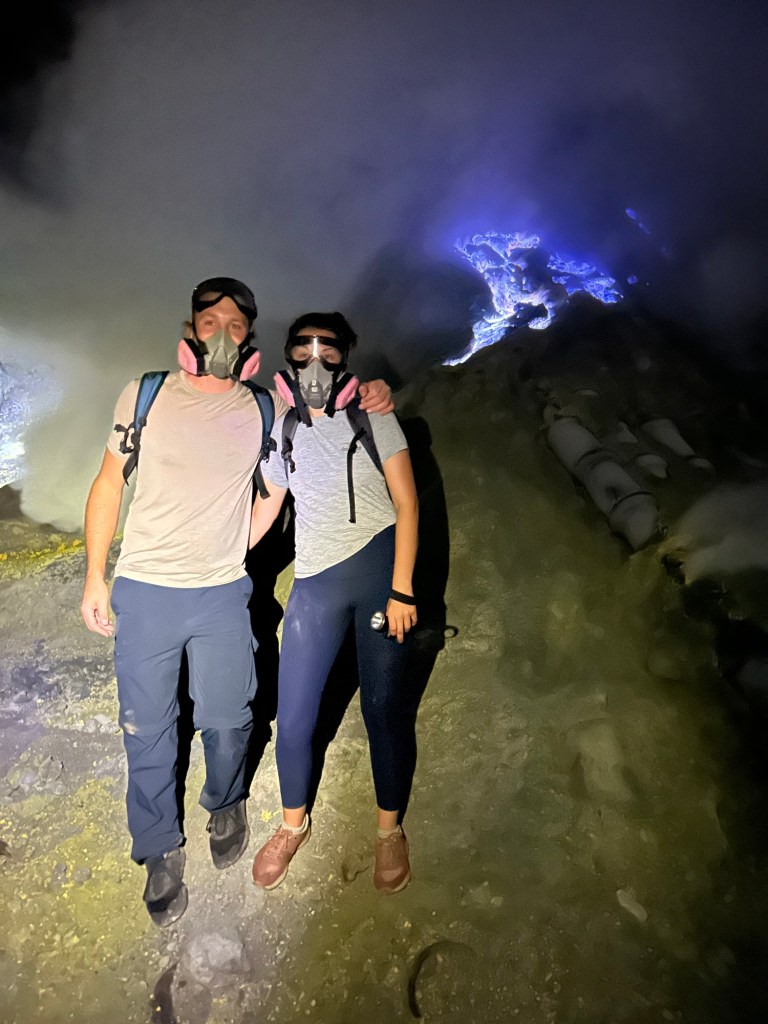
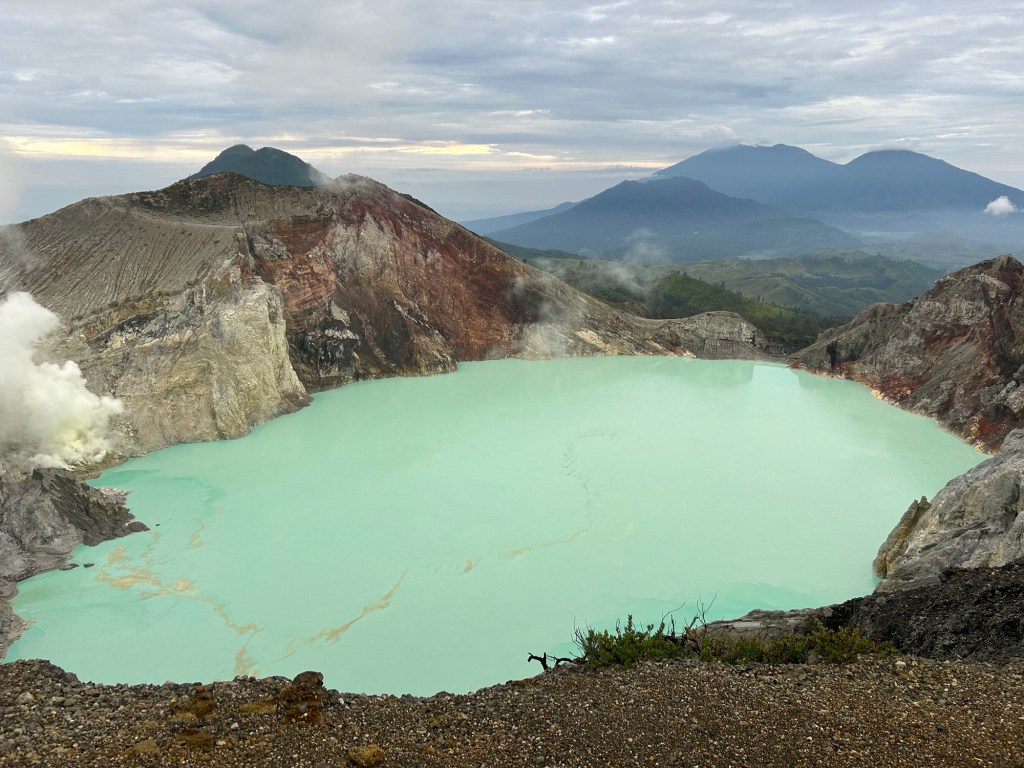
After approximately 30 minutes, others arrived and we could see a sea of headlamps coming into the crater. While we ascended, we had to pass by and get around people on narrow rocks. Once we made it out of the crater, we continued the hike to the summit, and made it in time to catch the beautiful sunrise, and look into the crater.
Bali — Beach Days & Exploring the Outdoors Above and Below the Water
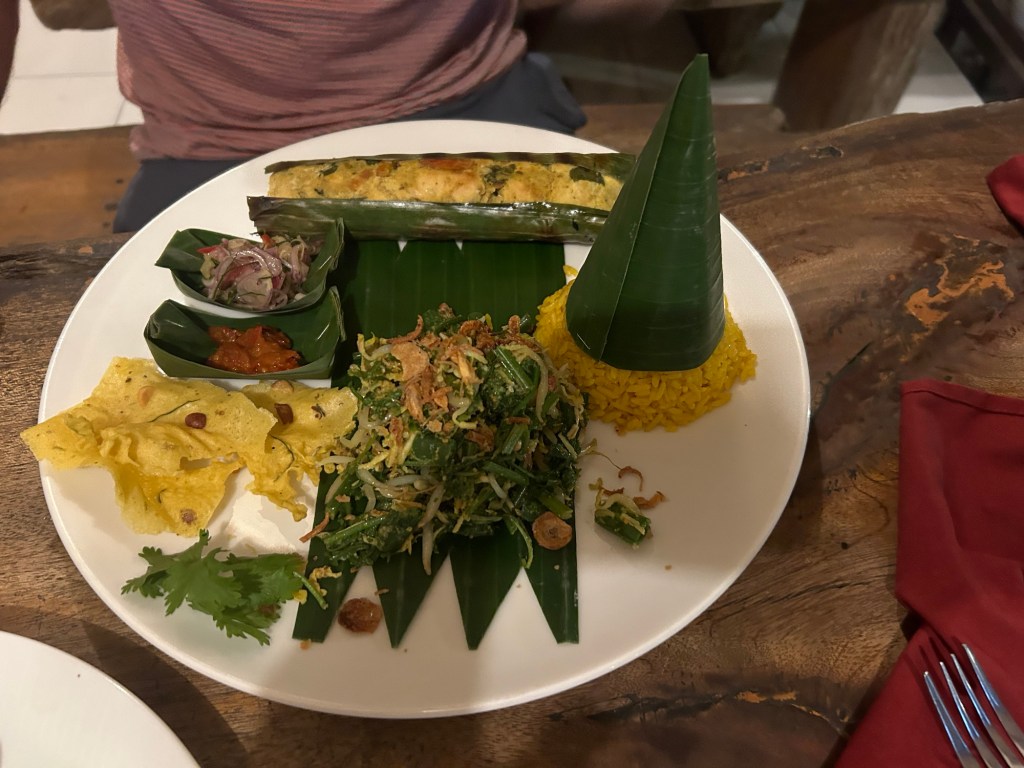
Nasi Tumpeng.
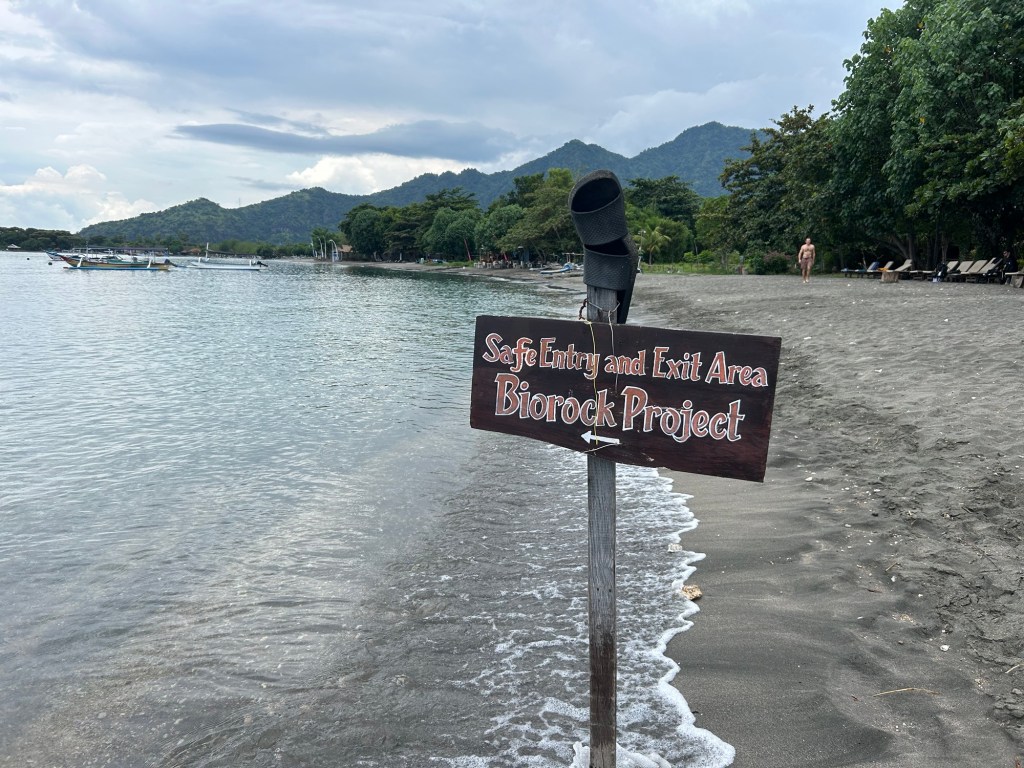
We took the ferry from Java to Bali, and spent our time exploring the island by scooter, diving, and spending time outside in nature. We started our time on Bali in the small coastal village of Pemuteran. We spent the majority of our days diving, mostly off of Menjangan Island, which is a small uninhabited island and is part of the Bali Barat National Park, known for its crystal-clear waters, vibrant coral reefs, and rich marine biodiversity. We were able to do 5 dives in the park, and enjoyed the calm waters and stunning marine life, some highlights being turtles, eagle rays, and octopuses.
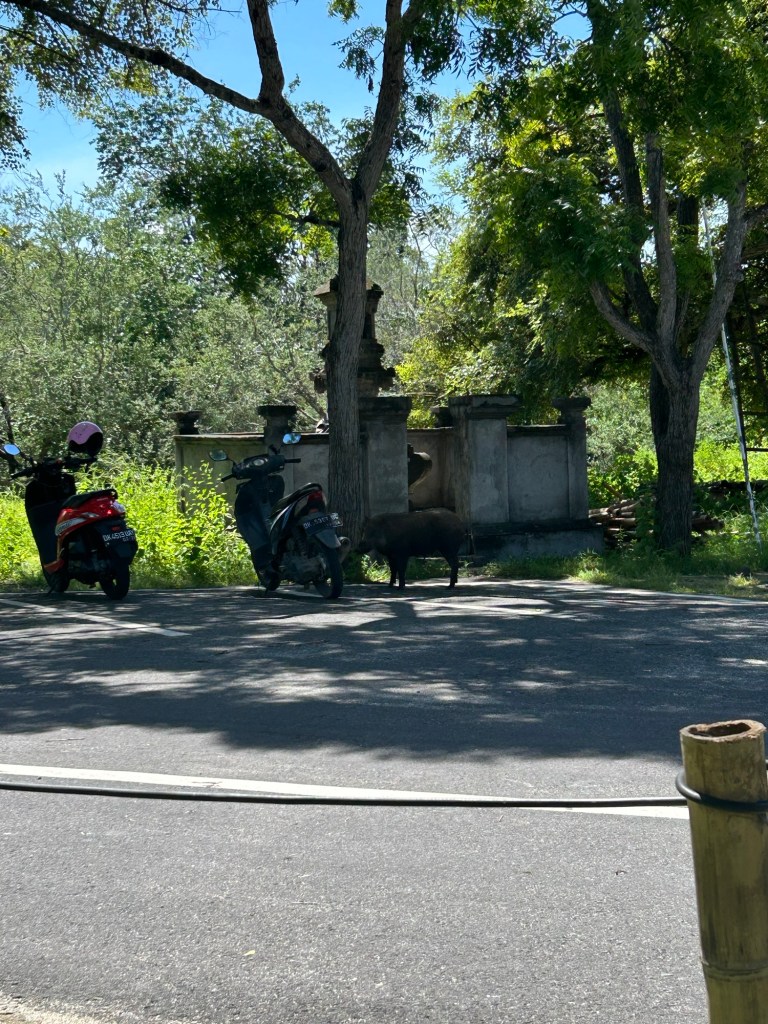
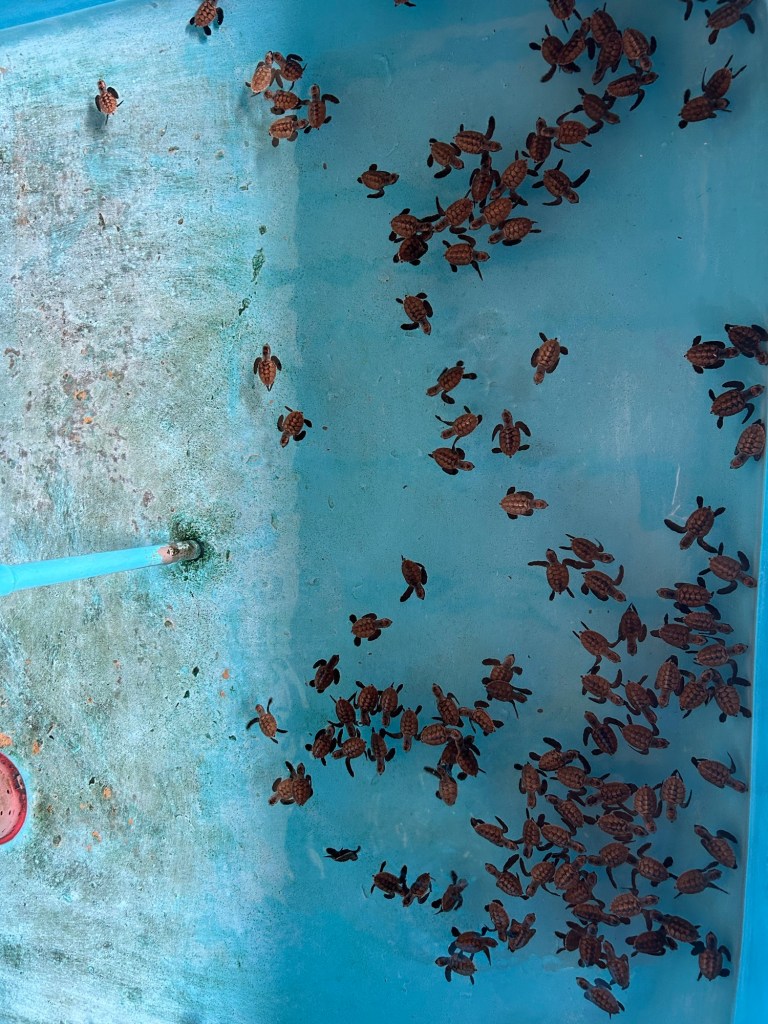
We also ventured to the West Bali National Park, where we rented scooters and went on a wild safari. Prior to our drive, we arranged the route, and our guide checked both of our rental scooters and confirmed we had enough gas (we indeed, did not for the route he had planned). Along the way, we encountered monitor lizards, wild pigs, and elusive black monkeys. The day turned into quite an adventure as we left the safari cement path, and navigated on scooter through thick brush, battling fallen trees and (I’m certain snake infested) tall grasses.
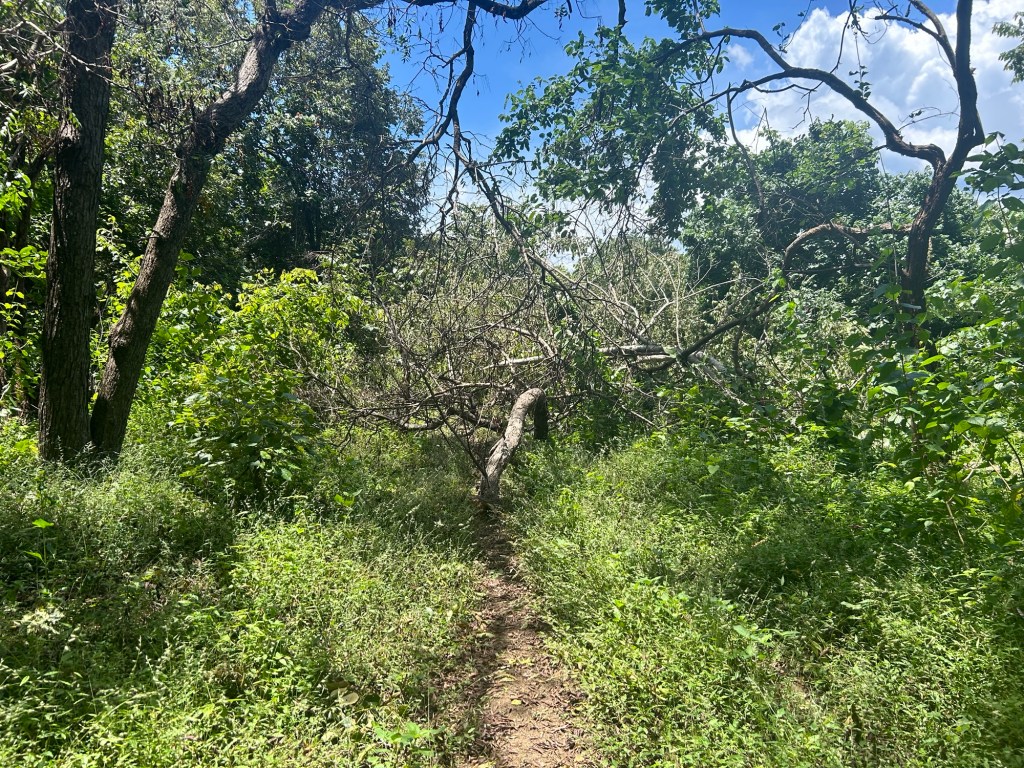
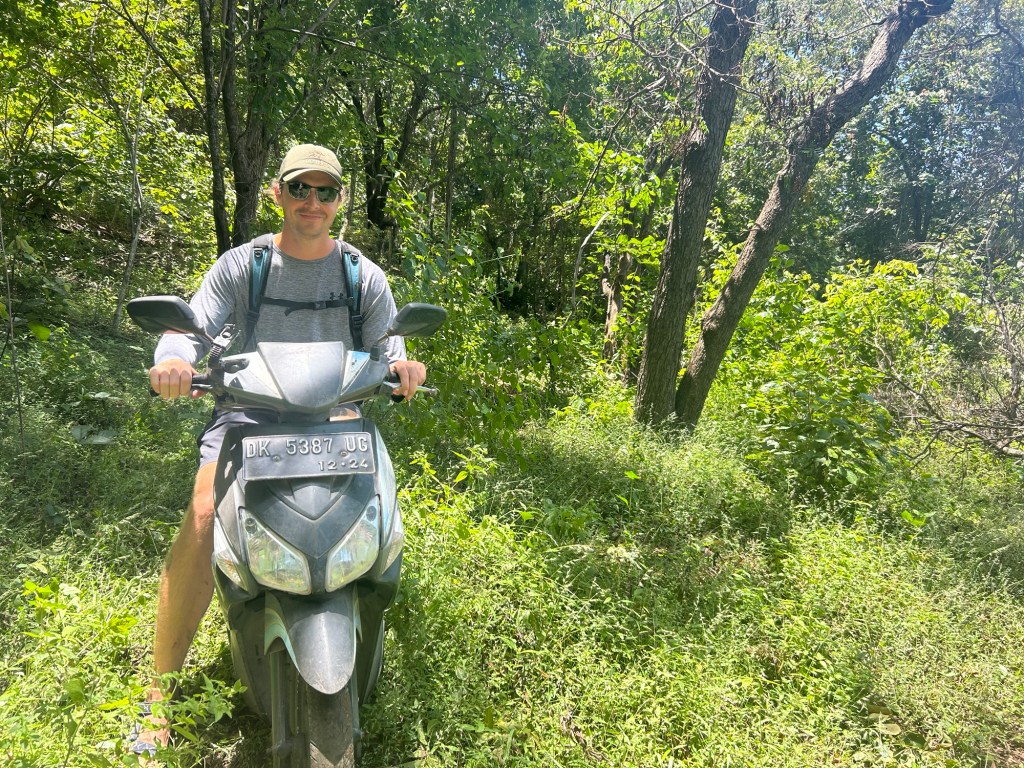
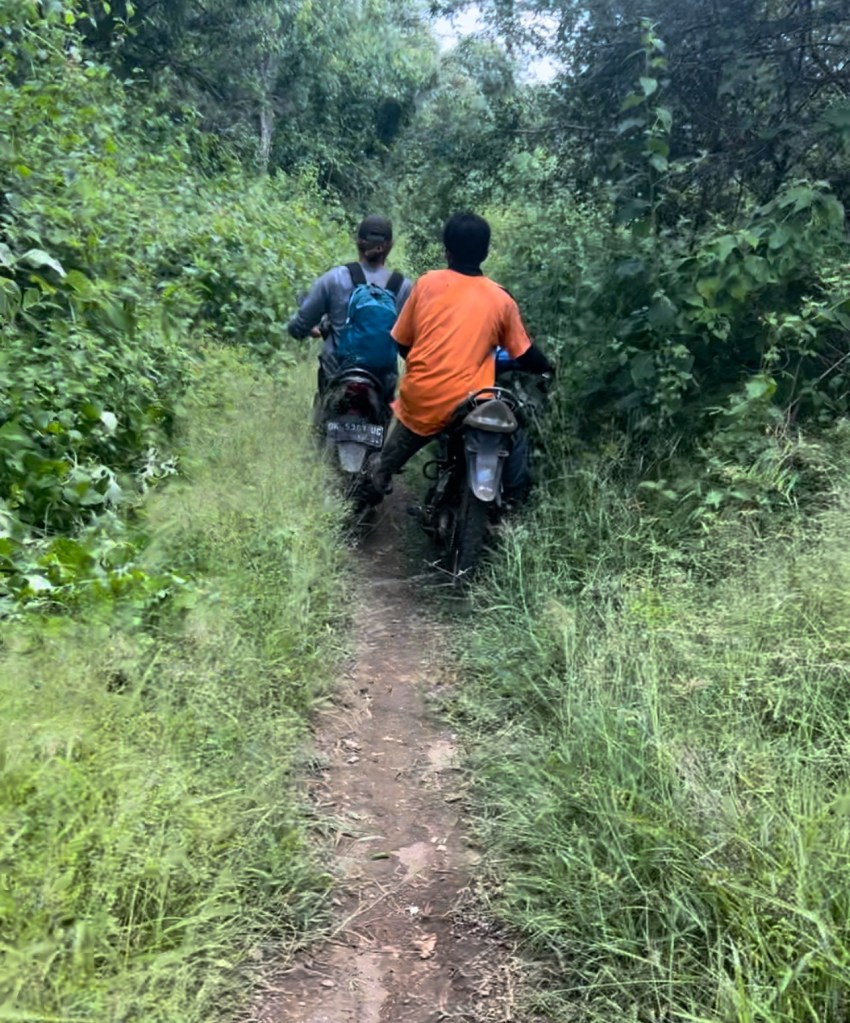
As we continued, our guide pressed that we must go on because we are “almost there,” to which we asked, “almost where,” because as we thought the trail was going to get better, it progressively got worse and worse, and steeper, and required us to drive deep into the forest at times and through taller grasses with less or no road. We decided it was time to turn back, but our guide continued to press us to continue, we said no and turned back, which is where Mat ran out of gas deep in the jungle. With monitor lizards crossing, high grasses and knowing we were surrounded by exciting reptiles and snakes, our guide offered to leave us while he went for gas, to which we replied no, and we finally made it out, unscathed, while he drove off to get us gas and we swam in the ocean.
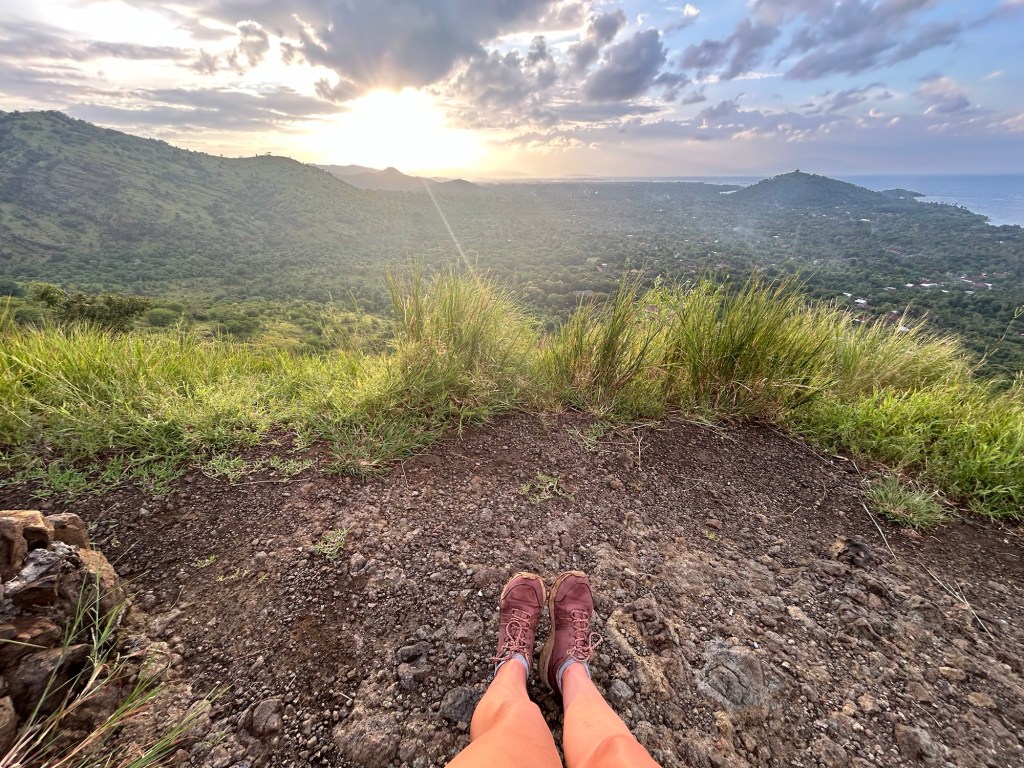
Afterward, we hiked up Bukit Kursi Temple for a beautiful sunset, making it a memorable day.
Moving to the eastern coast of Bali, in Tulamben, we rented a hotel directly on the water, which allowed us the opportunity to participate in our first real shore diving experience. We explored both shore and boat dives, diving on the famous USD Liberty wreck, where we saw our very first shark, a white-tip reef shark and electric clams. We were able to walk from the hotel, gear up and enter the water, which had a beautiful home reef, where we spotted several barracuda, eels, and a black-tip reef shark. Visibility varied, but it was still an incredible experience. We also snorkeled in Amed, encountering turtles and colorful fish, acquired many jellyfish stings and had an afternoon driving through torrential rain on scooter – what an adventure!
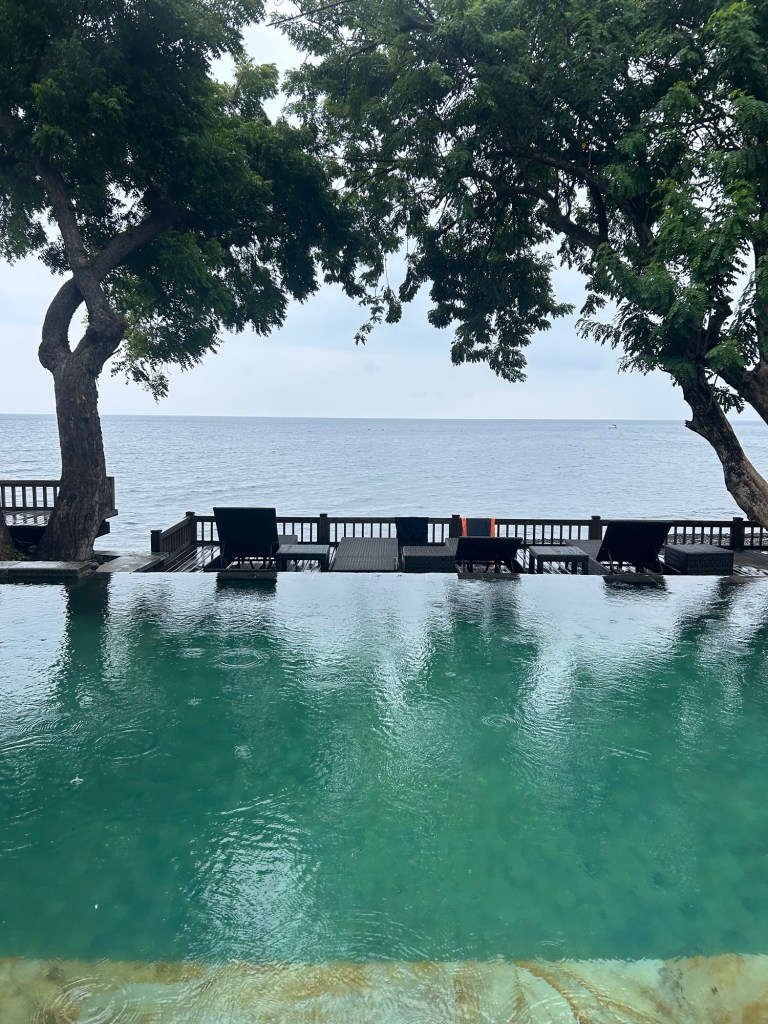
We finally made it to Denpasar, which we used as a hub to travel to the other islands we visited throughout our trip. While we didn’t spend much time exploring the city itself, it served as a convenient base for diving into the more remote and adventurous parts of Bali.
Flores — Komodo Currents & Dragons: Diving Deep in Flores
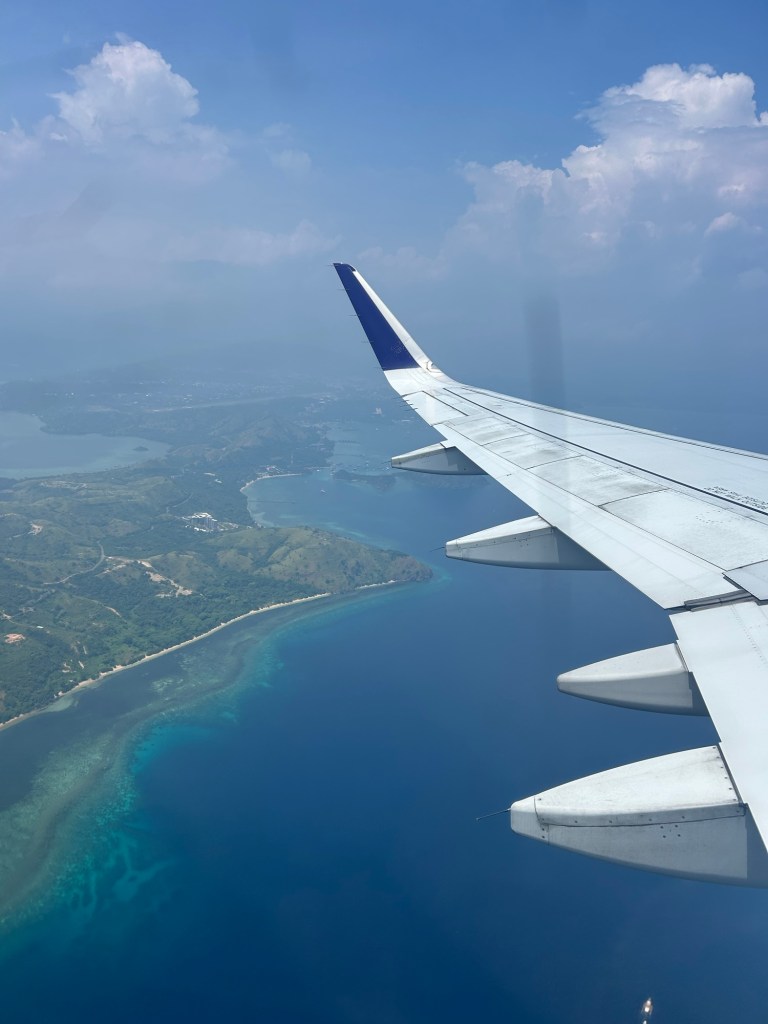
We left Bali the evening before Nyepi, the Balinese New Year and Day of Silence, when the entire island shuts down—airport closed, no lights, no traffic, no sound. It was the perfect time to slip away quietly and begin our next adventure. A short flight brought us to Labuan Bajo, a bustling little port town that serves as the gateway to Komodo National Park.
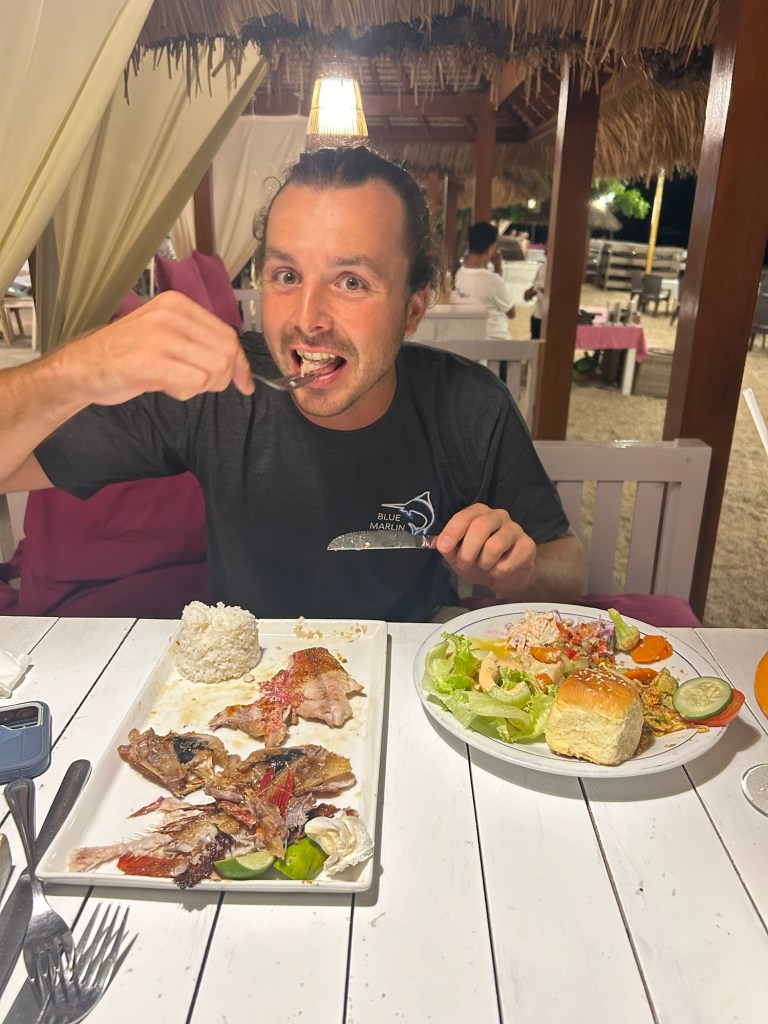
We had signed up for a 4-day/3-night liveaboard with Blue Marlin Komodo, where we were scheduled to dive sites in the central and northern regions of the park.
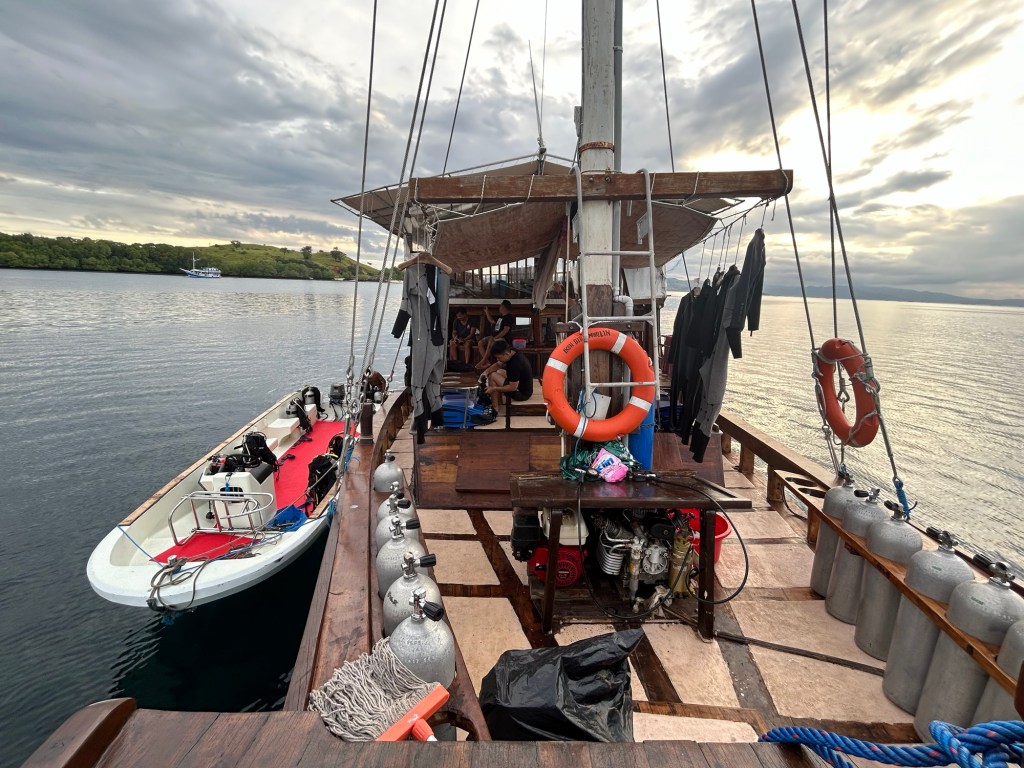
We were aware divers from around the world come to Komodo to experience the current. Unbeknownst to us, we had scheduled our first liveaboard during a half moon, a lunar phase notorious for intensifying currents. Komodo sits between the Indian and Pacific Oceans, acting like a massive funnel that channels tidal flows between the two. This means wild conditions underwater—whirlpool-like flows, downcurrents, upcurrents, and drift dives that shoot you through coral canyons like an underwater roller coaster.
The currents tested us right away on our first liveaboard. Here is a summary and some highlights from trip 1 in northern & central Komodo:
Tatawa Besar was one of the wildest dives of them all. A full-on drift dive where currents changed directions mid-dive, visibility was low, and we were holding onto rocks as the surge tried to rip us away. At one point, Mat was dangling from our guide Harold and fellow dive partner Malow’s legs as they anchored themselves to the reef. Even the other guide, who’d logged over 1600 dives, said he’d never seen anything like it.
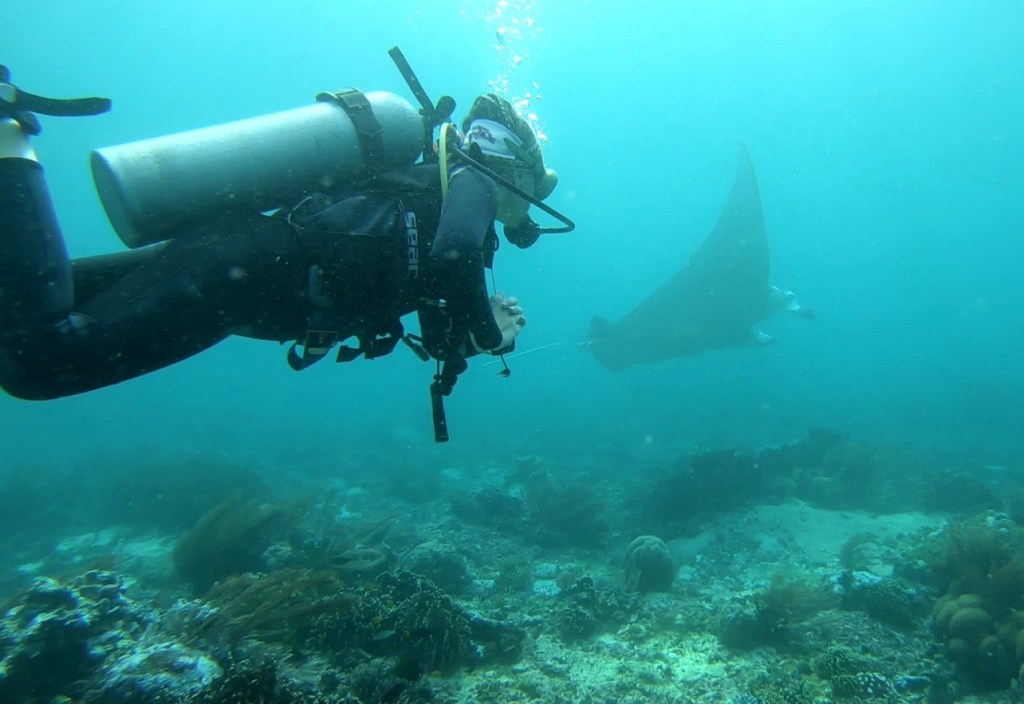
Mawan was magical in a different way. We dropped into the water and almost immediately met manta rays, massive and elegant, gliding overhead and circling us while we lay in the sand, trying to watch them as we navigated the current. One moment we were in awe, the next being pulled by a new current—only to spot more rays, and sharks.
Siaba Kecil delivered our first real taste of Komodo’s notorious drift dives, flying along a reef wall like underwater skydivers. We saw turtles, fought currents, and experienced the beautiful chaos of Komodo flow.
The Cauldron (a.k.a. Shotgun) was the ultimate current experience. After an above water briefing of what to expect, we did a quick descent, and immediately the visibility was poor. We were given the symbol we were entering the cauldron, where we were pushed upwards by the current, and the goal here is to choose a rock to hold onto to, to get the full experience of the current. As we elevated, we each were able to grab hold of a rock, and let the intense current coming into the channel hit us. Holding onto rocks while the current hit, my mask filled with water. We then all released and continued the dive to find the other group who had been separated from their guide. We made it through, saw rays and white-tip sharks, and felt like we’d passed some kind of diver rite of passage.
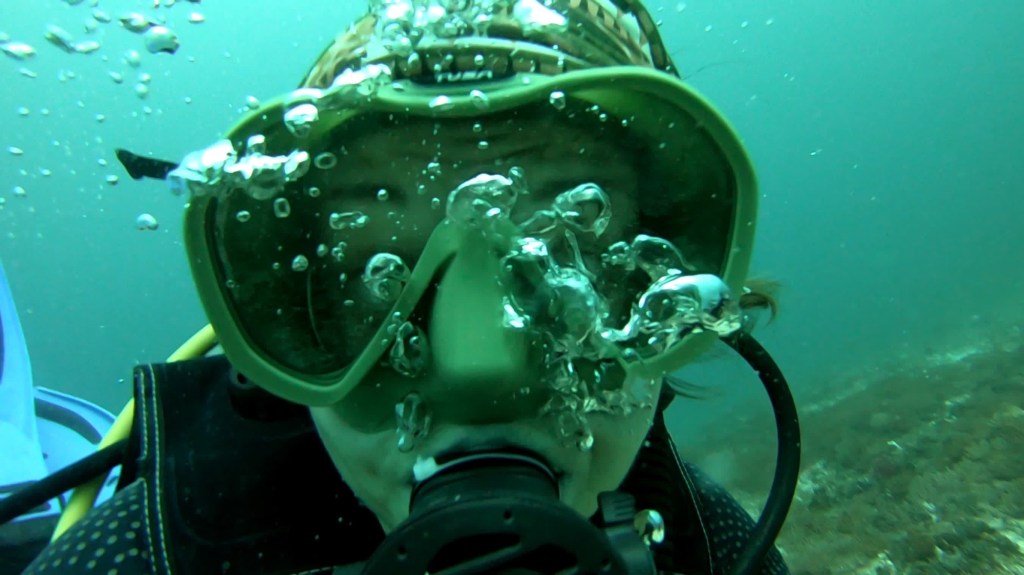
Crystal Rock, a pinnacle dive with a ripping current, was the most technically challenging. We had to climb along rock walls with our hands to reach a spot filled with big fish action—giant trevally, tuna, reef sharks swimming around us as we sat in the middle—and ended it with a safety stop surrounded by vibrant coral and a school of jackfish.
Every dive was unique, and every dive tested us.
So what did we do after surviving it all? We signed up for a second 4-day/3-night trip.
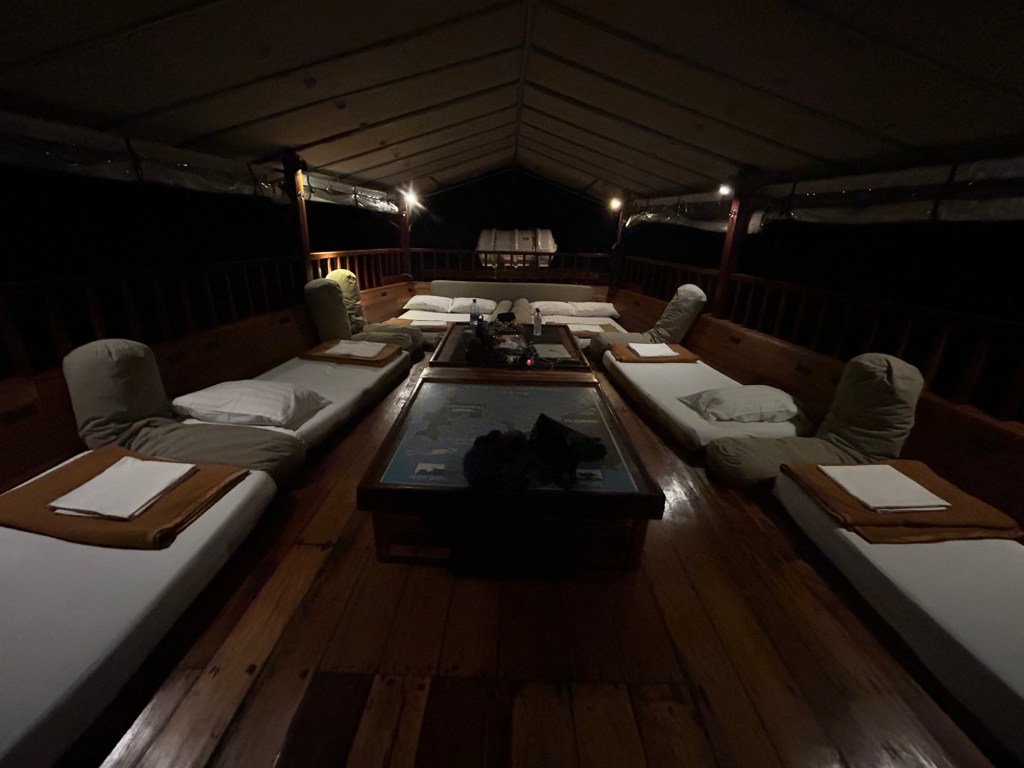
This time, we explored Southern Komodo, and the ocean offered us a completely different side of herself: calm, clear, and cool. The visibility was amazing, currents were nearly nonexistent, and we had two more unforgettable manta dives in much colder waters (thanks to the Indian Ocean influence). We revisited several of the same sites and experienced them in a totally new way. Same dive site, completely different dive.
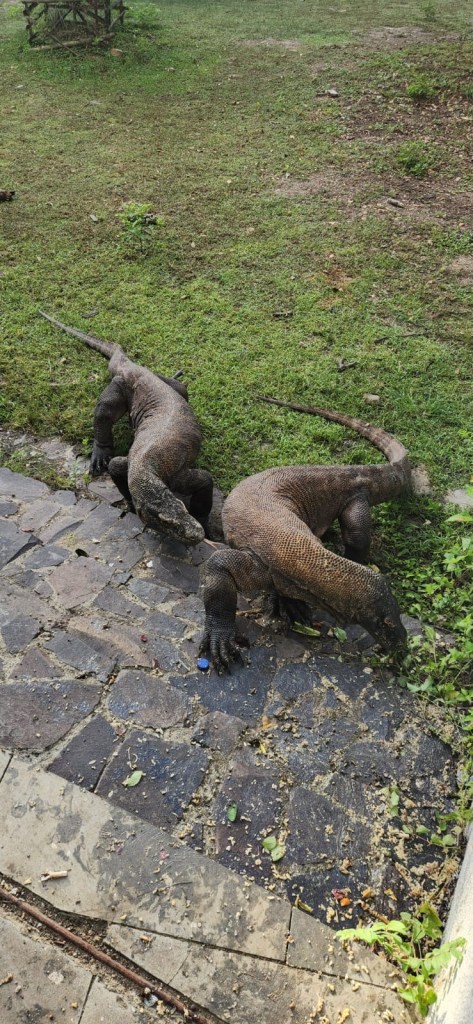
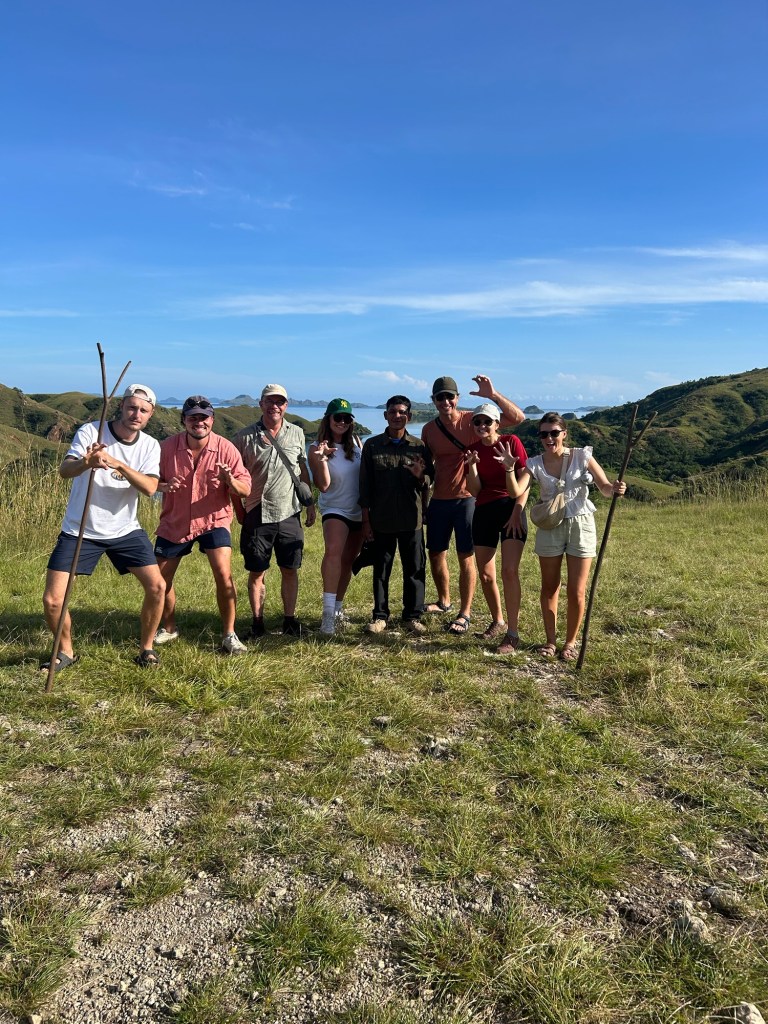
In between dives, we also explored above the surface: We trekked through Rinca Island twice to see Komodo dragons—the real-life dinosaurs that rule the region. On our second visit, they were actively feeding, giving us an up-close and thrilling look at their raw power. We also hiked to a hilltop for a panoramic view of the island.
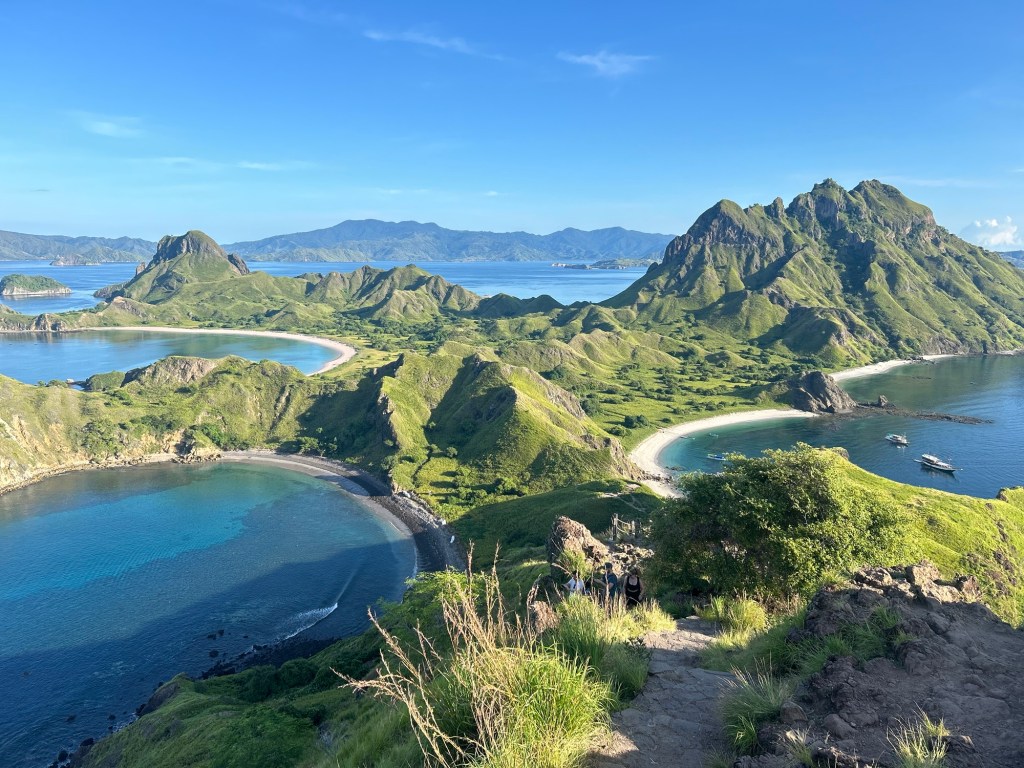
We also hiked the iconic Padar Island, a dream hike for us. From the top, the famous tricolor beaches (white, black, and pink sand) stretched out beneath us like something from a post card.
Gili Air — Our Time on Gili Air: Slow Island Living & More Underwater Exploration
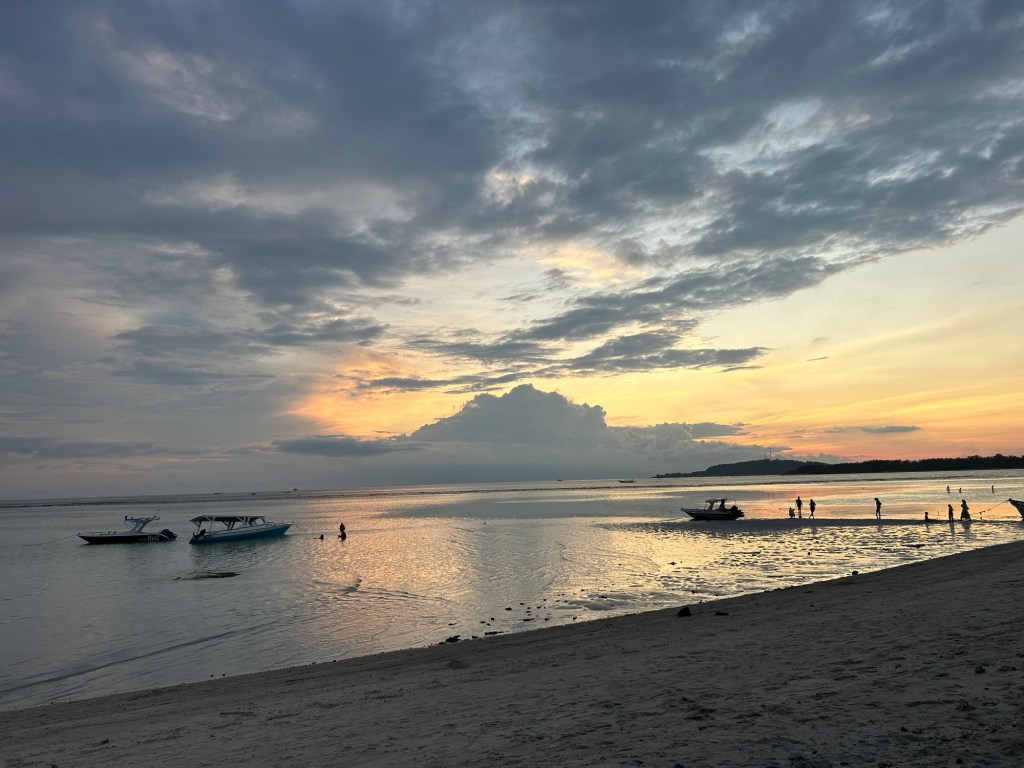
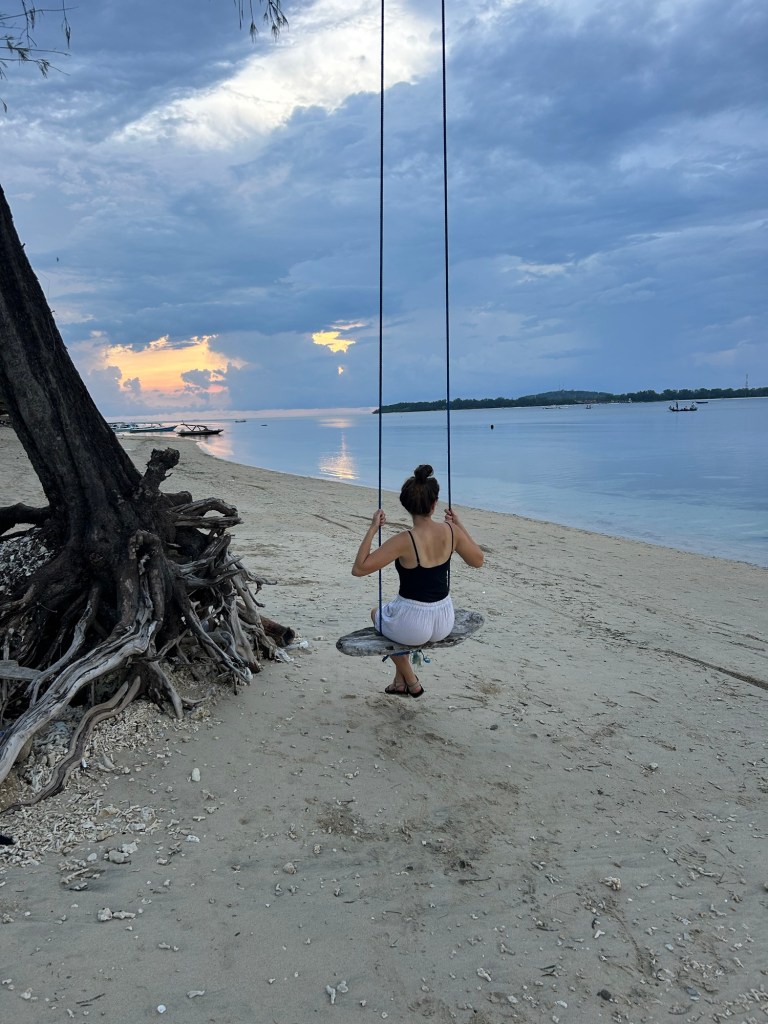
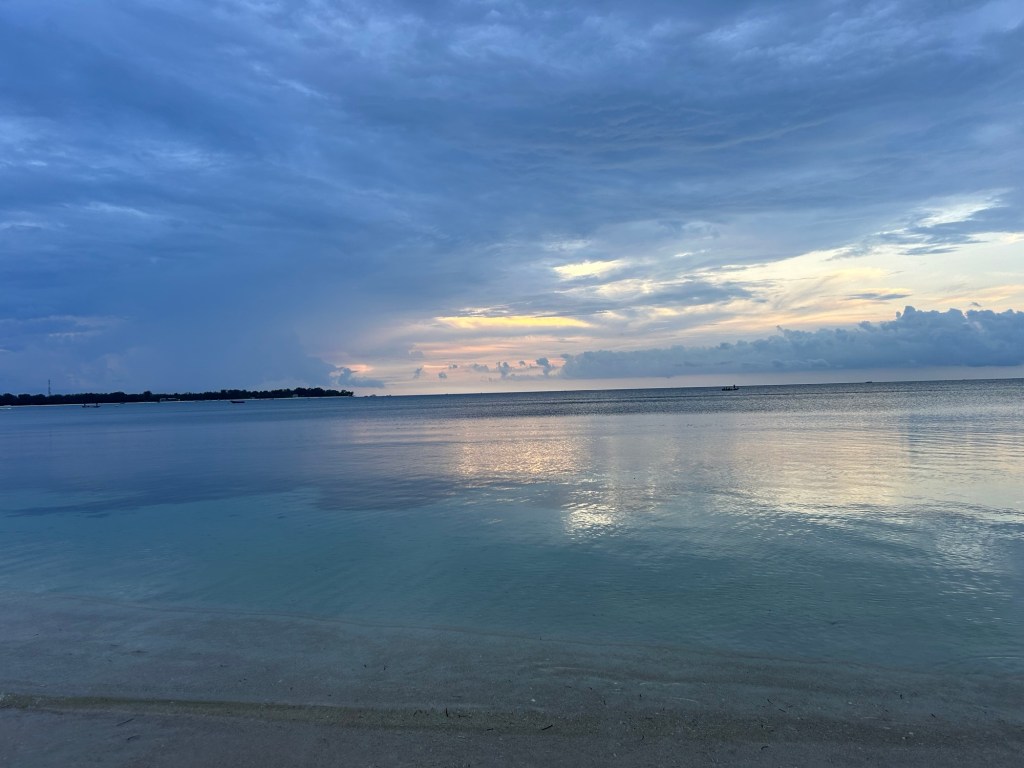
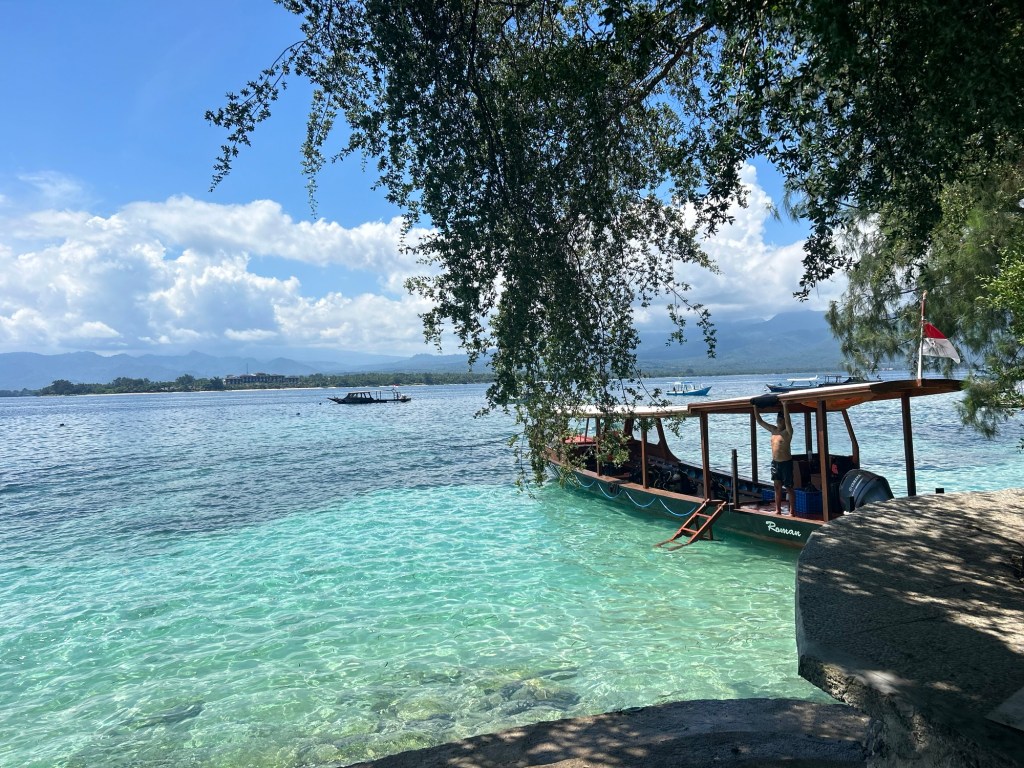
Gili Air was the perfect pause in our journey—a place where time slowed down, the roads were sandy, and barefoot mornings blended into breezy evenings. The island offered a quiet charm compared to its louder neighbor, Gili T, but still packed in plenty of memorable experiences.
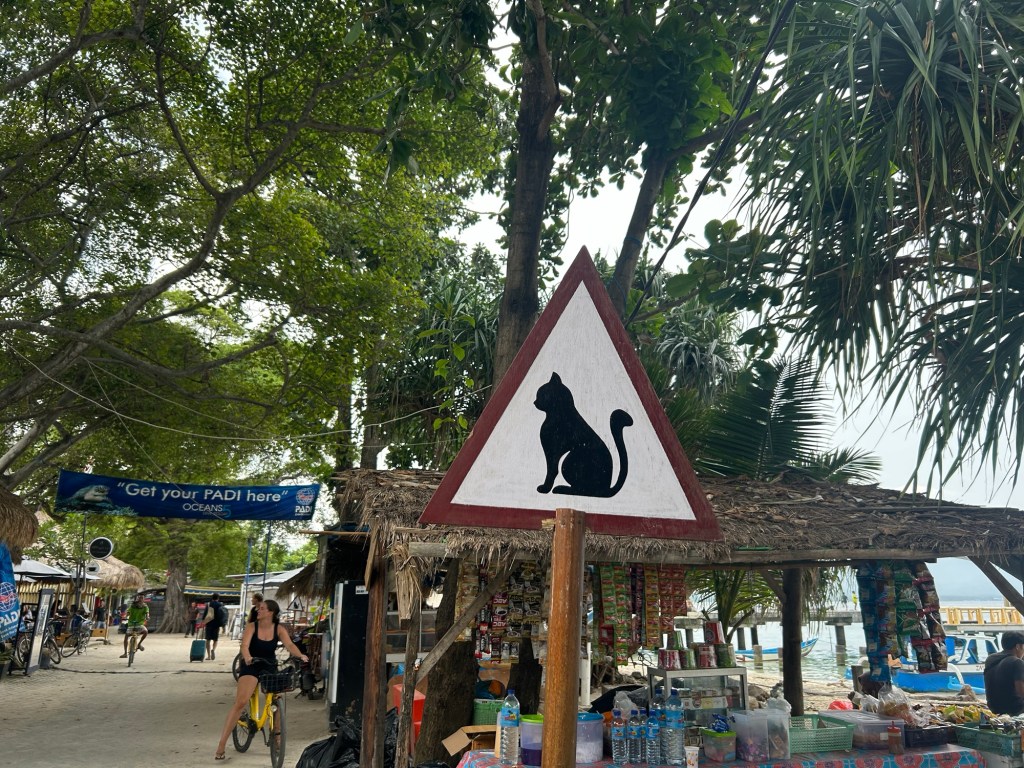
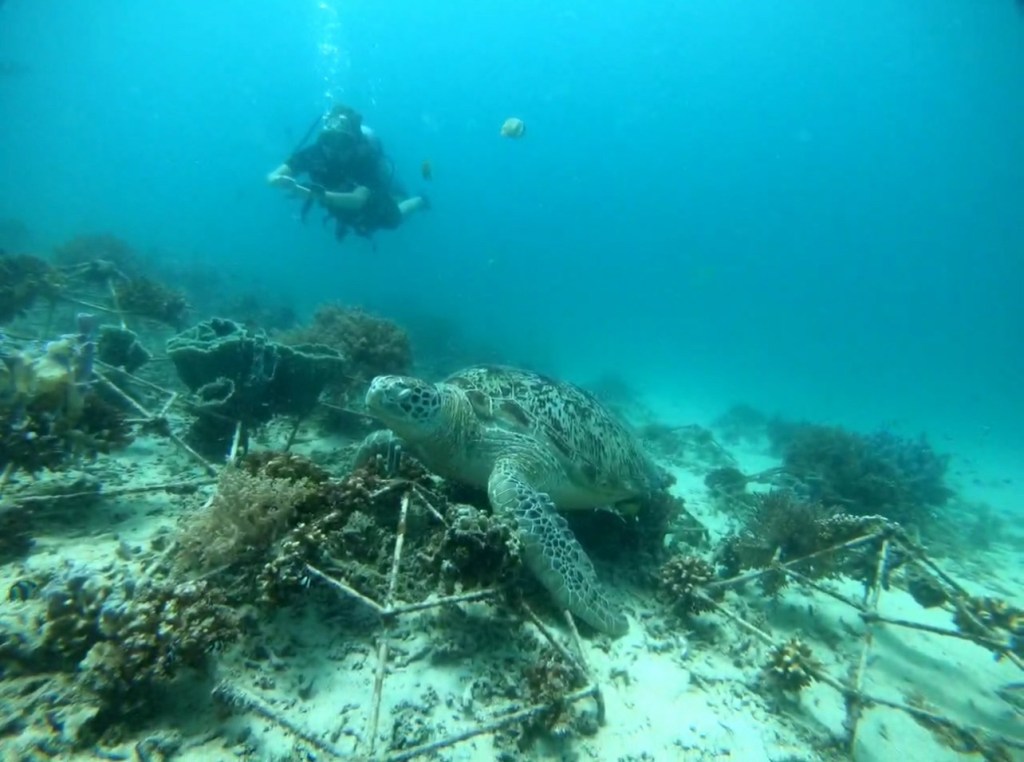
We spent our days diving vibrant reefs and swimming with white-tip sharks and sea turtles, wandering the entire island on foot (multiple times), and relaxing on beaches where sea snakes cruised the shoreline. The diving was beautiful, and we saw everything from ghost pipefish to the largest sea turtle we’ve ever encountered.
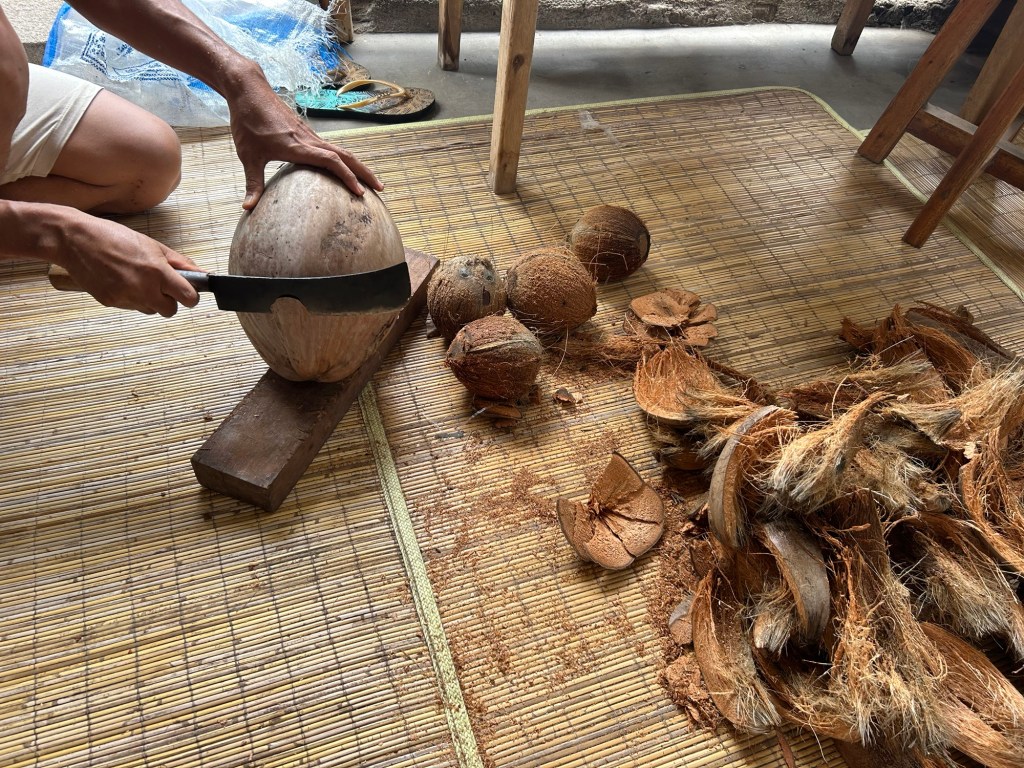
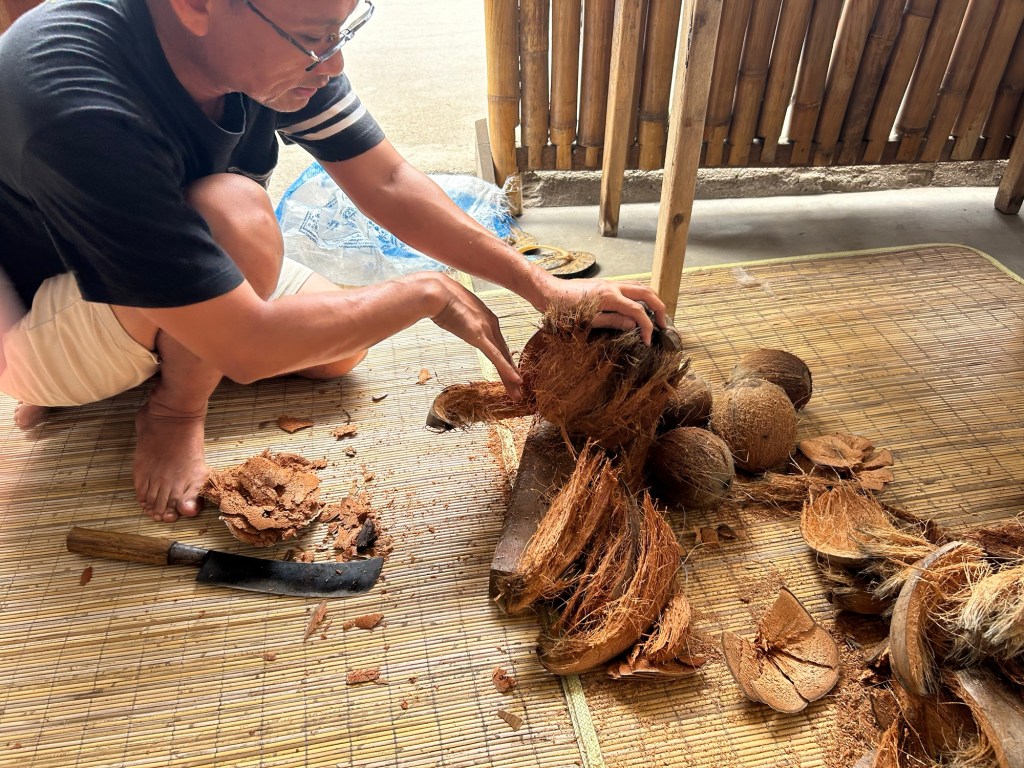
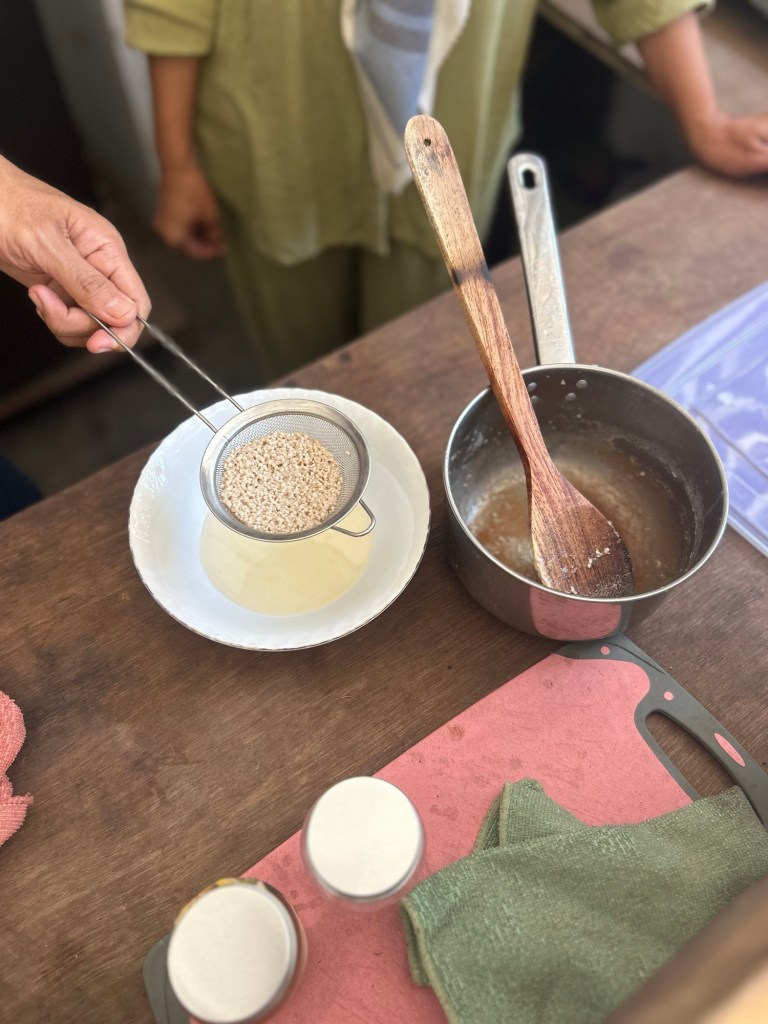
One day Mat went diving, and I participated in a coconut oil workshop, learning how to make coconut oil from scratch. This was an extensive process, and I now recognize why coconut oil is so expensive. I was shown by a local family using traditional methods and learned the older the coconut the better for making oil. I watched the coconut being husked, and went through each step until the final jarring step. It was incredible and I felt very fortunate to participate.
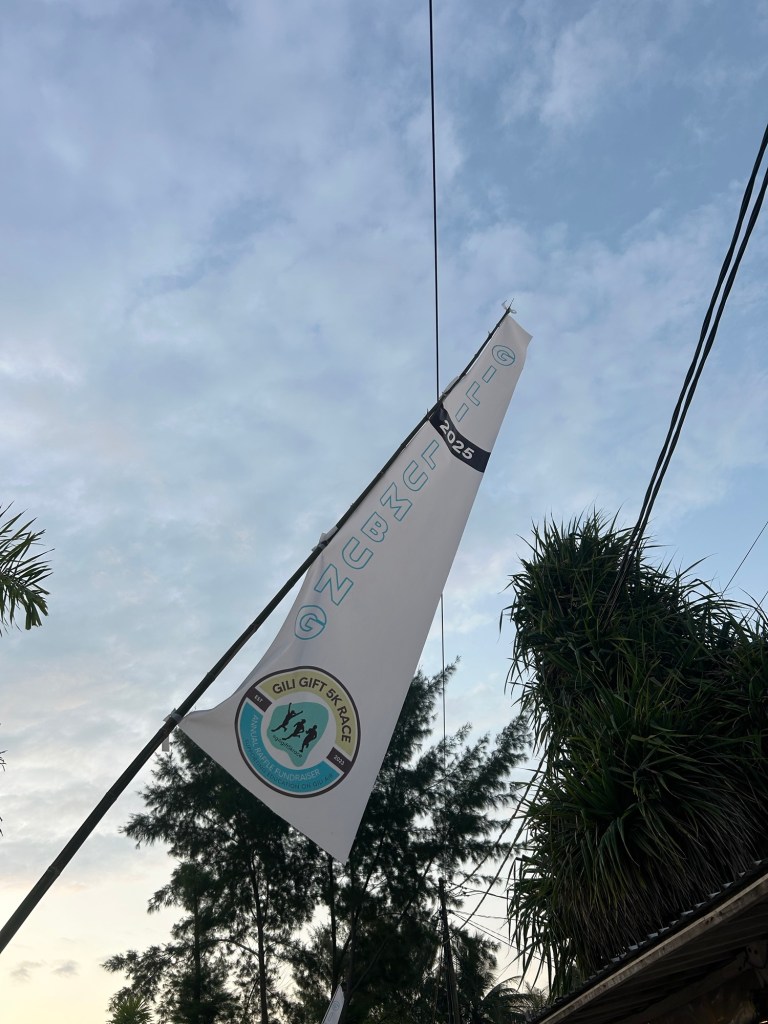
On our final evening, I found out about a 5K charity race around the island, and joined it. It was a lot of fun running through sand and alongside a great group of people.
Gili Air gave us a peaceful break — ideal for recharging before taking on the challenge of Mount Rinjani.
Lombok — Climbing Mount Rinjani: Our Final Mountain Summit in Indonesia
After a slow final morning on Gili Air, we boarded a ferry to Lombok and met the team who would guide us on the four-day trek climbing Mt. Rinjani.
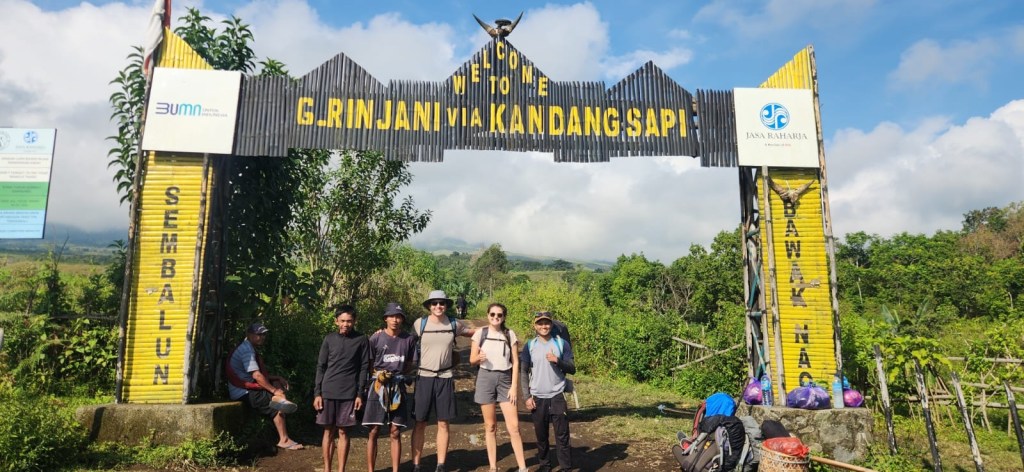
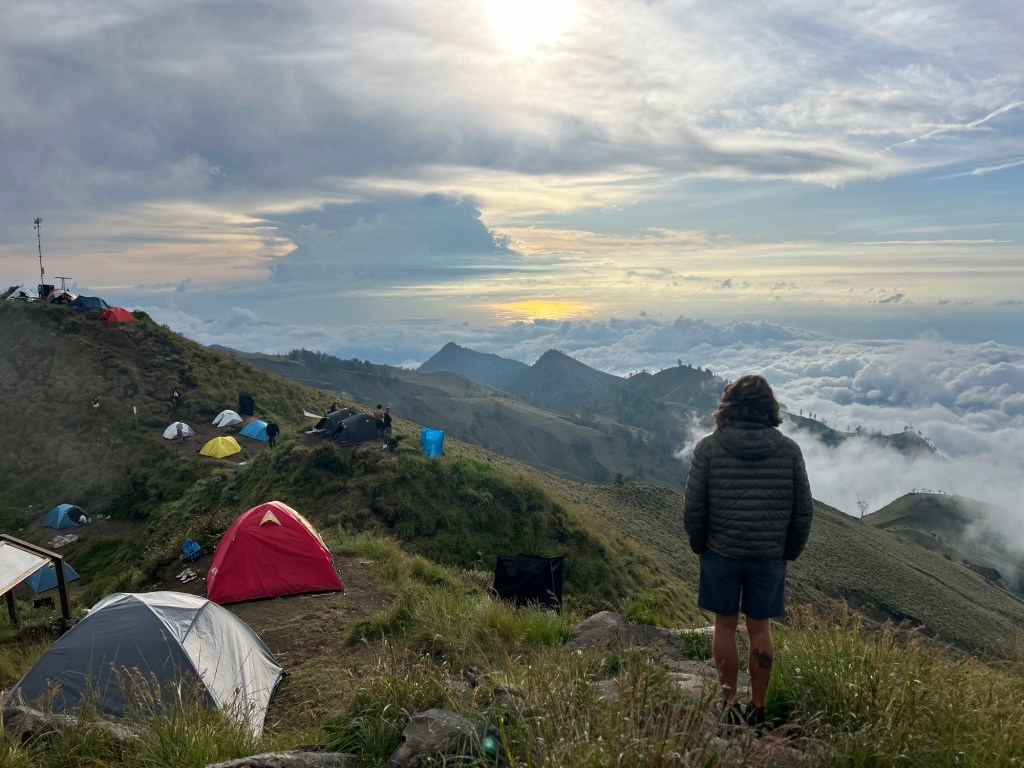
The Rinjani hike started at Sembalun Gate and quickly proved to be no easy feat. We trekked through grassy fields, forested paths, and monkey-dotted ridgelines, gradually climbing from 1,156 to 2,639 meters on day one. After a long, steep push—and a sudden thunderstorm—we reached the crater rim, soaked but feeling good! That night, we camped above the clouds, preparing for a pre-dawn summit attempt.
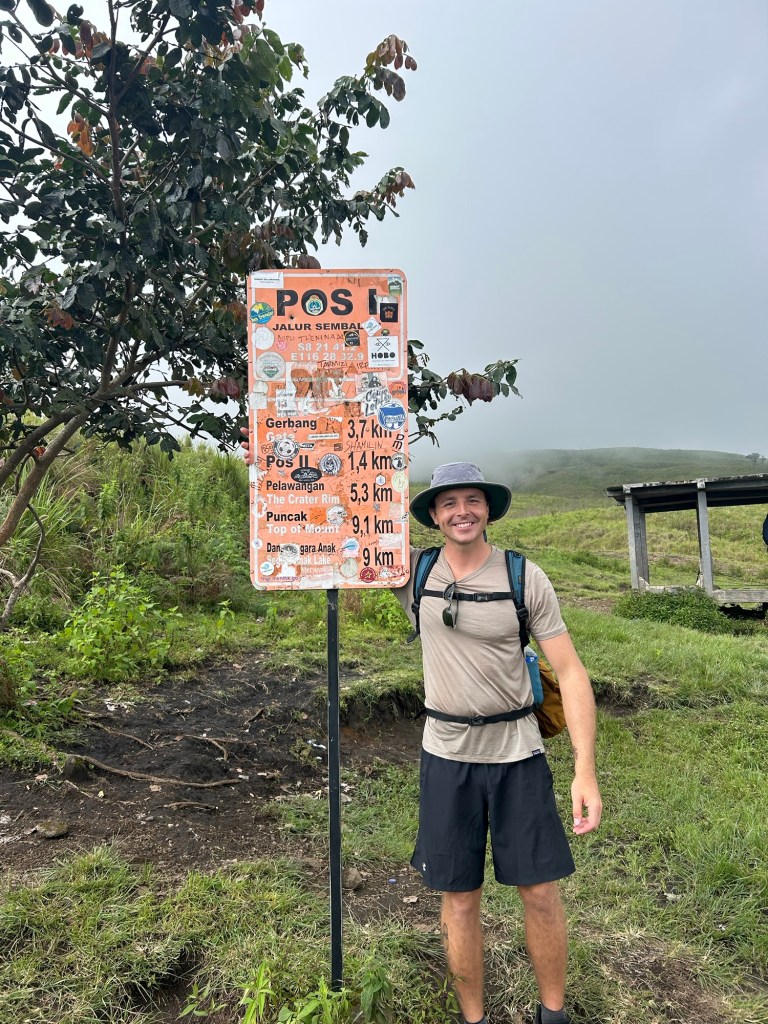
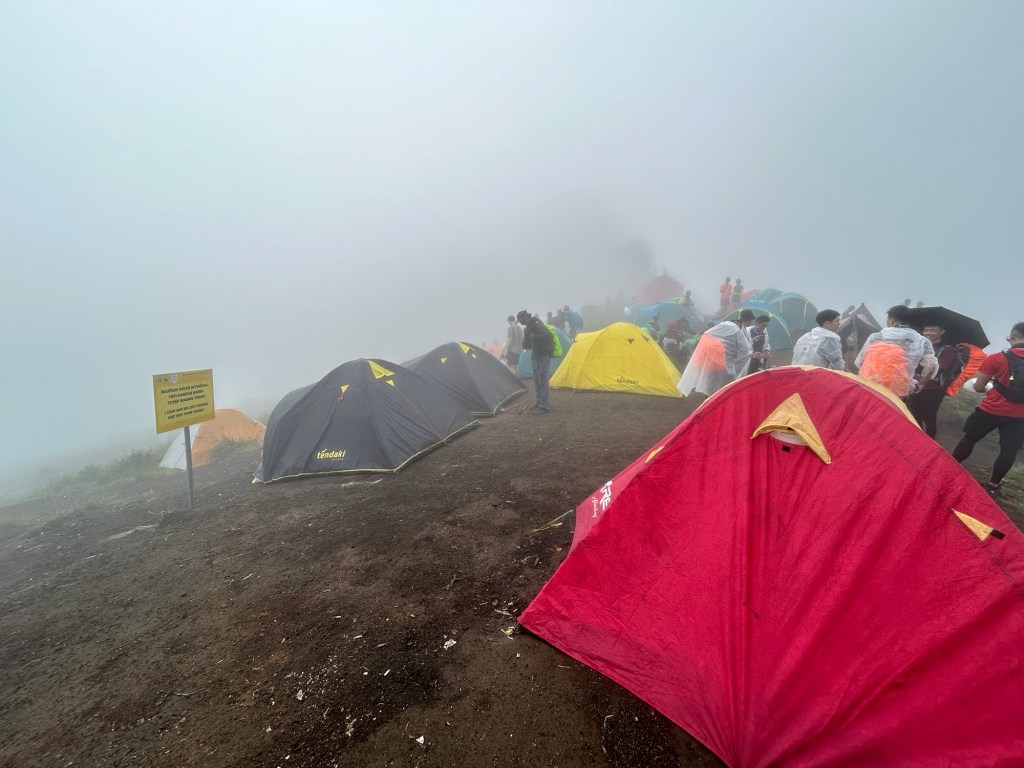
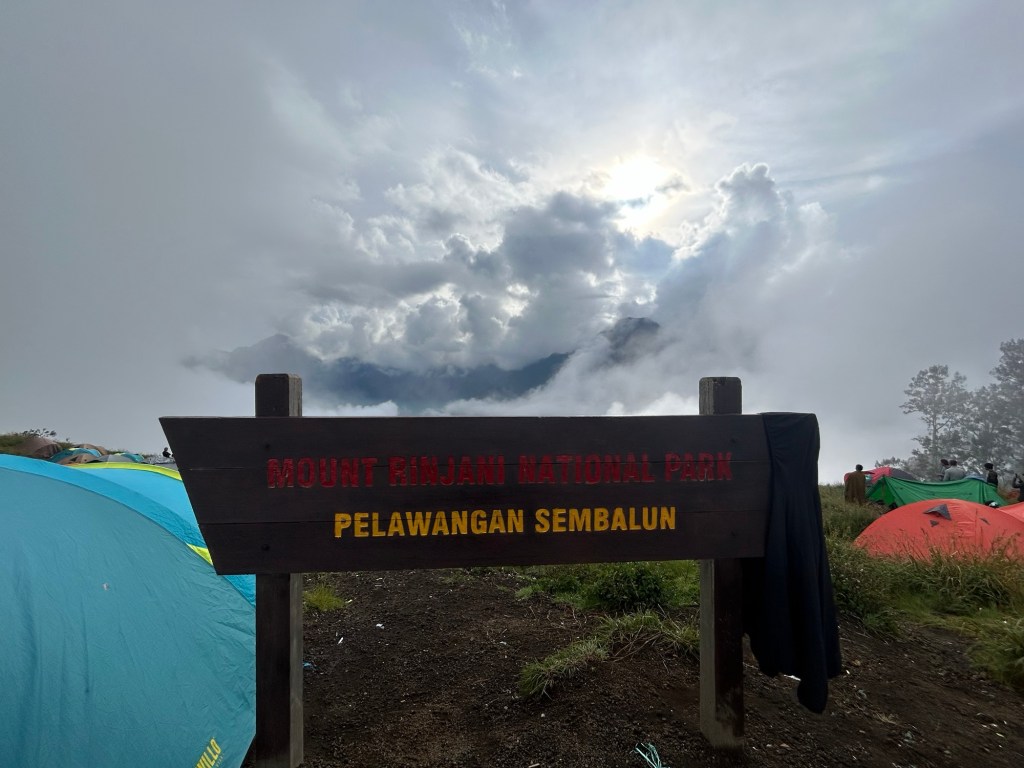
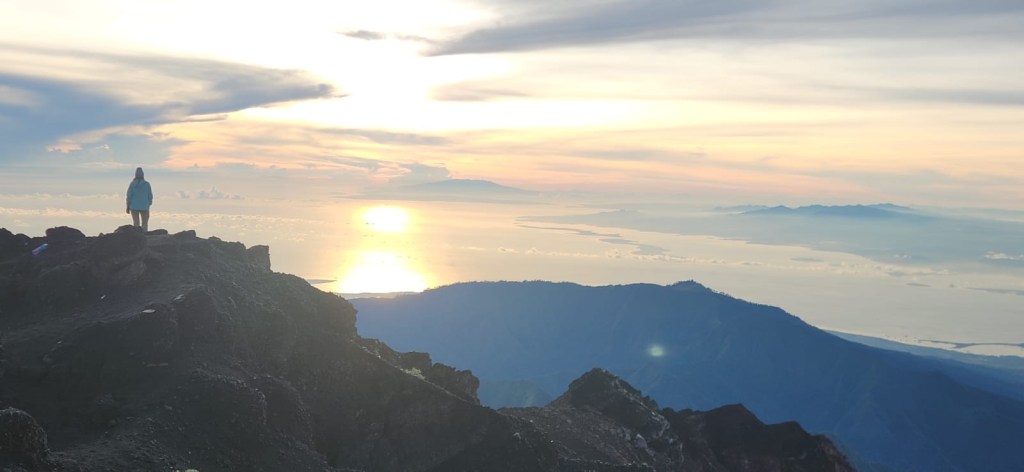
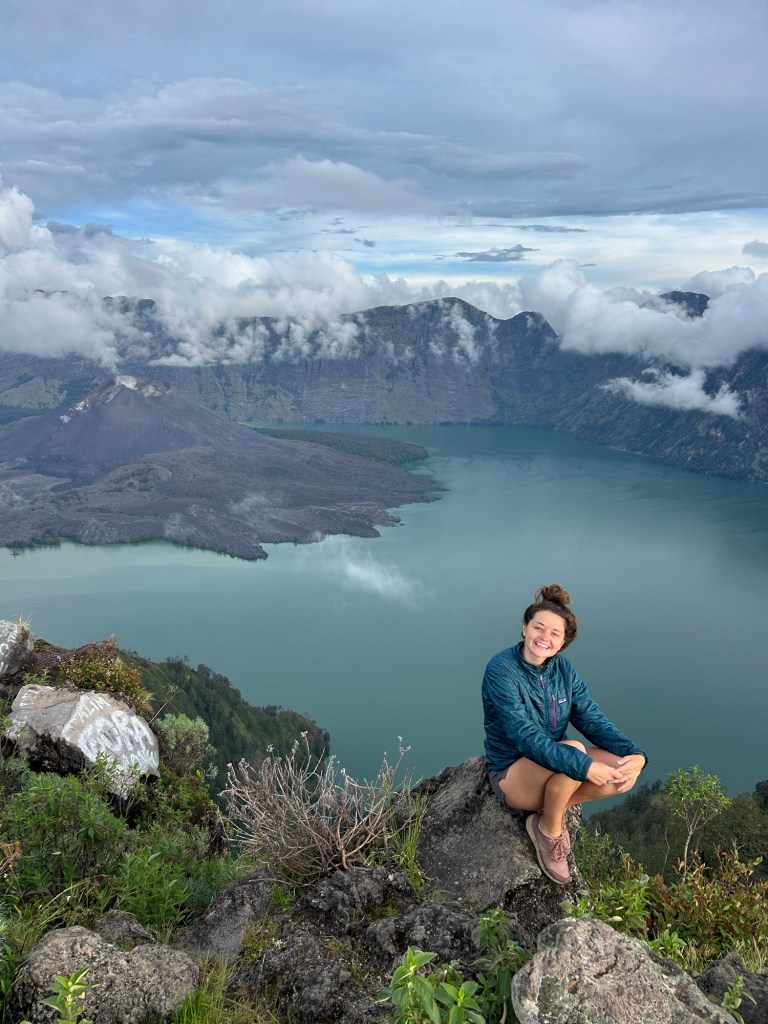
Summit day began at 2:30 AM. In darkness and guided by headlamp. The climb started on a sandy volcanic ash hill, interwoven with shrubs and trees. We made it to the first ridge, where we continued onwards, and the hike progressively got steeper as we neared the summit. The final push was the hardest of the entire hike, as we climbed the final 1,100 meters to the peak through steep volcanic sand. It was tough, but we made it just in time to watch the sunrise from 3,726 meters above sea level—an unforgettable 360° view of Lombok, the Gili Islands, Bali, and the crater lake below.
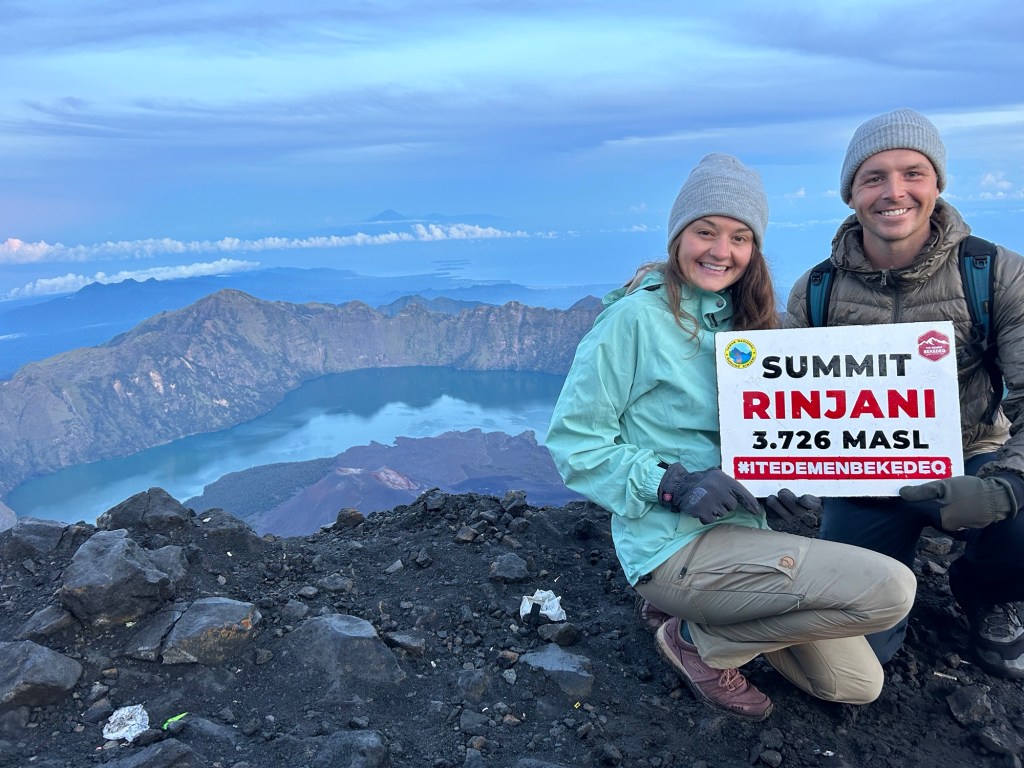
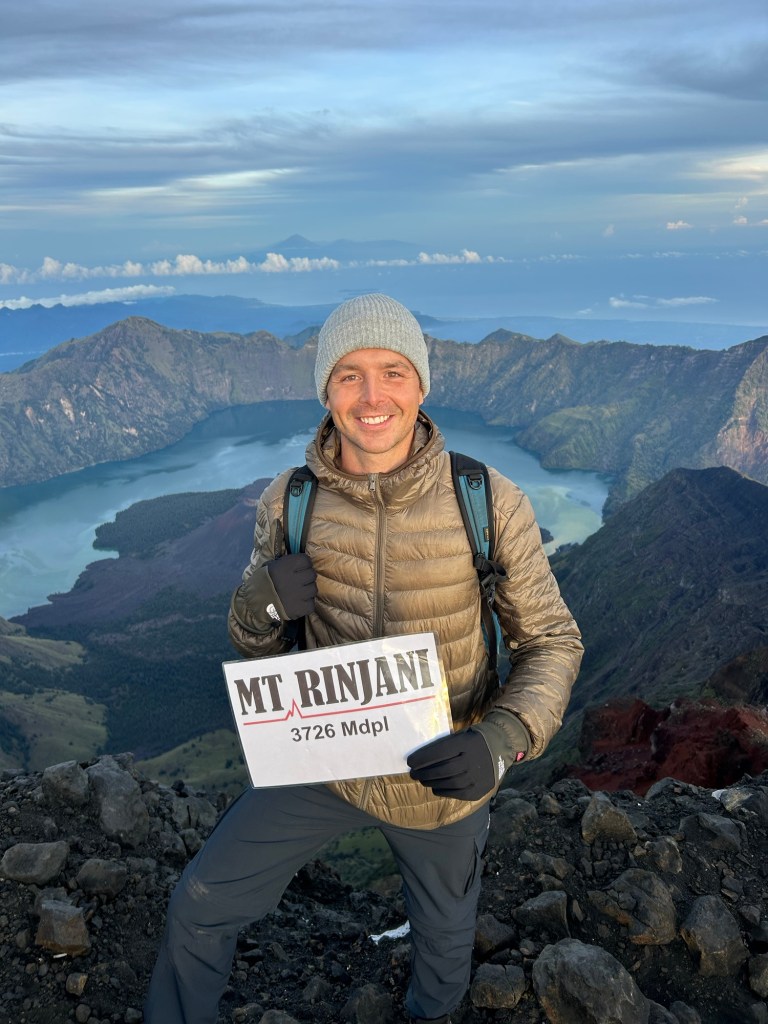
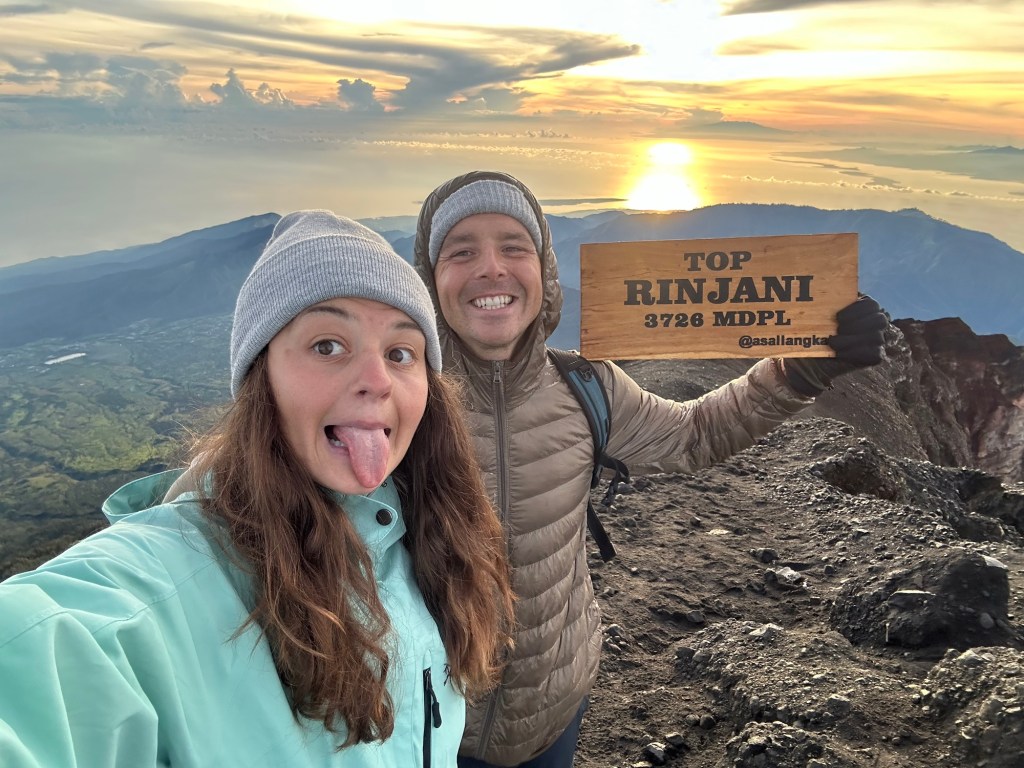
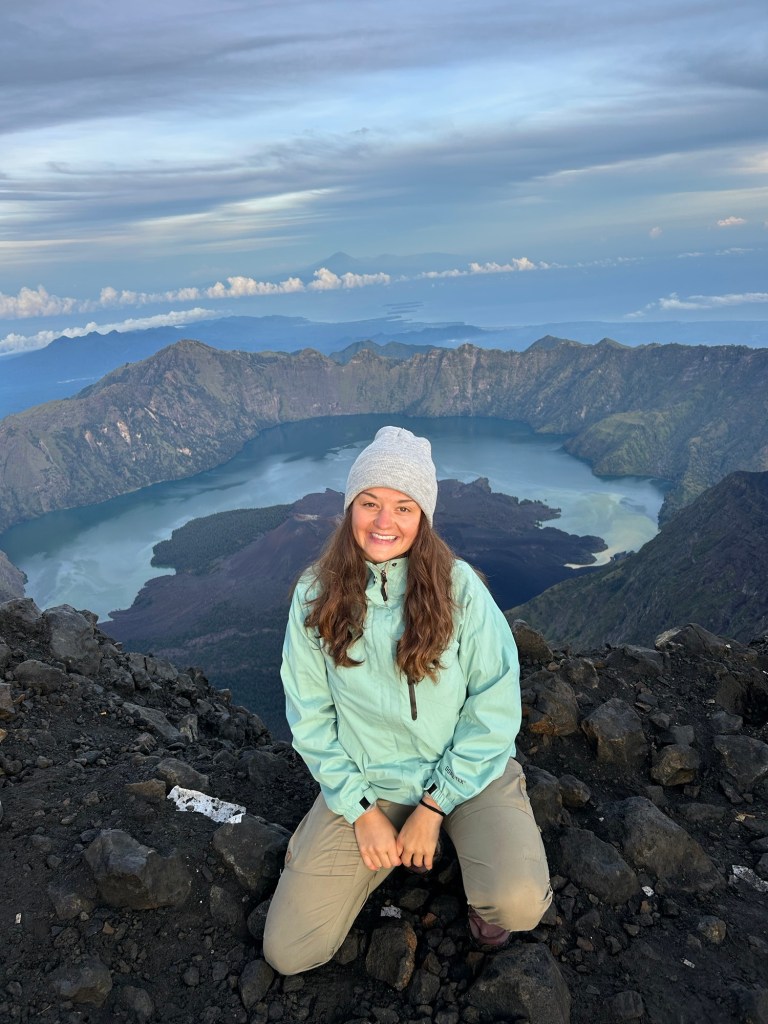
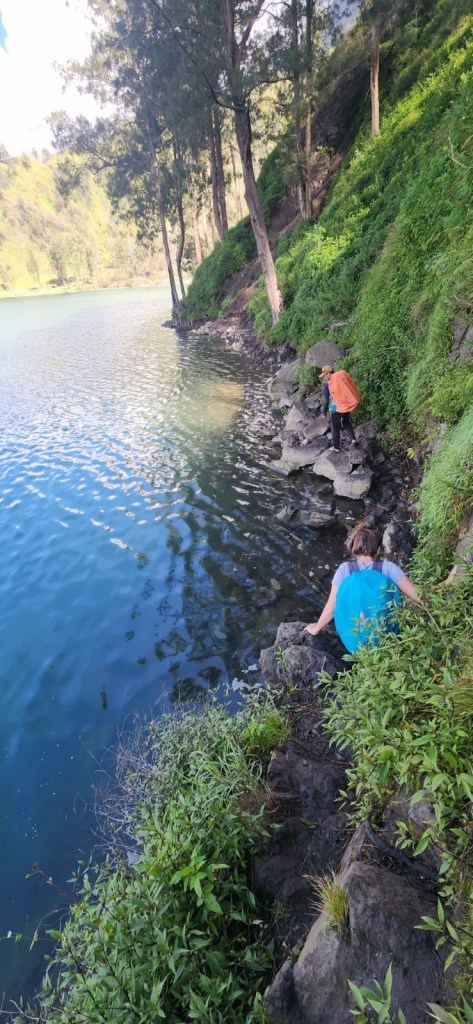
From there, we descended to Segara Anak, the crater lake. After a very long day hiking close to 15km, we went for a quick dip in the “hot spring” and finished off the night by watching locals fish.
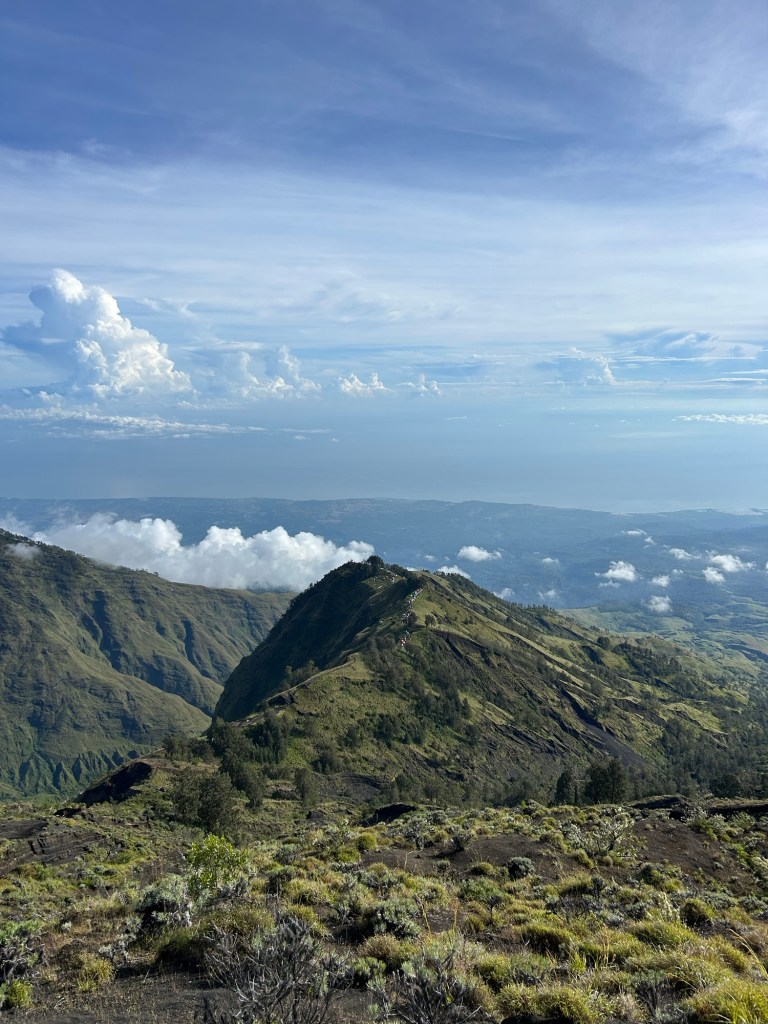
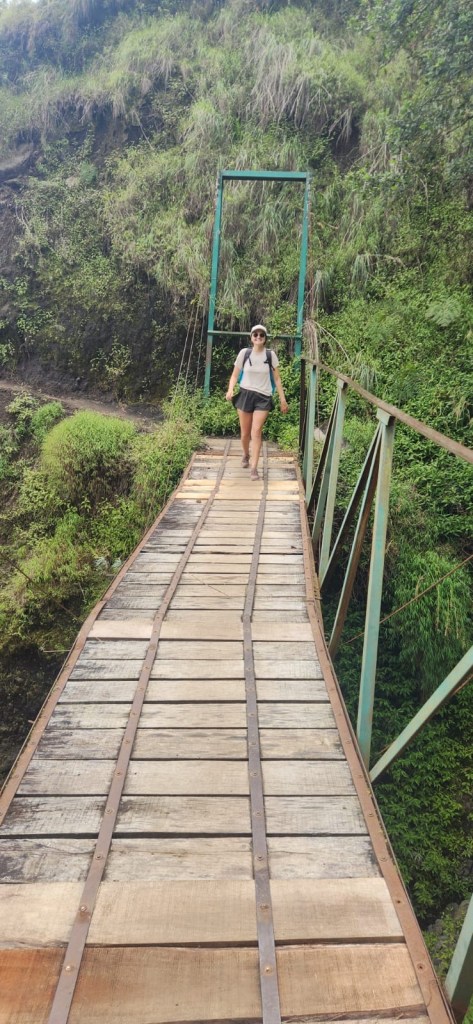
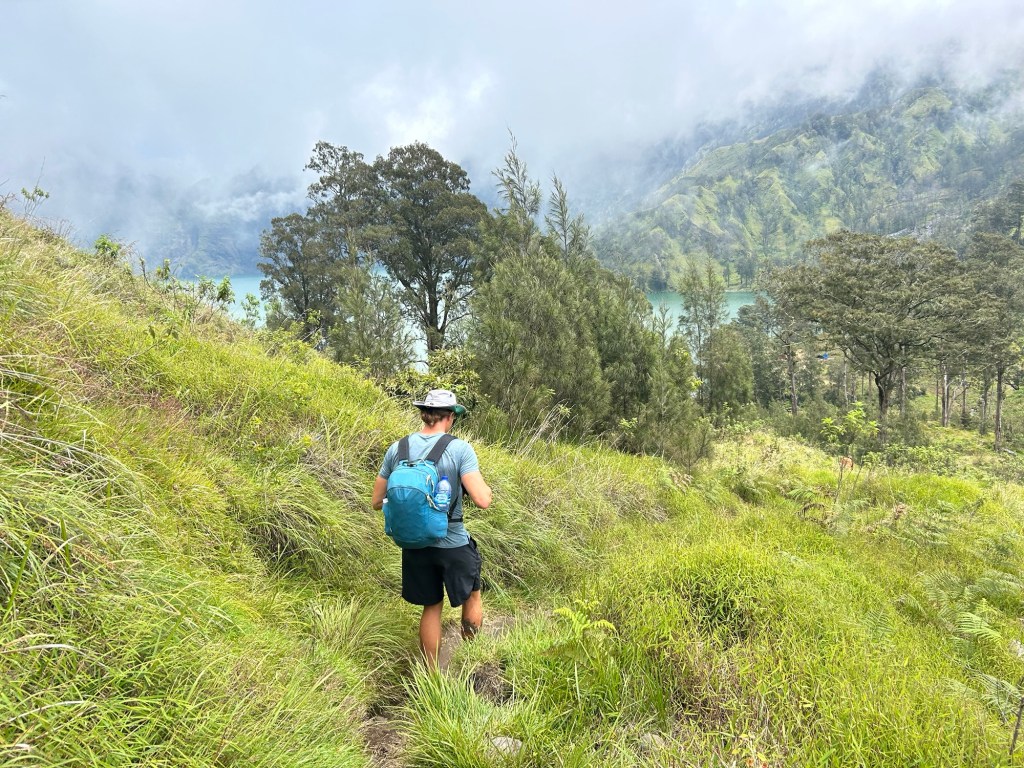
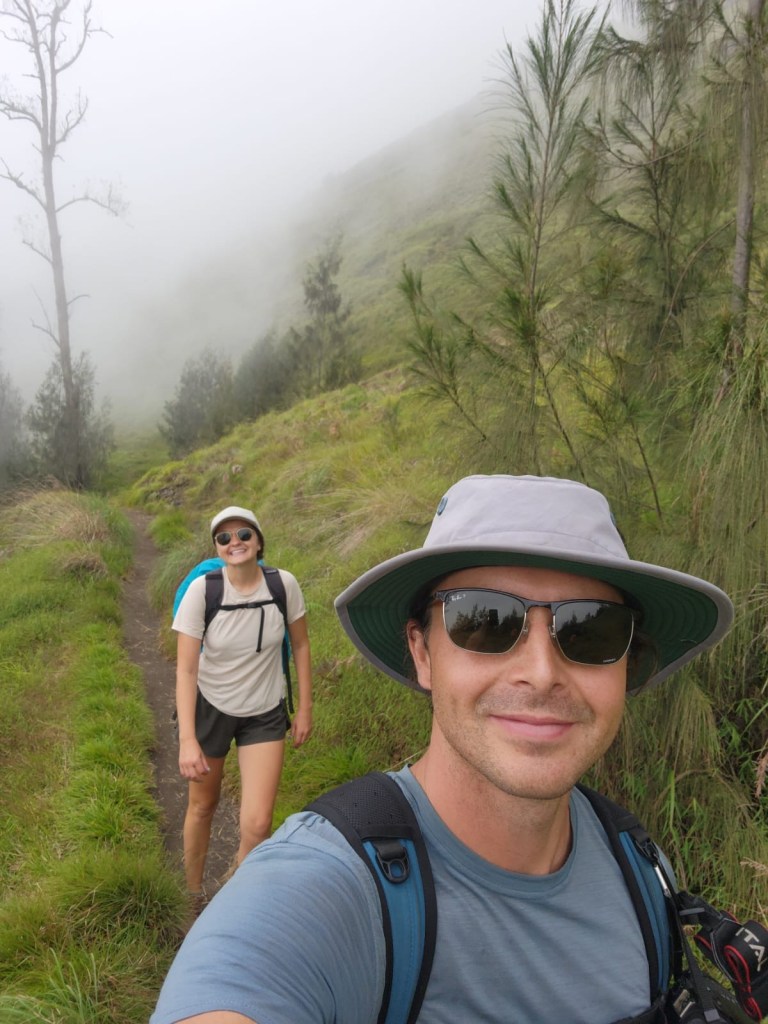
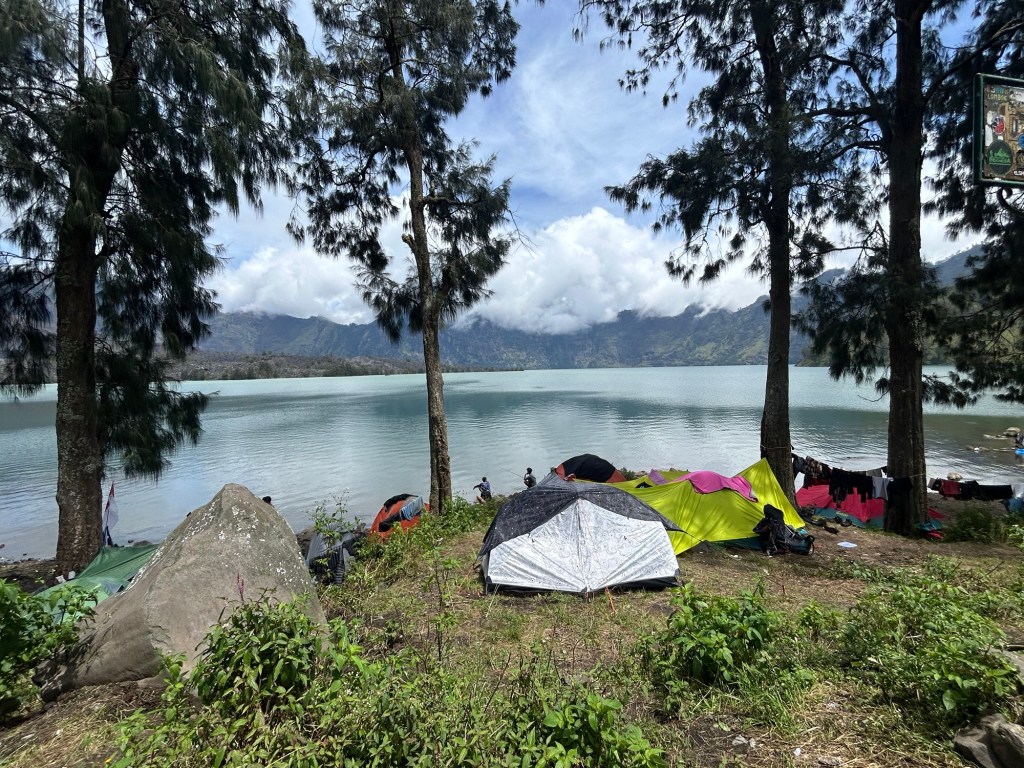
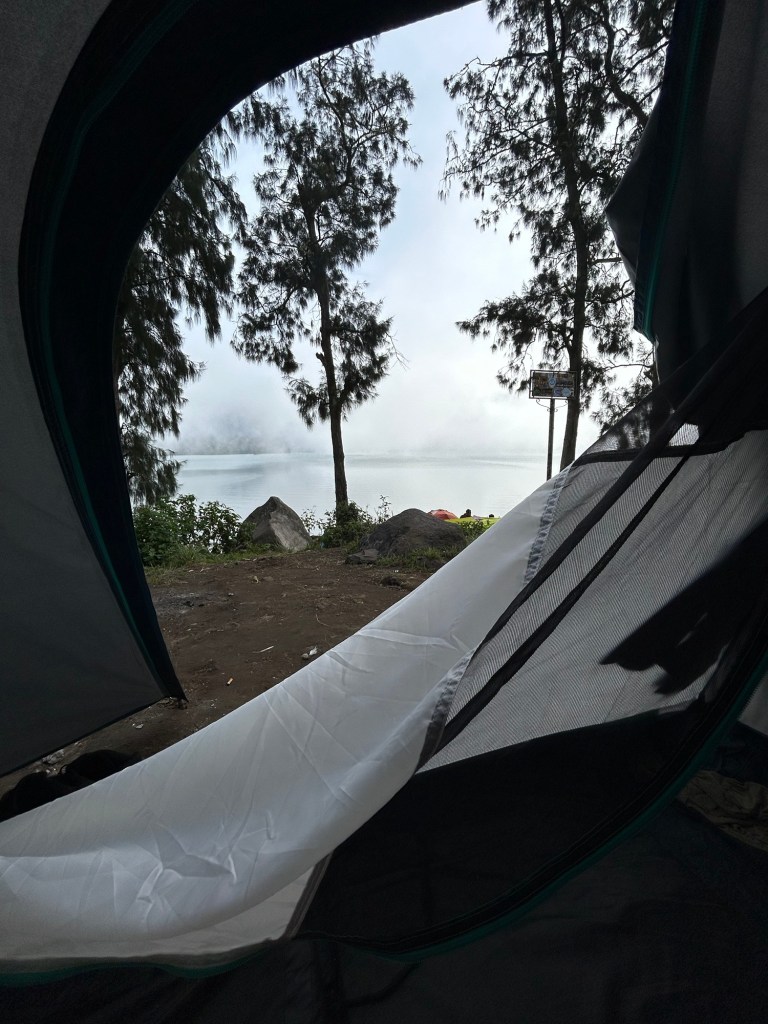
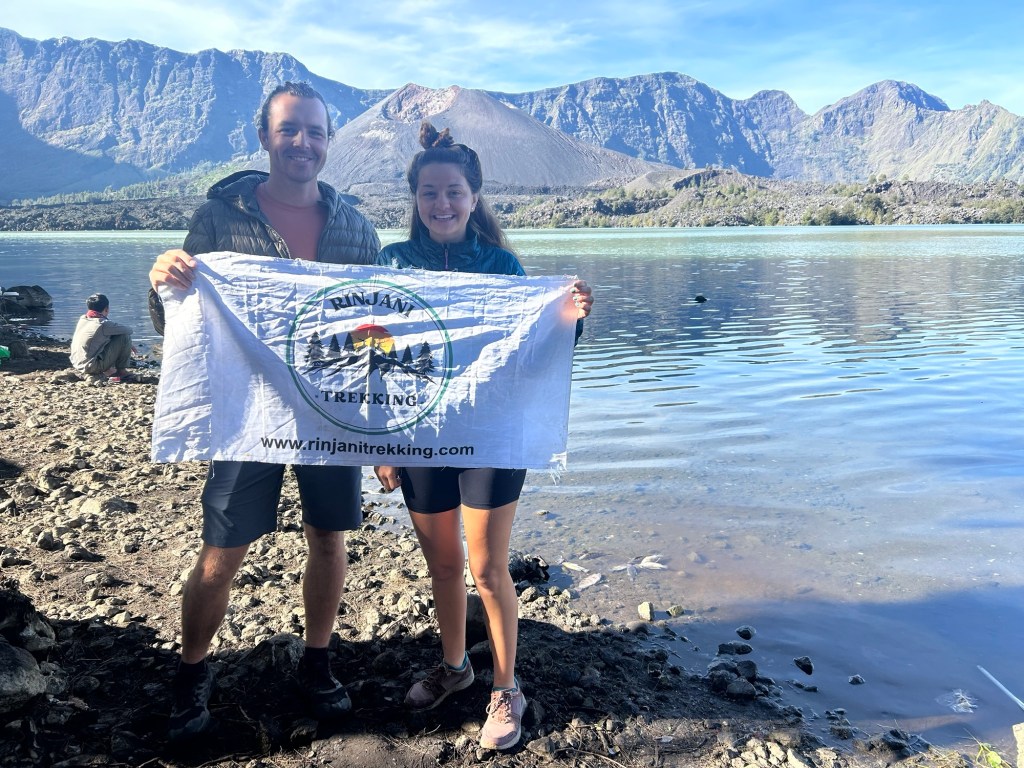
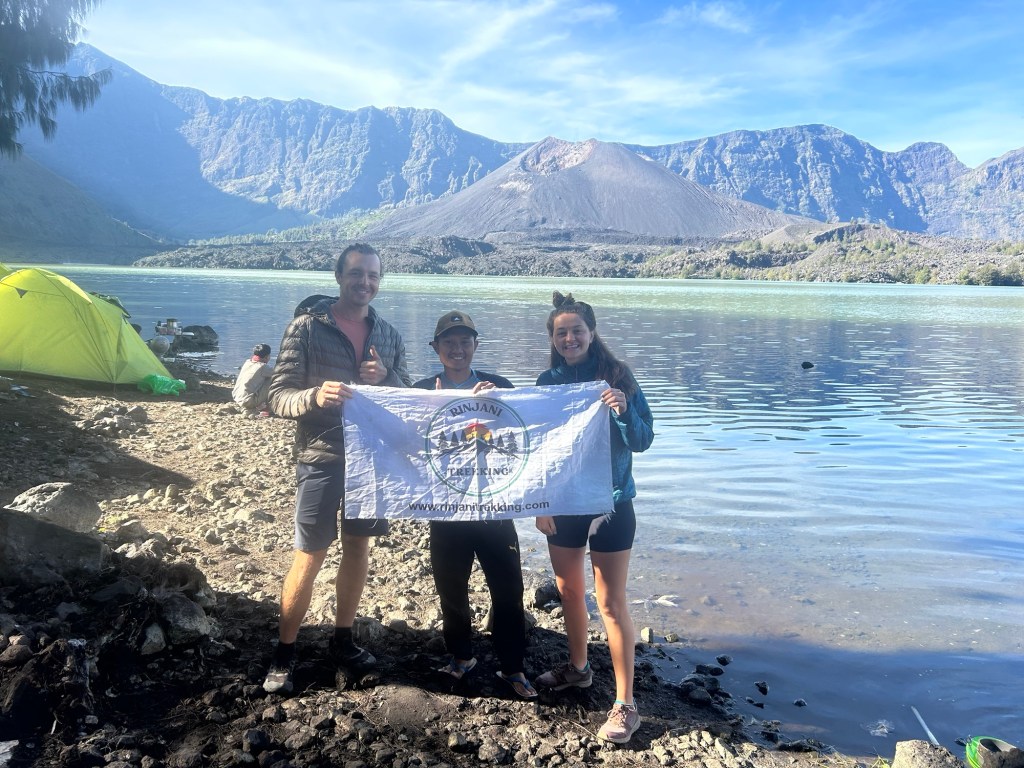
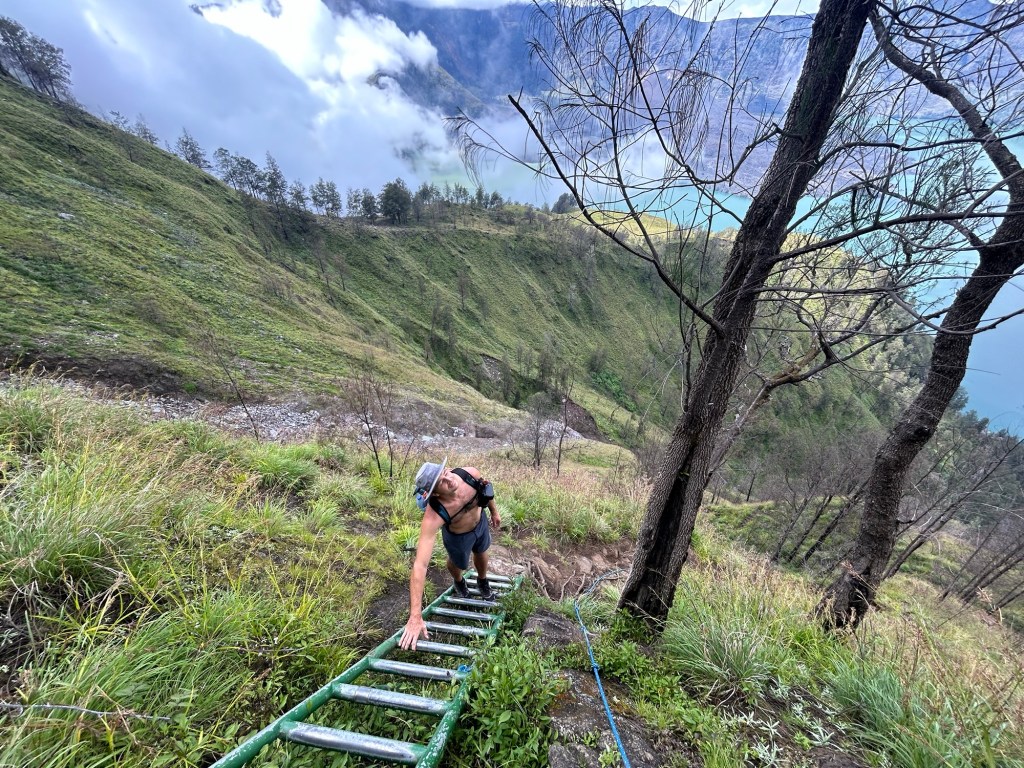
The following day brought another tough ascent to the Senaru Crater Rim, as we left the camp site, skirted around the lake, and began a steep climb upwards on a very very hot day. We made it to the first ridge and then the second part of the hike included climbing ladders and trails through exposed terrain and grassy plateaus. We were the first group to make it to the top (hikers come from both directions to camp here), so we were the first to choose our campsite, and we chose to be facing the lake. We watched as the clouds rolled in and the sun dipped behind the crater walls for a beautiful sunset.
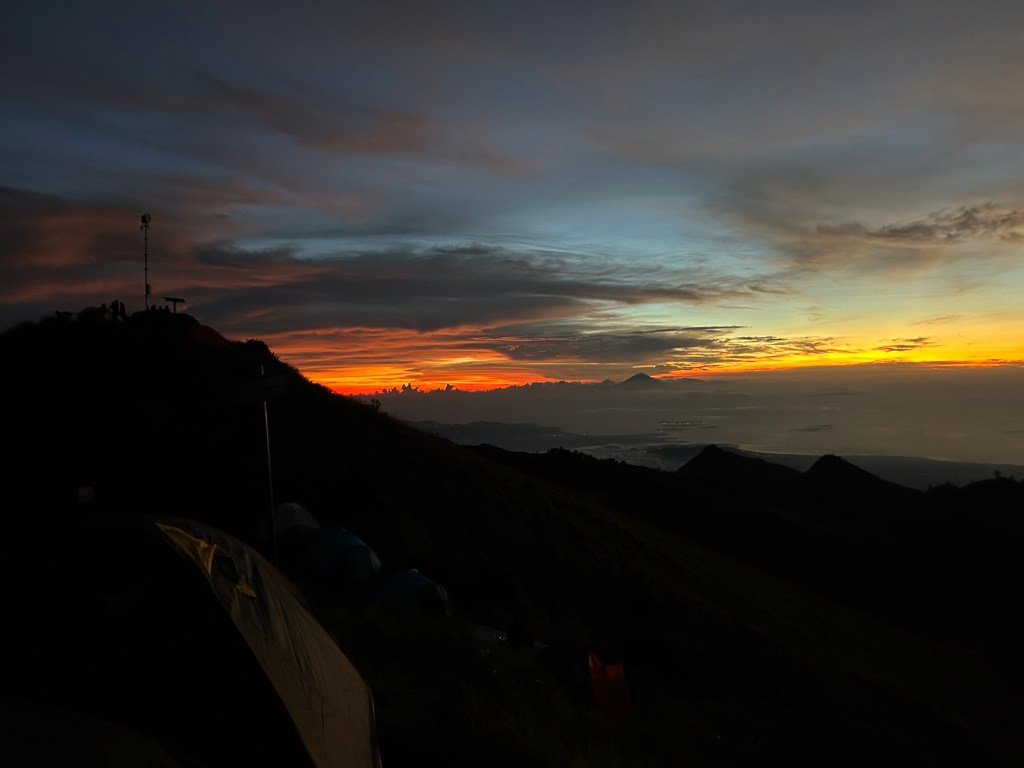
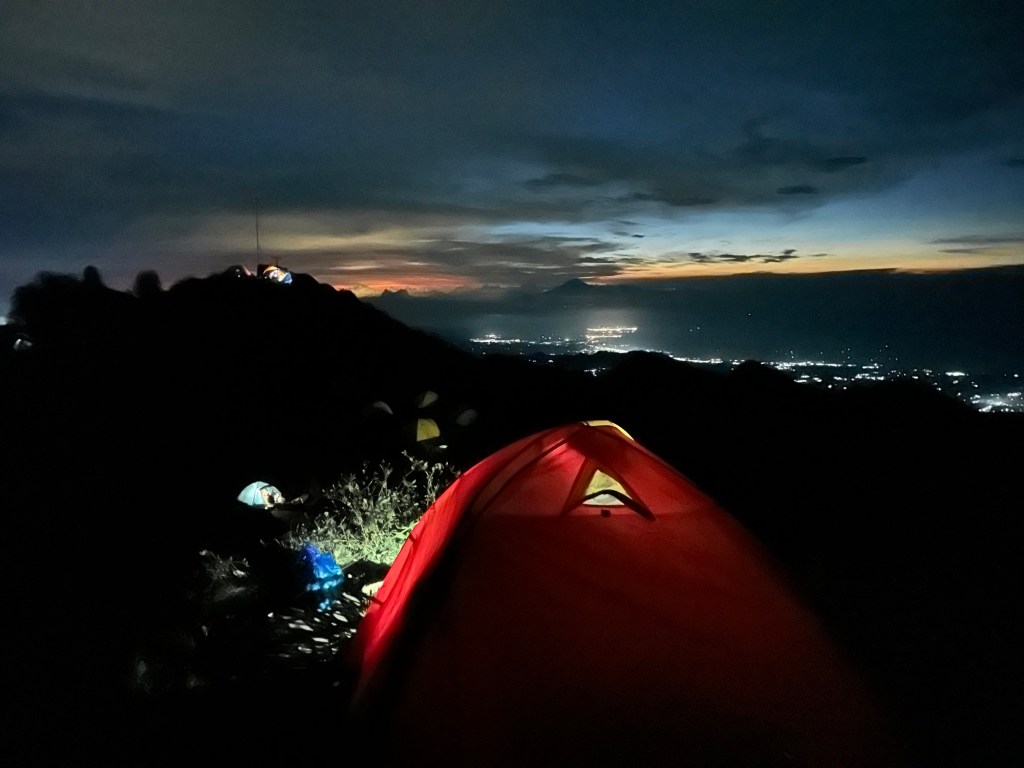
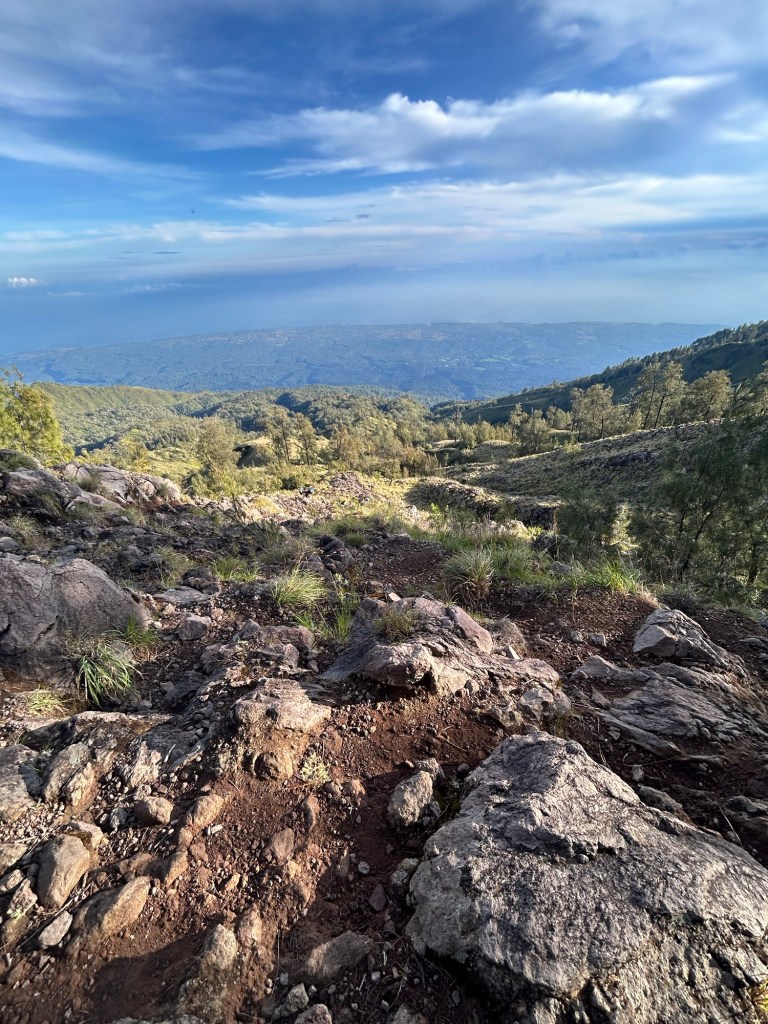
Our final day was a rapid descent—2,000 meters down in just under three hours—through dense jungle and mossy trails to the Senaru Gate. Tired and proud, we made our way back to Bali by speedboat from Lombok to rest for the night before catching a flight to Singapore where we met some friends from home!
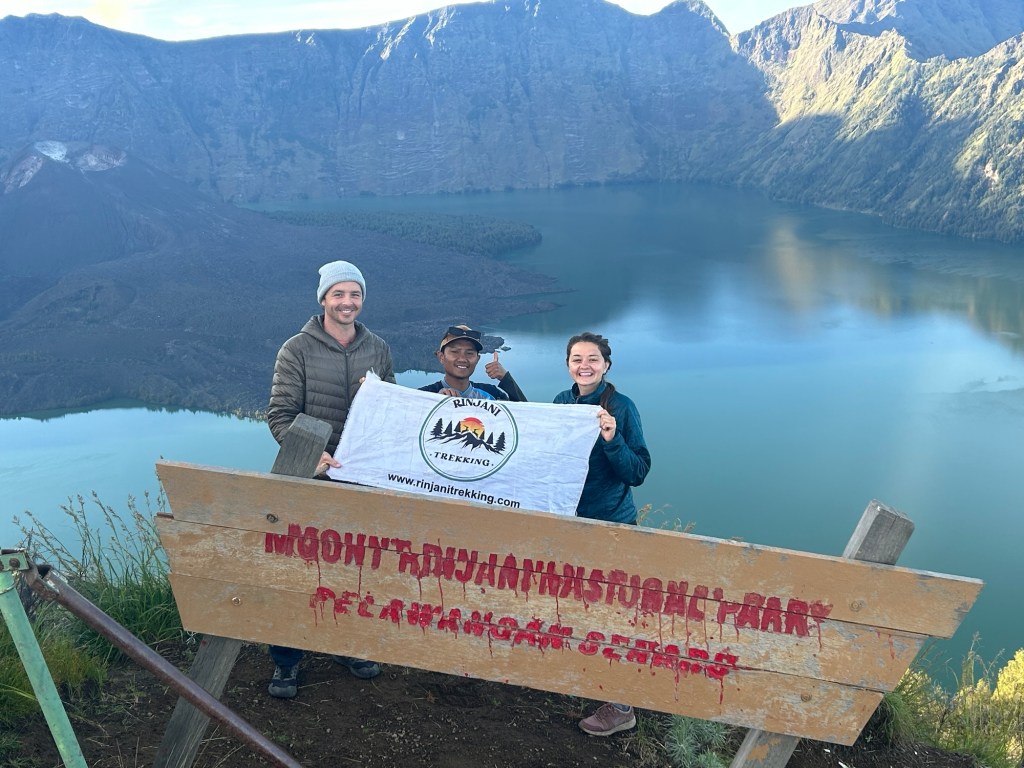
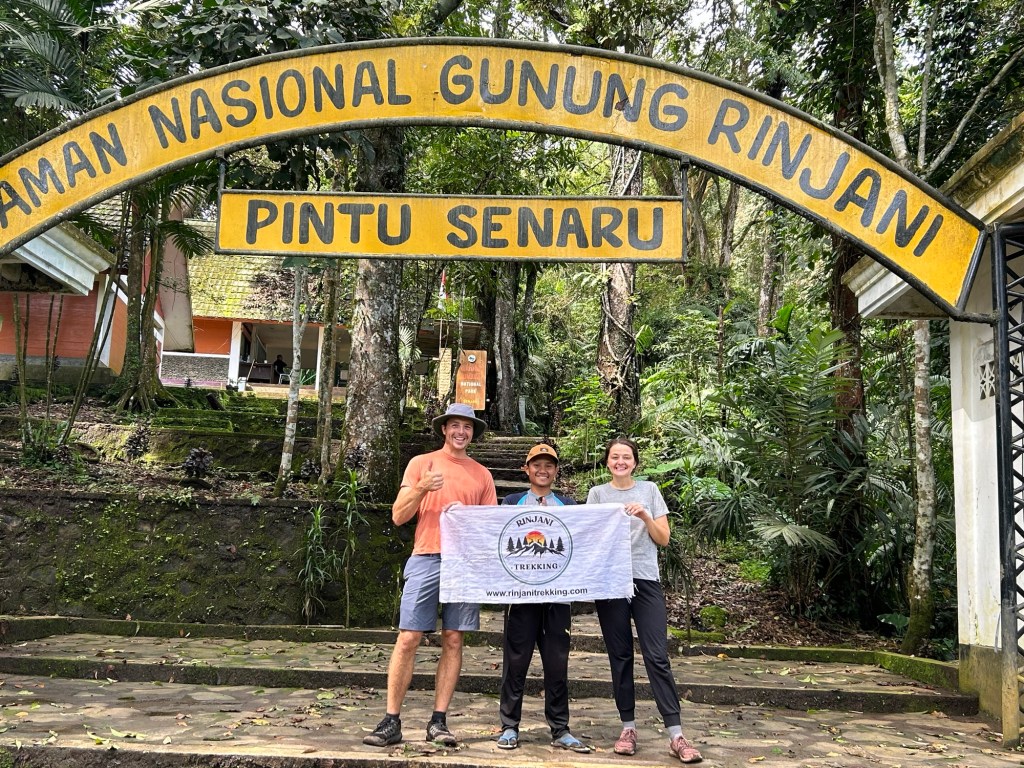
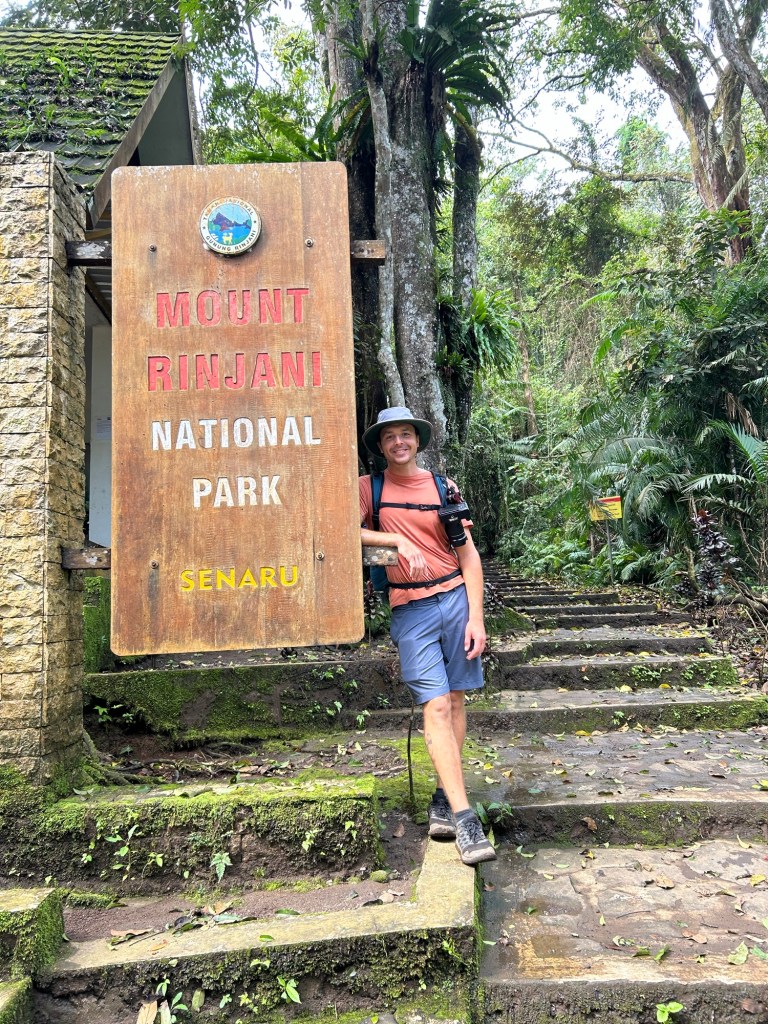
The Rinjani trek was the perfect finale to our time in Indonesia—physically demanding, mentally rewarding, and absolutely breathtaking.
After 43 days in Indonesia, it feels like there is so much more to explore, that will be left for another time and another adventure. Indonesia is a country that has truly captured our hearts.
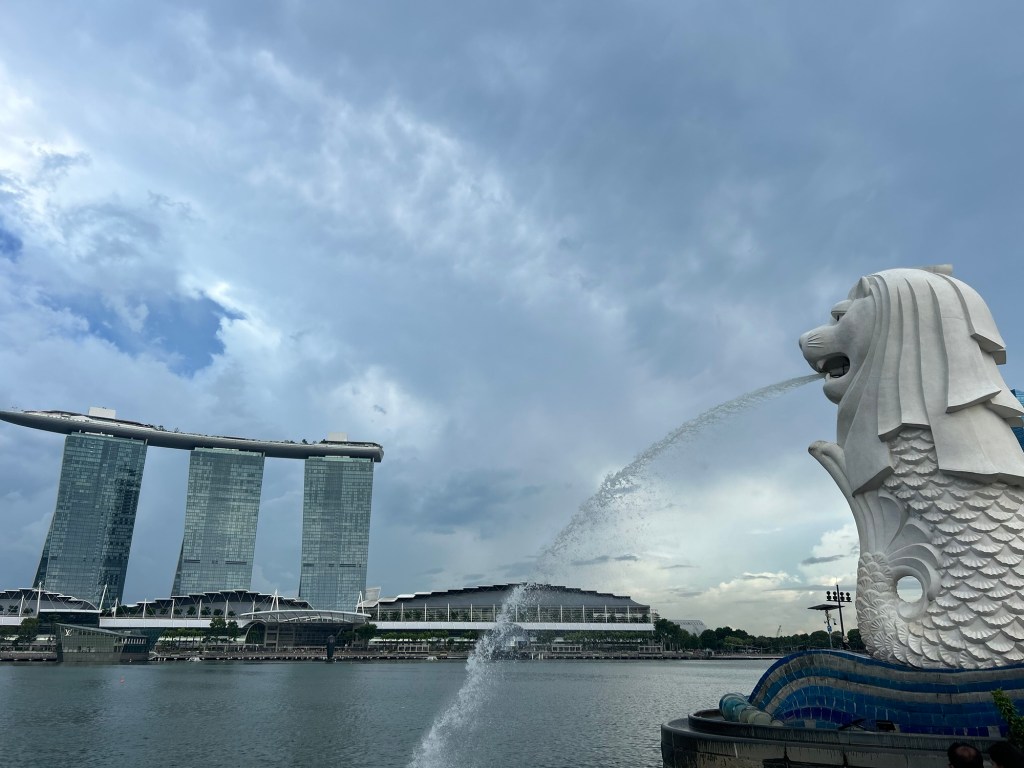
Next stop, Singapore!
The (almost) final leg of our journey.

 Roam With Us