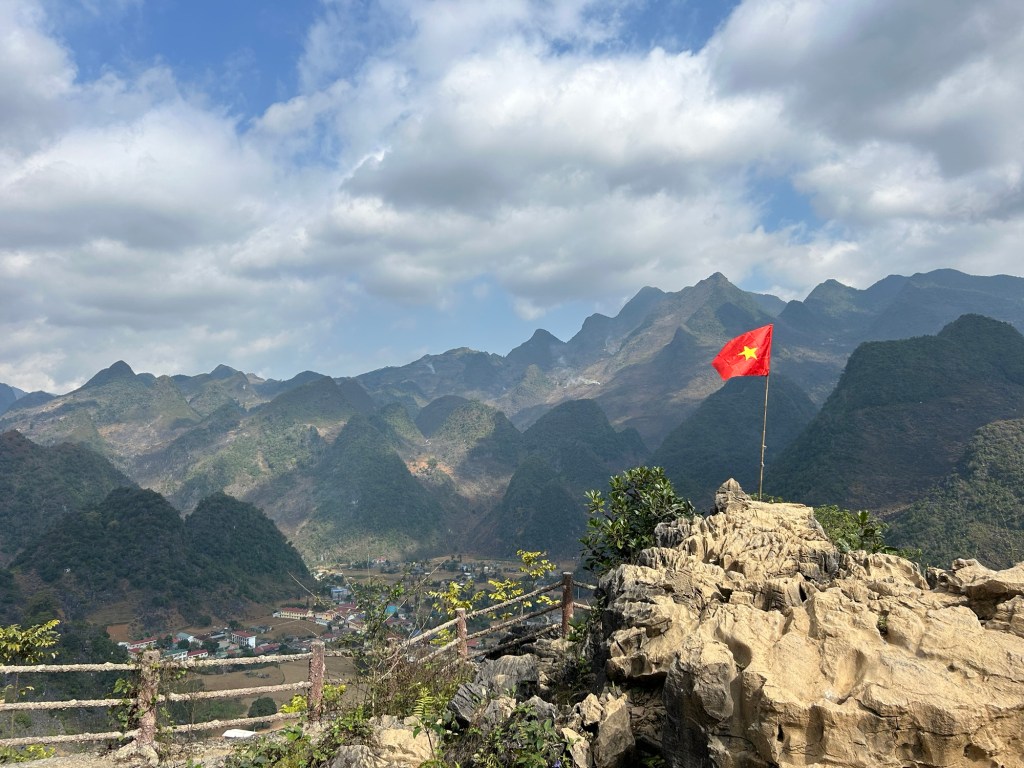
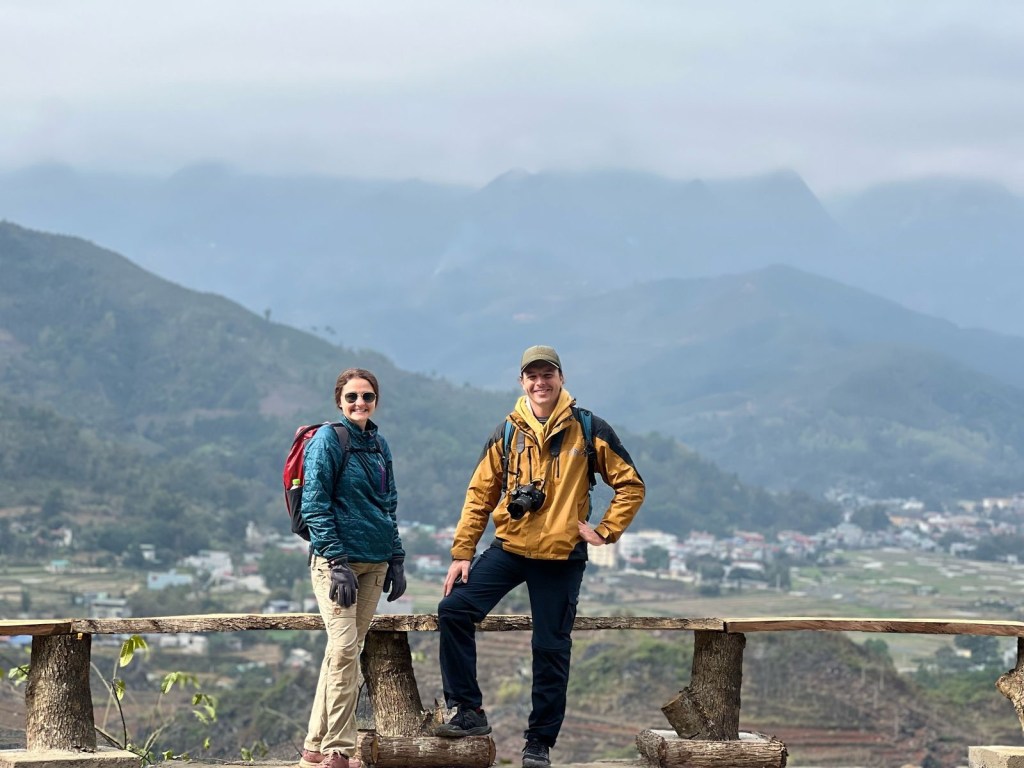
Journeying South to North through Vietnam
Vietnam was a long-awaited bucket list travel destination for us for many reasons. I have a deep love for history and enjoy immersing myself in it, which was a major reason for my journey to Vietnam. Especially after having learned and read about the Vietnam war, and travelled through both Laos and Cambodia learning of the ongoing impacts and the resilience of the people in both countries, we were eager to continue our education once we arrived in Vietnam.
Other factors that brought us to this beautiful country included the terraced rice fields, breathtaking landscapes and views, incredible food, as well as the beautiful & friendly people, many of which we had the privilege of meeting along our journey.
We traveled during what felt unmistakably like peak tourist season, and it was surprising to arrive at places we had assumed would be secluded and relatively untraveled, but were heavily visited by fellow tourists. Despite the heavily touristed overlapping adventures, we made the best of our time in Vietnam.
Read below for our recap, venturing (and eating our way) from Southern to Northern Vietnam.
Ho Chi Minh City
Our time in Vietnam began in Ho Chi Minh City. We hadn’t realized that the visa application process was different than other countries in Southeast Asia, so we had an unexpected extra day in Phnom Penh Cambodia, and entered Vietnam via bus the following day, our first stop being Ho Chi Minh City (HCMC).
HCMC, formerly known as Saigon, is a very active city home to over 9 million people. When deciding where to stay, we explored our options and noted that HCMC is divided into several districts, which each have their own distinct characteristics. We decided to spend most of our time in districts 1 & 3, which are the more central areas of HCMC.
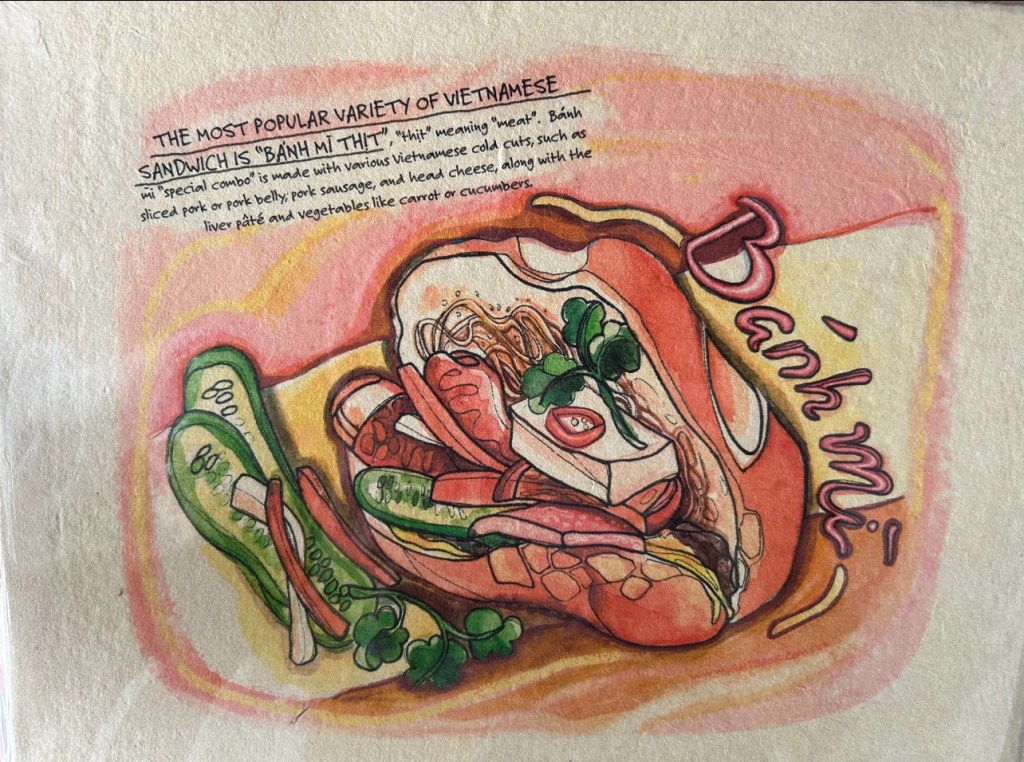
On day 1 we experienced our first, and probably the most well-known Vietnamese speciality called Bánh mì. You can see the photo of the poster below to find out what traditionally is in a Bánh mì. Mat proceeded to have Bánh mì almost daily as we moved our way through South to North.
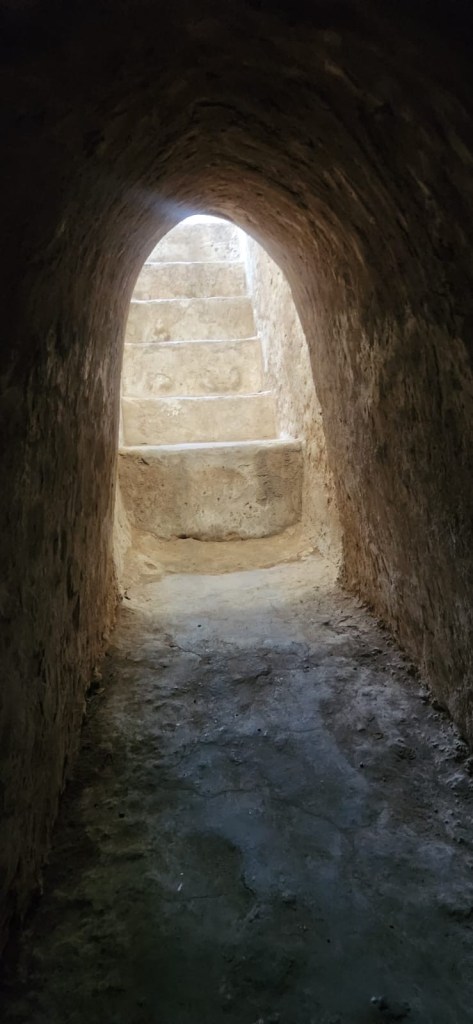
Visiting the Cu Chi Tunnels was a must on our Vietnam bucket list. Located in Cu Chi, Ho Chi Minh City, these underground tunnels were built by the Viet Cong during the Vietnam War and played a crucial role in their resistance. The tunnels served as living quarters, supply routes, and strategic hiding spots, allowing soldiers to move undetected and endure extreme conditions.
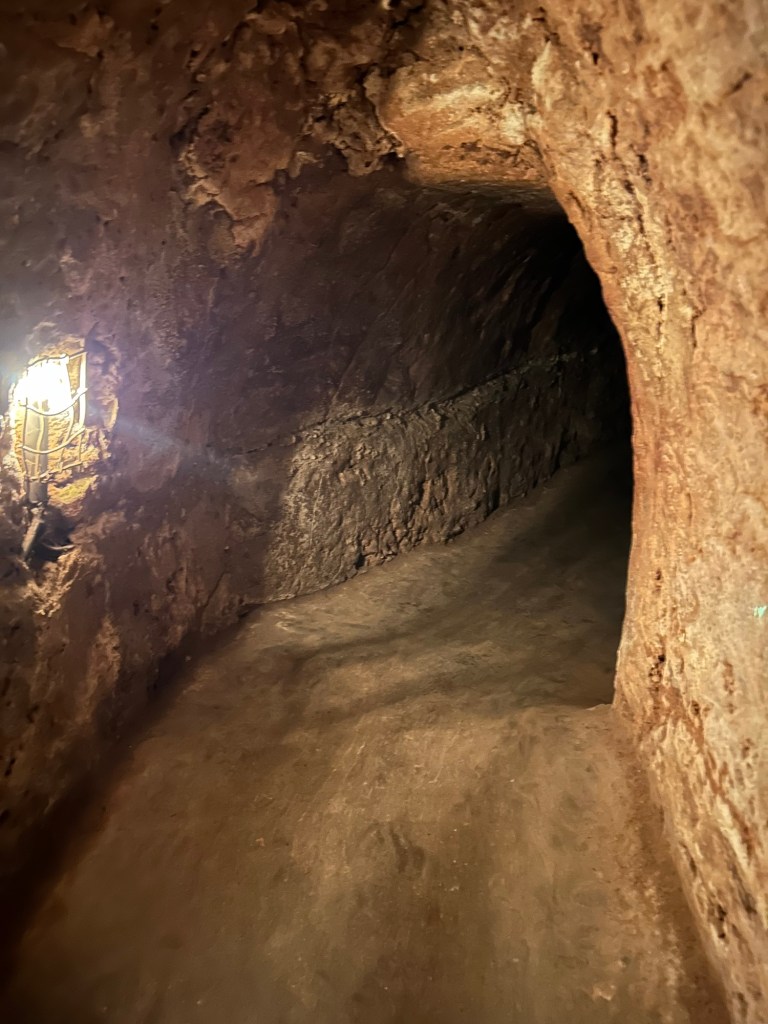
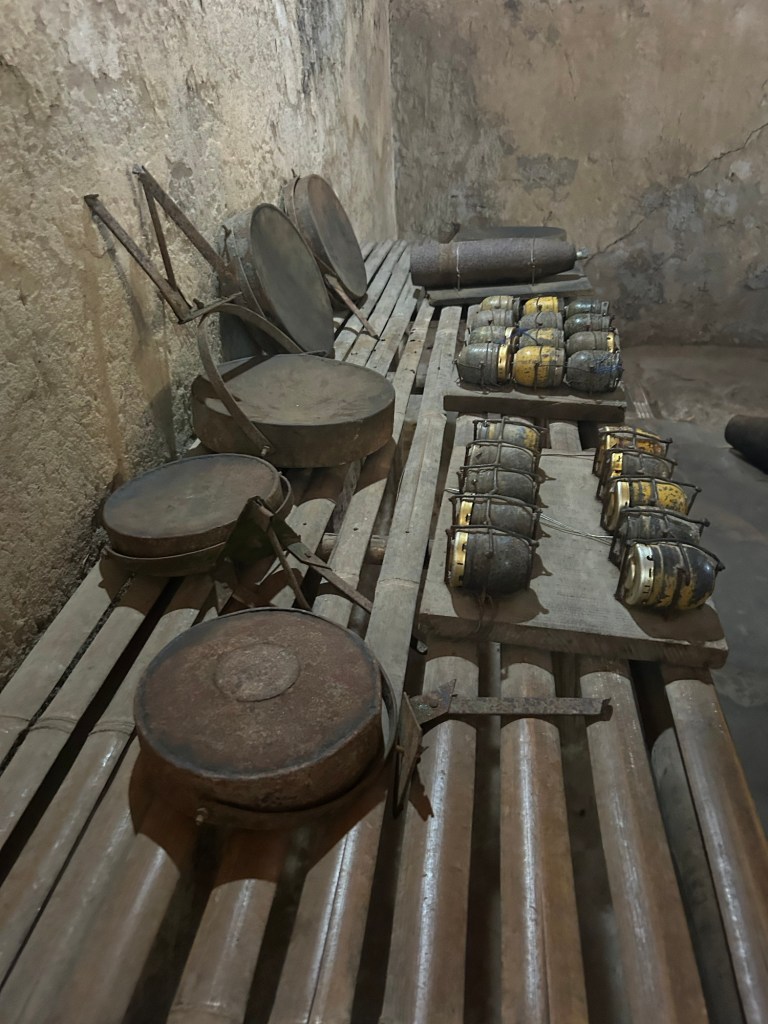
Our guide, Phuong, provided deep insights into the Vietnam War, particularly the devastating use of Dioxin (Agent Orange) and its lingering effects on both Vietnamese civilians and American soldiers. He discussed the sheer scale of destruction, from contaminated soil to unexploded ordnance that continue to affect lives today of both Vietnamese and American soldiers and families.
At the tunnels, we explored some of the intricate 230-kilometer underground network used by the Viet Cong to hide, transport supplies, and survive relentless bombings. The design was brilliant—multi-level tunnels with hidden entrances, trapdoors, and ventilation systems that allowed them to outmaneuver enemy forces. Crawling through the narrow, dark passageways gave us a sense of the conditions soldiers endured (and we even had lights to guide us).
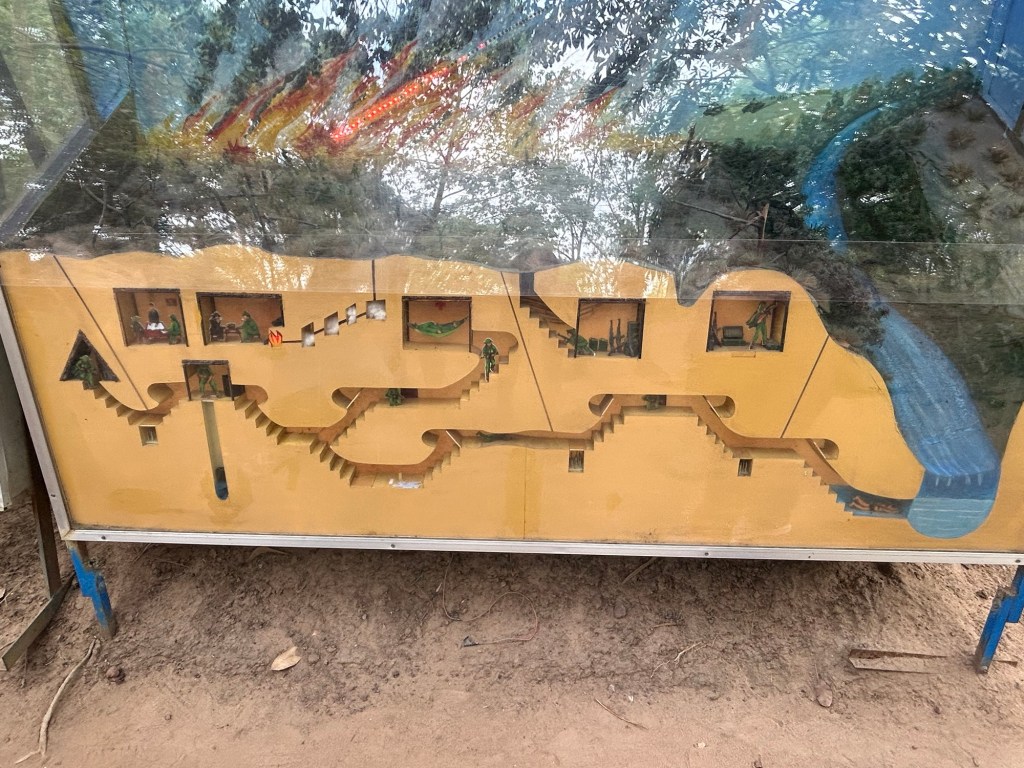
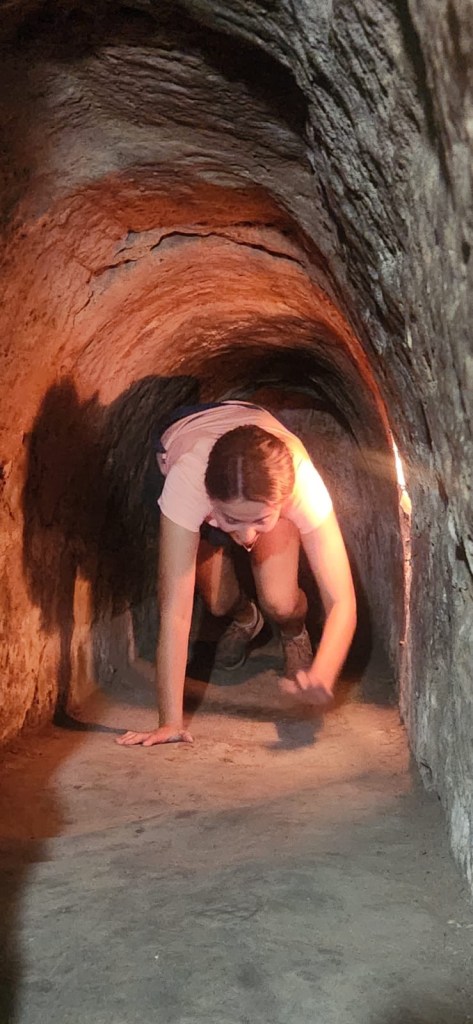
We also learned about the tactics the Viet Cong used to stay hidden, such as camouflaged cooking chambers that dispersed smoke through multiple vents and the booby traps set to defend against enemy forces. Small air holes, cleverly disguised, provided oxygen deep underground. The visit gave us a powerful insight into the resilience and resourcefulness of those who lived and fought here.
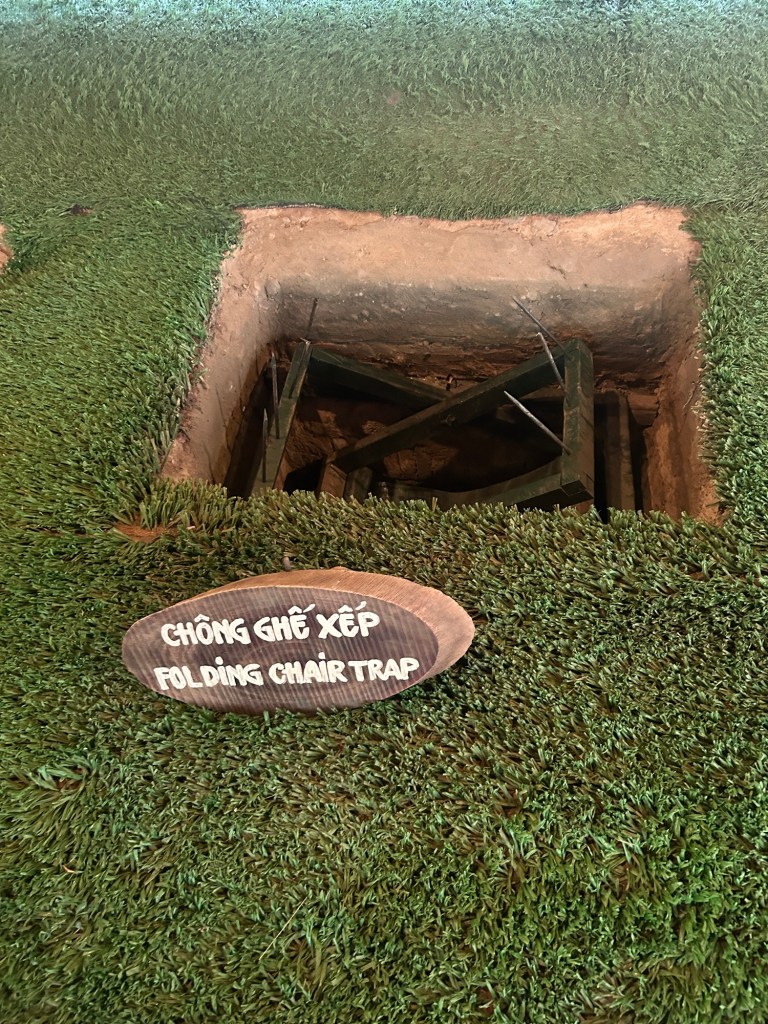
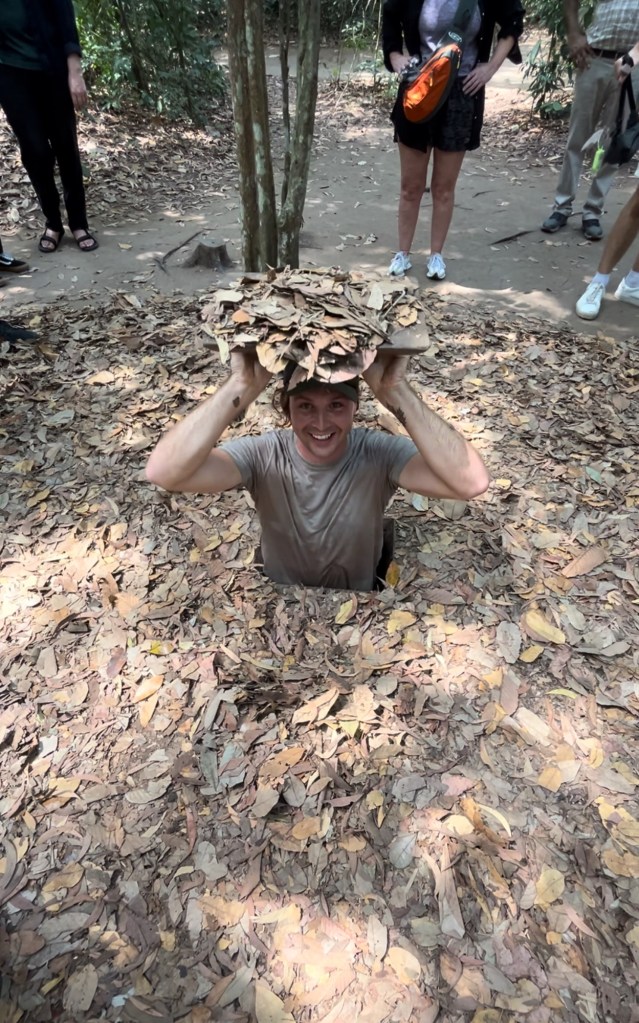
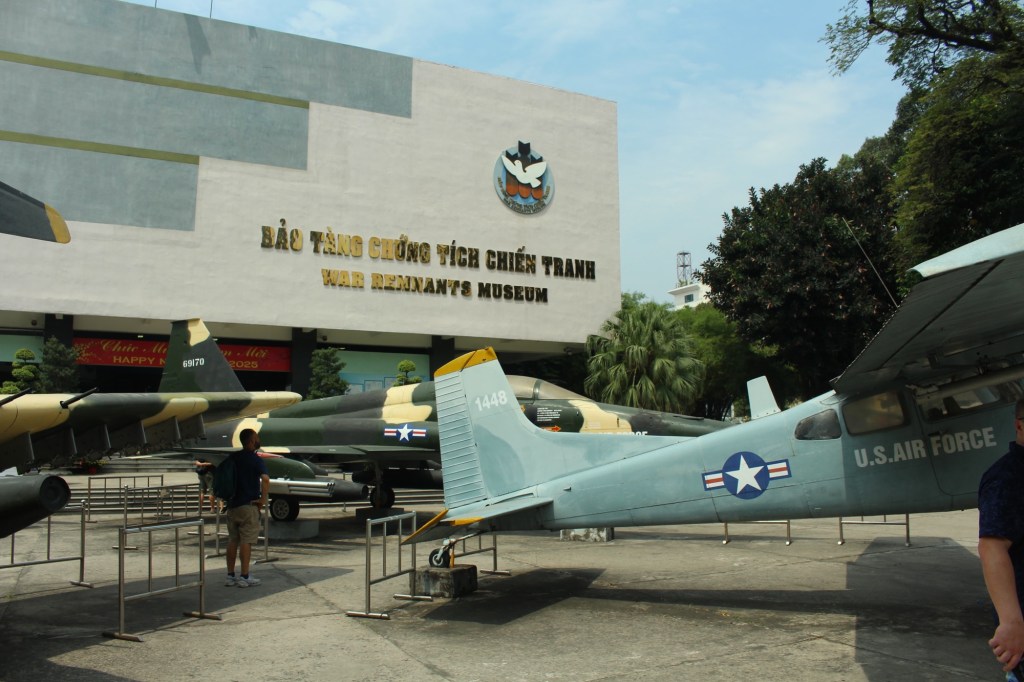
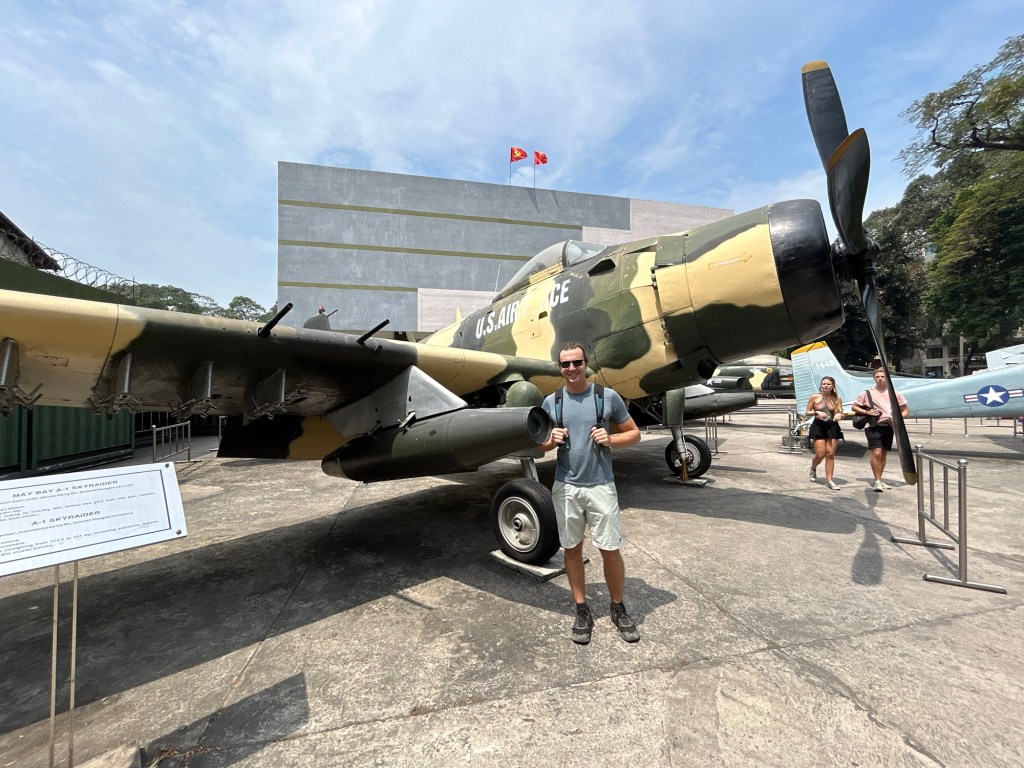
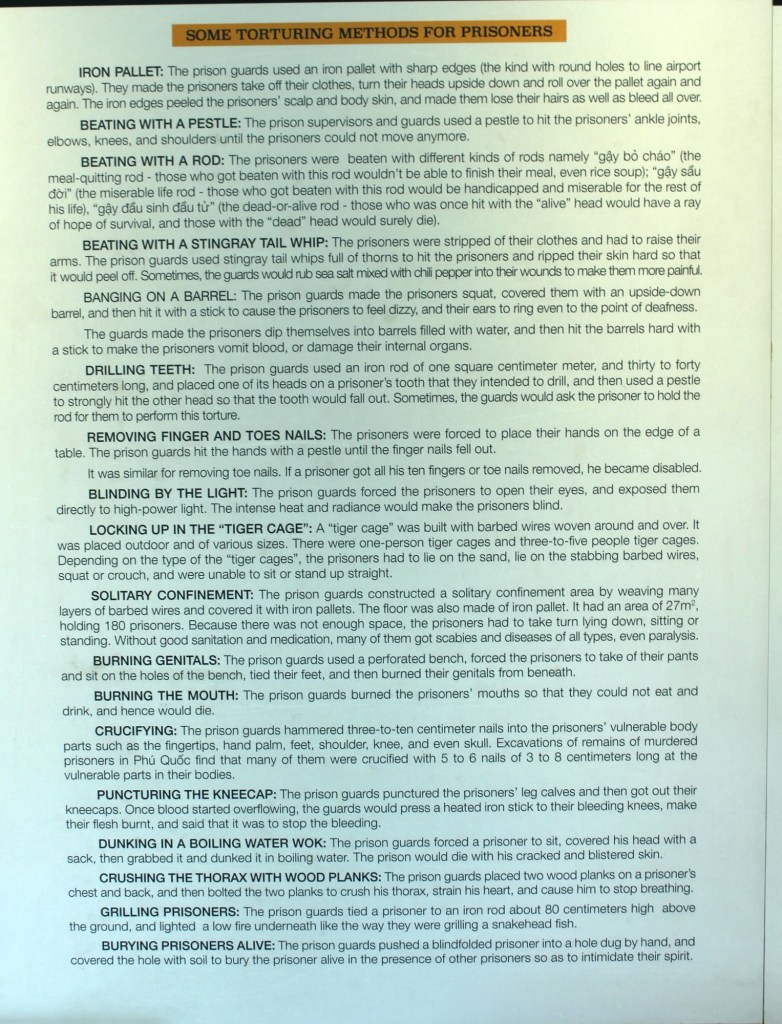
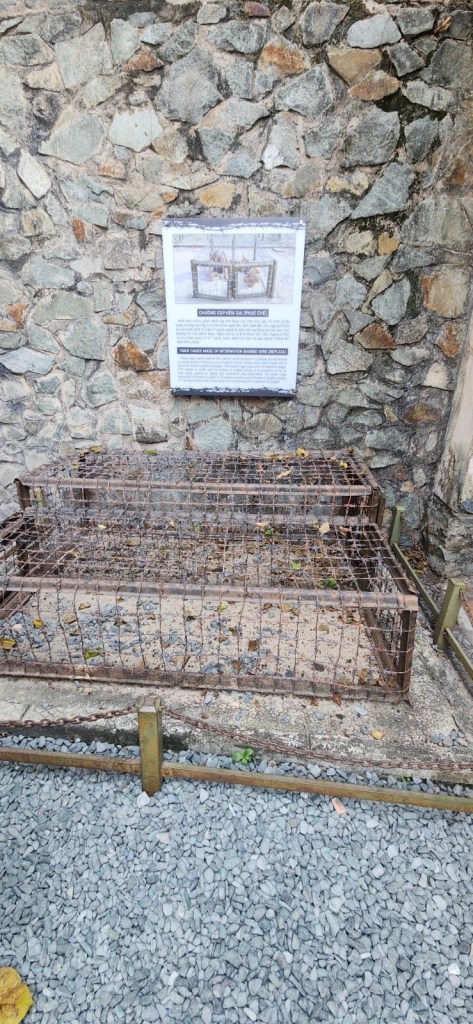
Visiting the War Remnants Museum and later the Cu Chi Tunnels gave us a sobering look at the Vietnam War and its lasting effects, particularly the devastation caused by Agent Orange. We left both sites with a deeper understanding of the Vietnam war’s impact on generations of Vietnamese people, and their continued perseverance to unify as a nation.
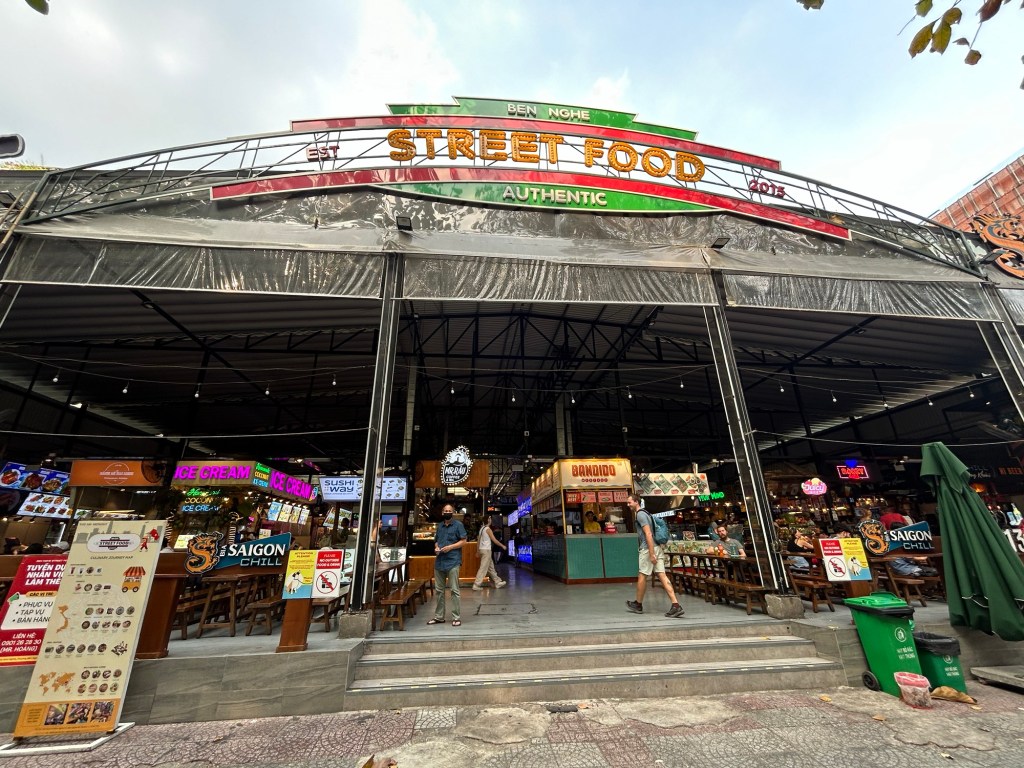
Beyond the history, we explored the vibrant markets of Ben Nghe and Ben Thanh, where we shopped and ate delicious street food.
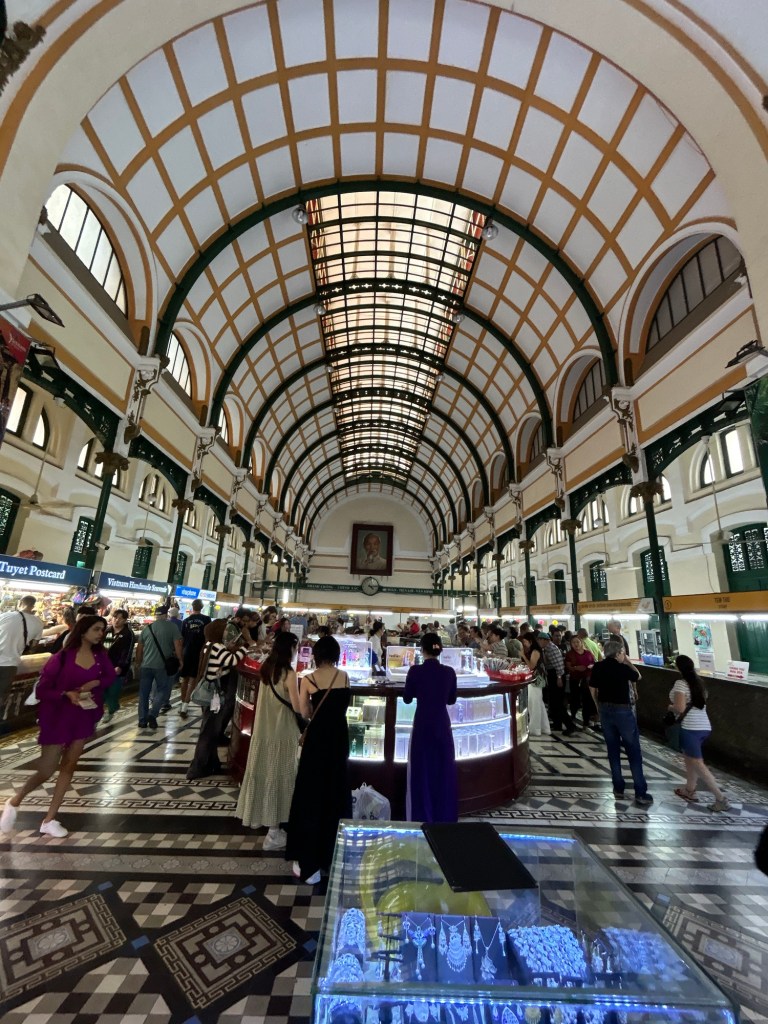
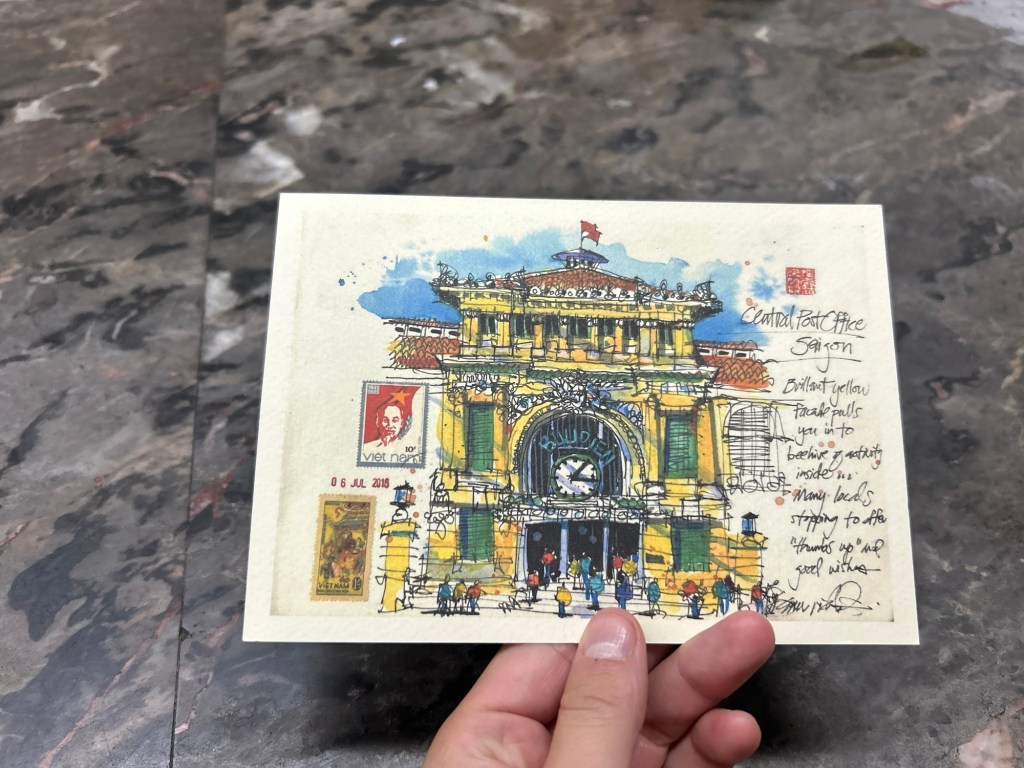
We also visited some of the iconic landmarks and main tourist attractions such as the Saigon Central Post Office, which was designed by Gustave Eiffel (the same architect behind the Eiffle Tower), where we mailed some post cards!
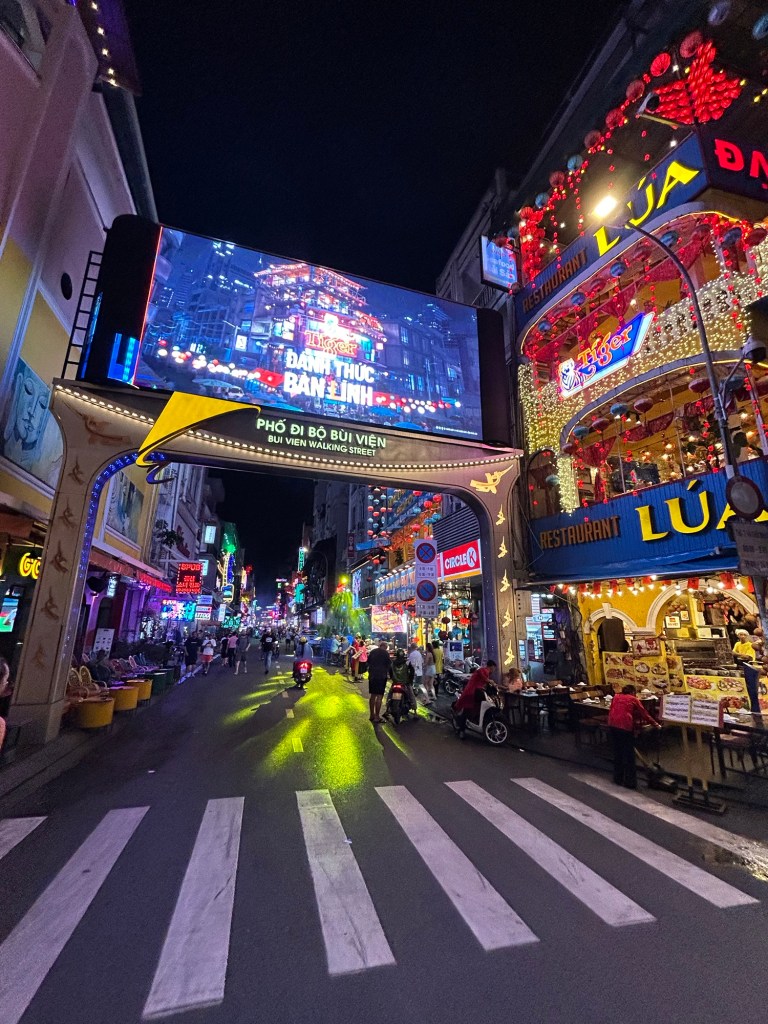
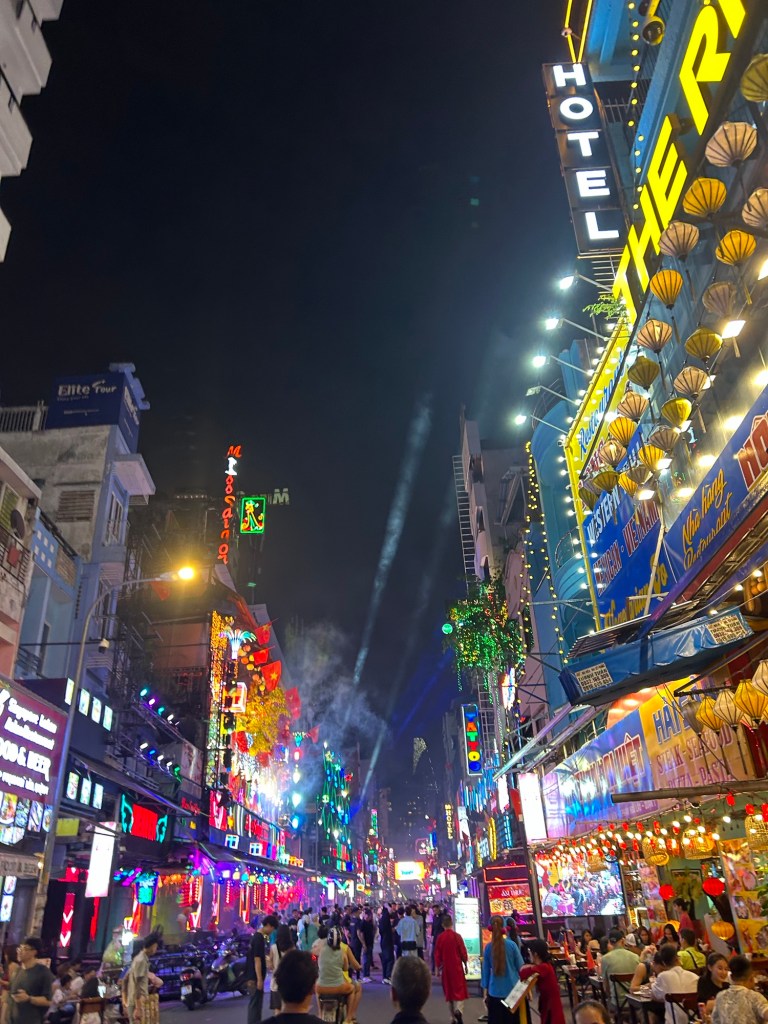
HCMC’s nightlife is an experience in itself. We headed to Bui Vien Walking Street, known for its neon-lit streets, bars, street food and live music. The street was already buzzing when we arrived for dinner, and then it transformed into a lively, packed hub of people, food, and flowing drinks—all while motorbikes and the occasional car navigated through the crowd.
We found a bar with a perfect view of the street, watching as more tables and chairs spilled onto the road, blurring the line between the bars and road as tables and chairs continued to be added deeper and deeper into the traffic area.
Da Nang
Having taken our first flight in nearly two months, we travelled from HCMC to Da Nang and were excited for some beach time!
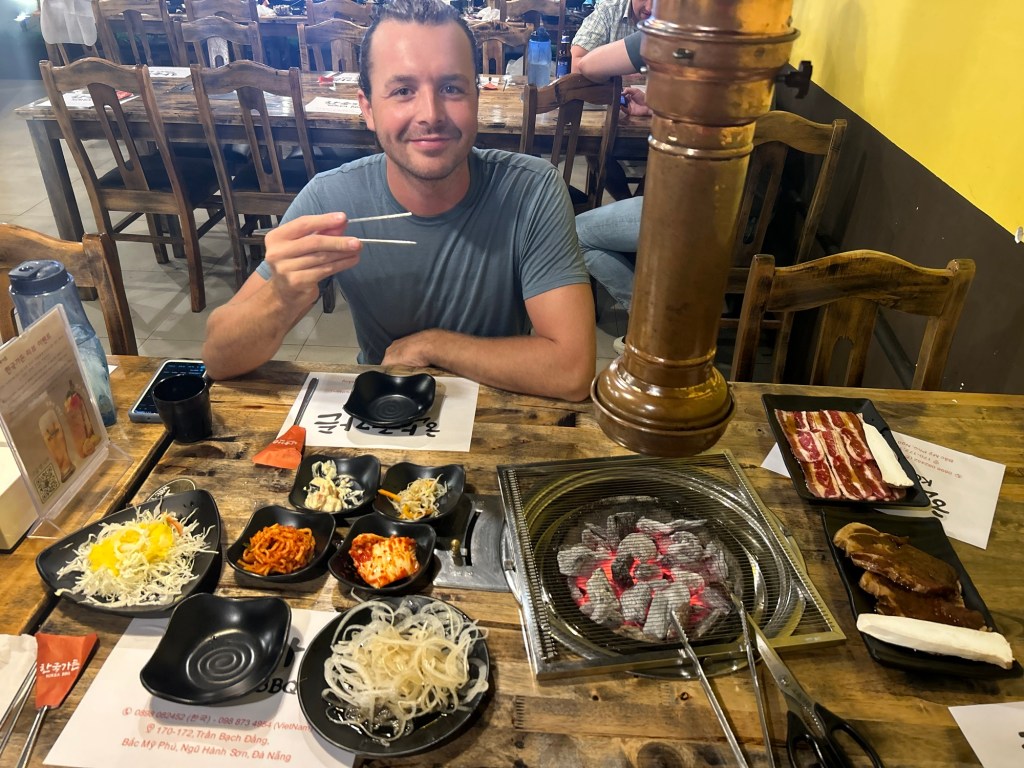
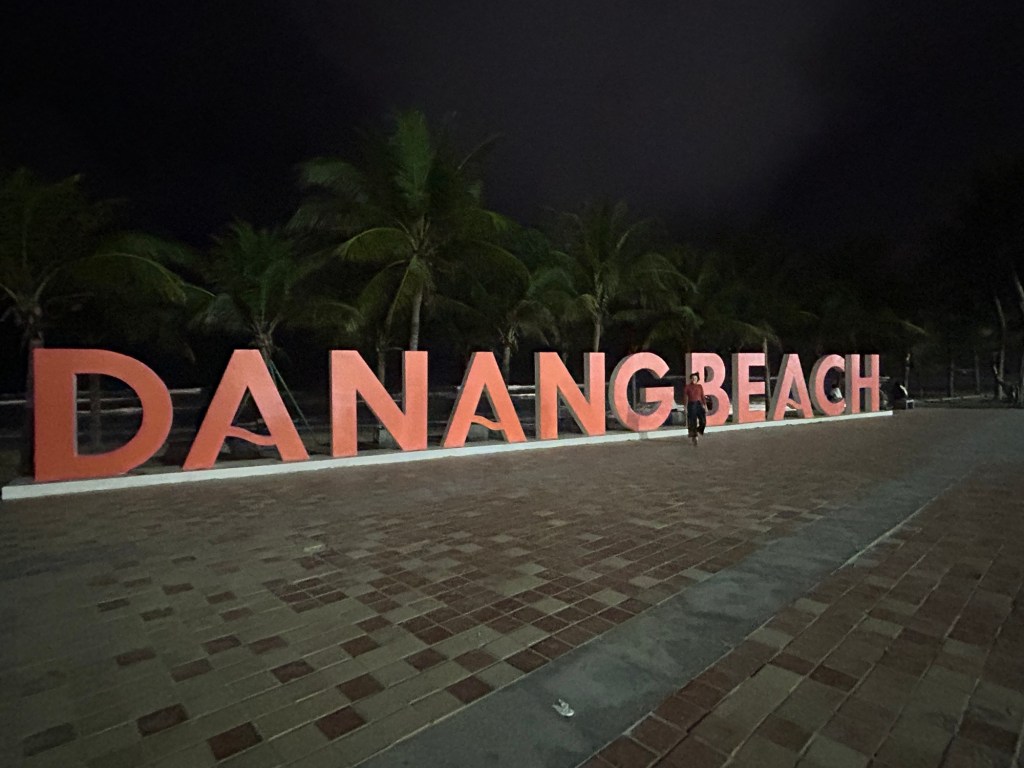
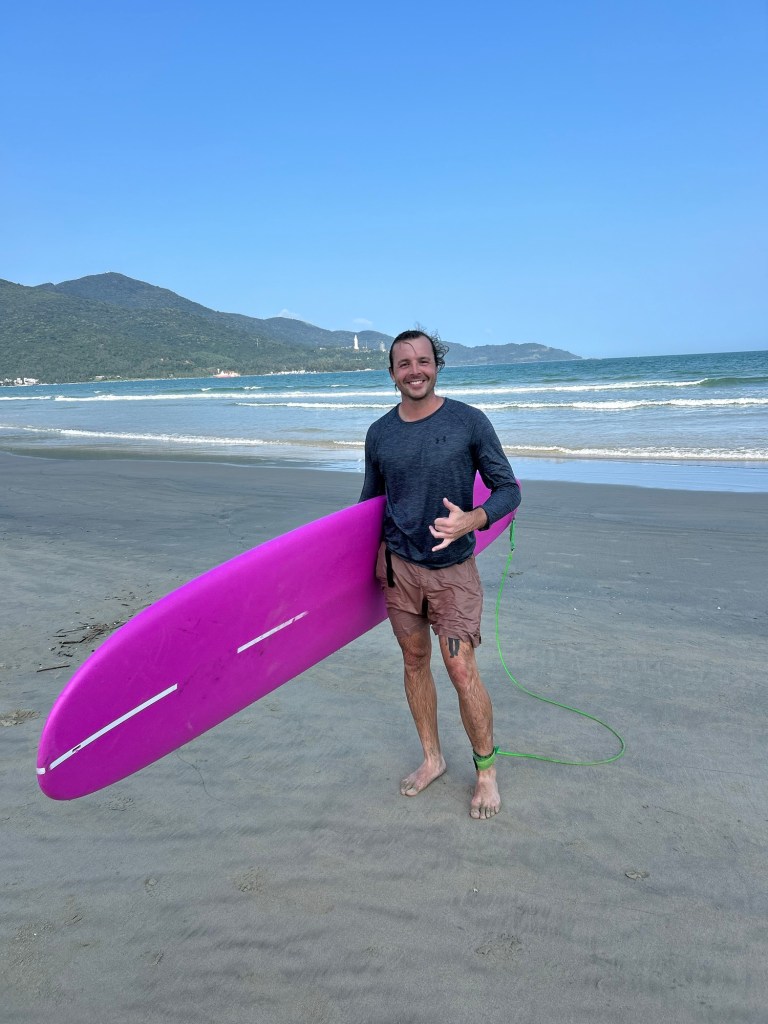
Our time in Da Nang was a mix of adventure, relaxation, and cultural exploration. The city’s coastline drew us in immediately, and we spent an entire day soaking up the sun at the beach. The waves were massive, and swimming was restricted in most areas due to the strong undertow, it was still very relaxing. The day ended with a Korean BBQ dinner, where we grilled our own meats over charcoal and ate some very flavorful Korean side dishes.
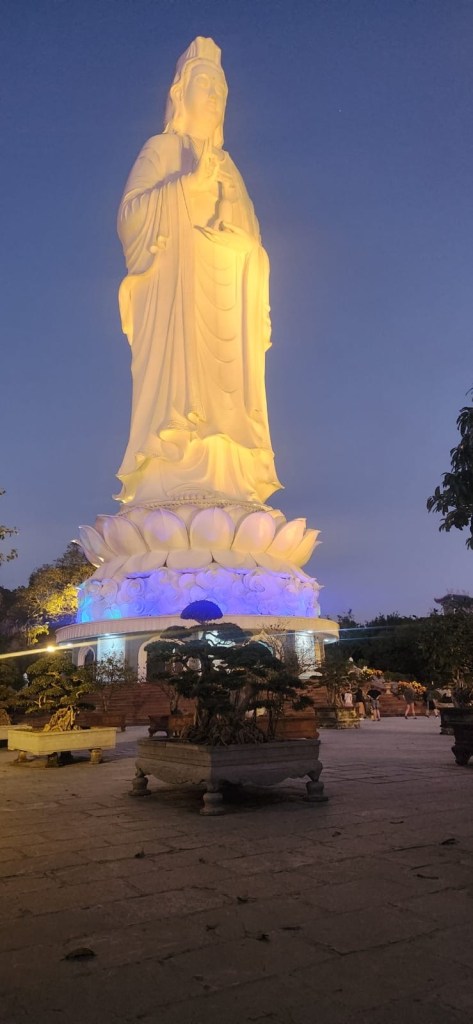
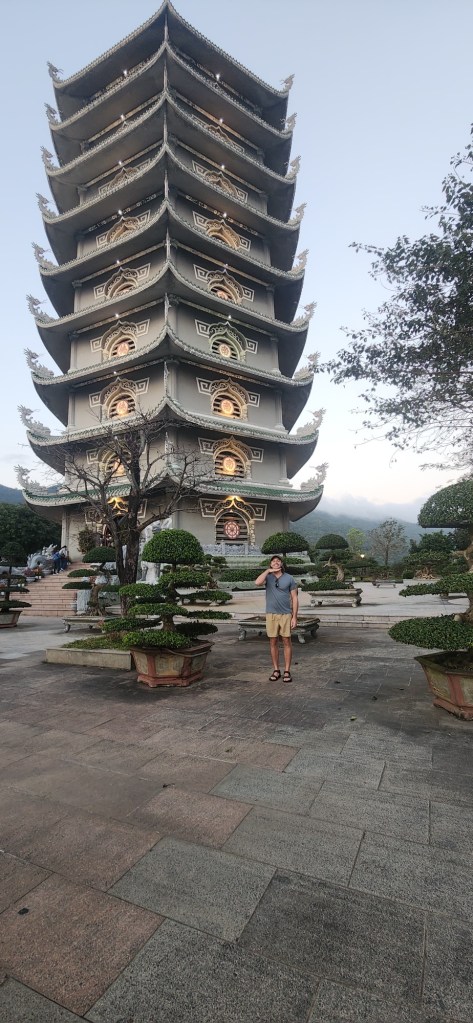
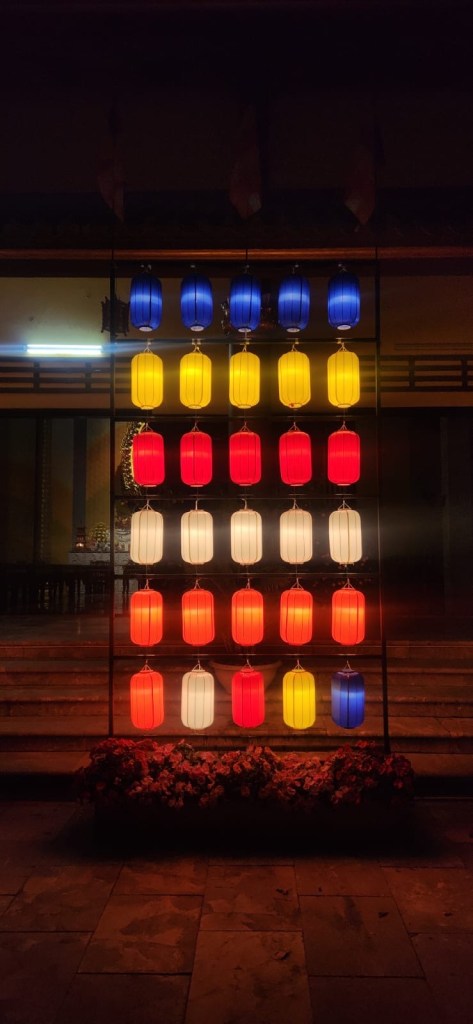
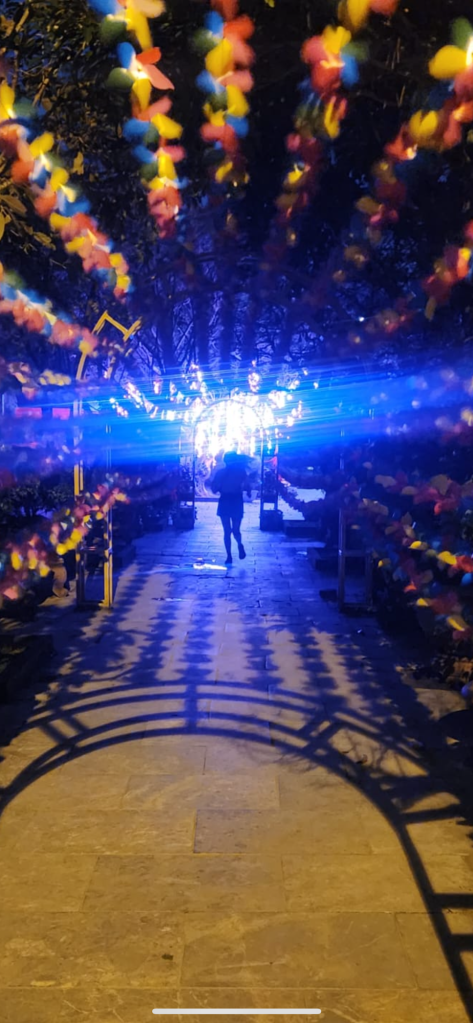
We also explored the city by scooter, travelling to the Marble Mountains, which was a cluster of five limestone hills filled with caves, temples, and panoramic viewpoints—offered stunning scenery but felt overwhelmingly touristy and crowded. In contrast, Lady Buddha and Monkey Mountain which were both further out of town provided beautiful lookouts of the city, had towering pagodas, bonsai trees, and glowing lanterns illuminating the sunset.
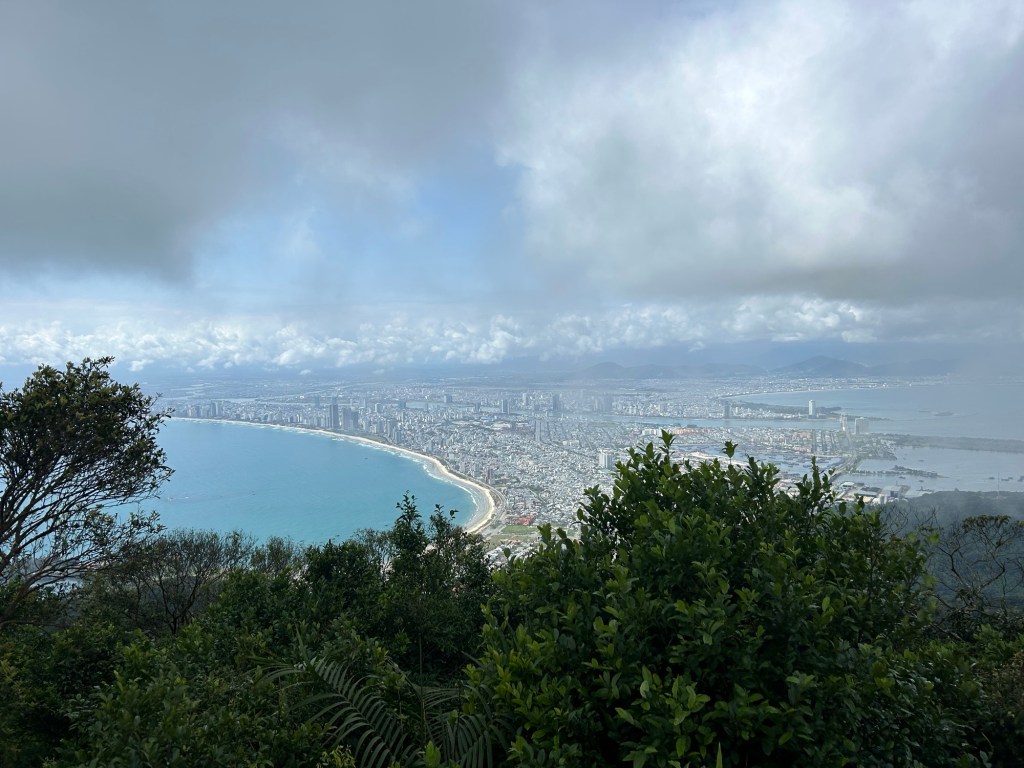
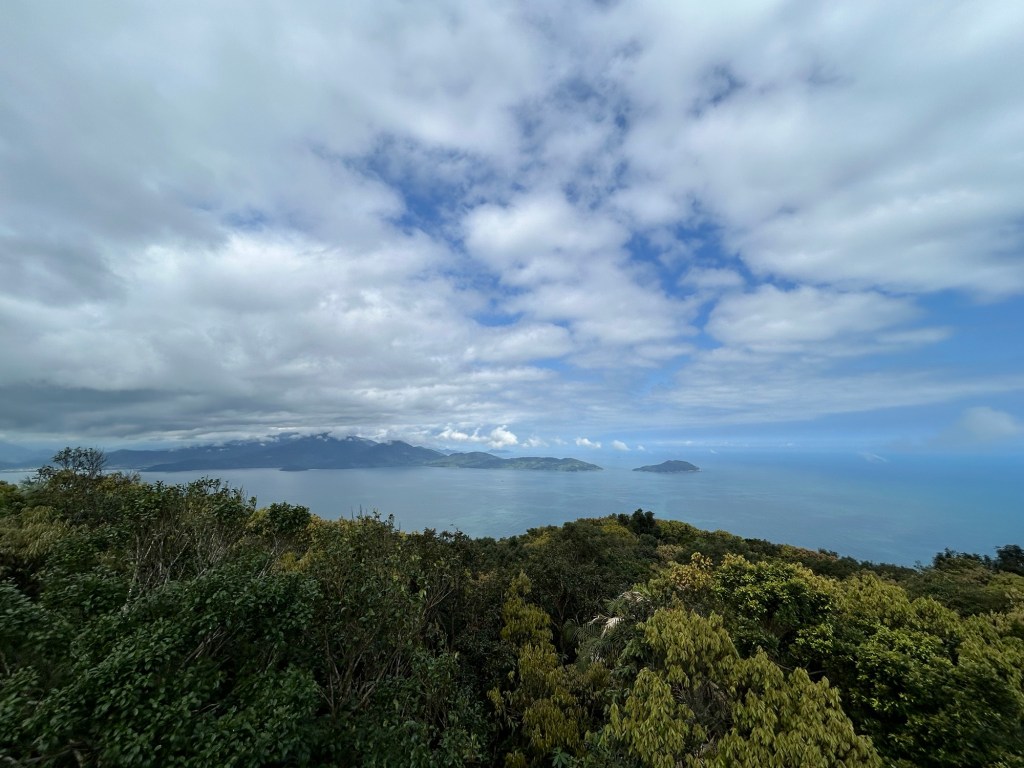
Our final scooter adventure in Da Nang had us driving up to Ban Co Peak, which was quite steep, with, sharp turns, and breathtaking views. The ascent was no joke—warning signs marked the increasing gradient levels, where halfway up, there was a checkpoint to ensure all scooters entering were manual (we had automatic scooters so we had to leave them behind and rent a manual one to continue our ride up). As we reached the upper peaks, the clouds rolled in, but we could still make out the endless ocean views and the city stretching along the coast. Monkeys greeted us along the way. Our detour into a restricted military zone—thanks to some questionable sign-reading—added an unexpected thrill before we made our way back down.
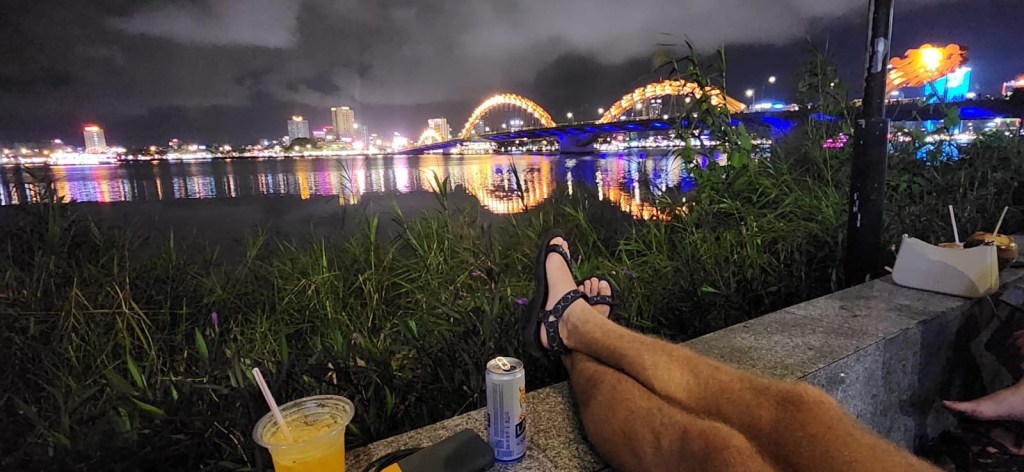
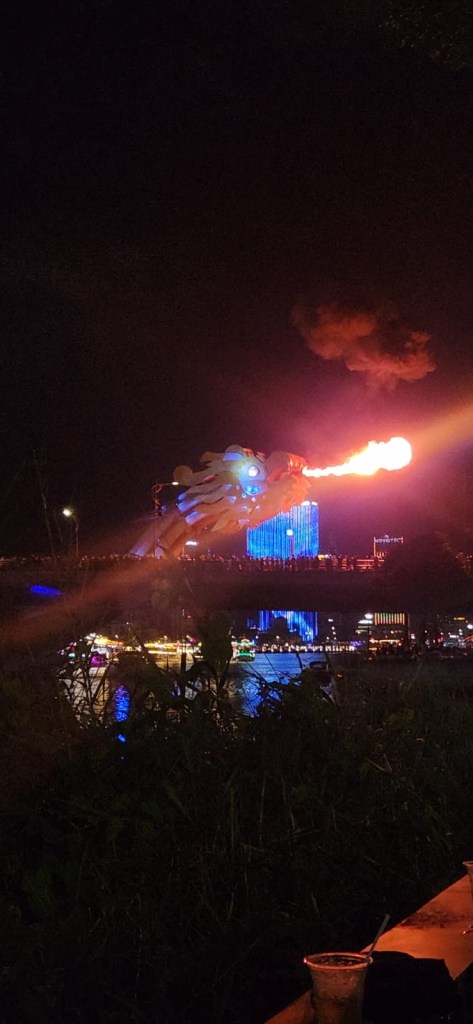
We also visited the Dragon Bridge in Da Nang, which is of the city’s most iconic landmarks. The bridge spans 666 meters over the Han River and is designed to resemble a golden dragon, a symbol of power, prosperity, and good fortune in Vietnamese culture. On weekends and holidays at 9pm, the dragon breathes Fire and Water. We were there on a Saturday and were lucky to catch the show!
Hoi An: The Land of the Lantern
Hoi An, just down the road a 30 minute drive from Da Nang, is an ancient town known for its status as a UNESCO World Heritage Site. The streets are filled with lanterns, historic architecture and a beautiful blend of many cultures. In the 15th-19th centuries, Hoi An was a trading port.
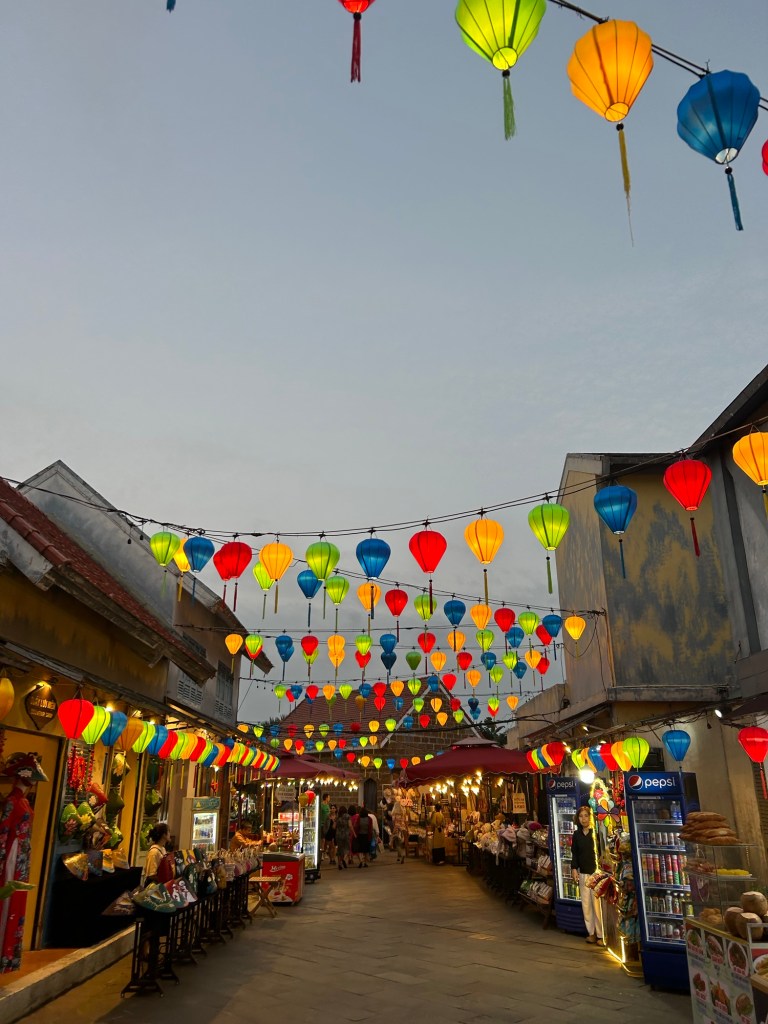
Walking through the UNESCO-listed Ancient Town, we were surrounded by beautifully preserved buildings that seemed to hold centuries of stories. We crossed the iconic Japanese Bridge (Chùa Cầu), admired the colorful lanterns that lined the streets, and even got hands-on with a lantern-making session, experiencing firsthand one of Hoi An’s oldest traditions.
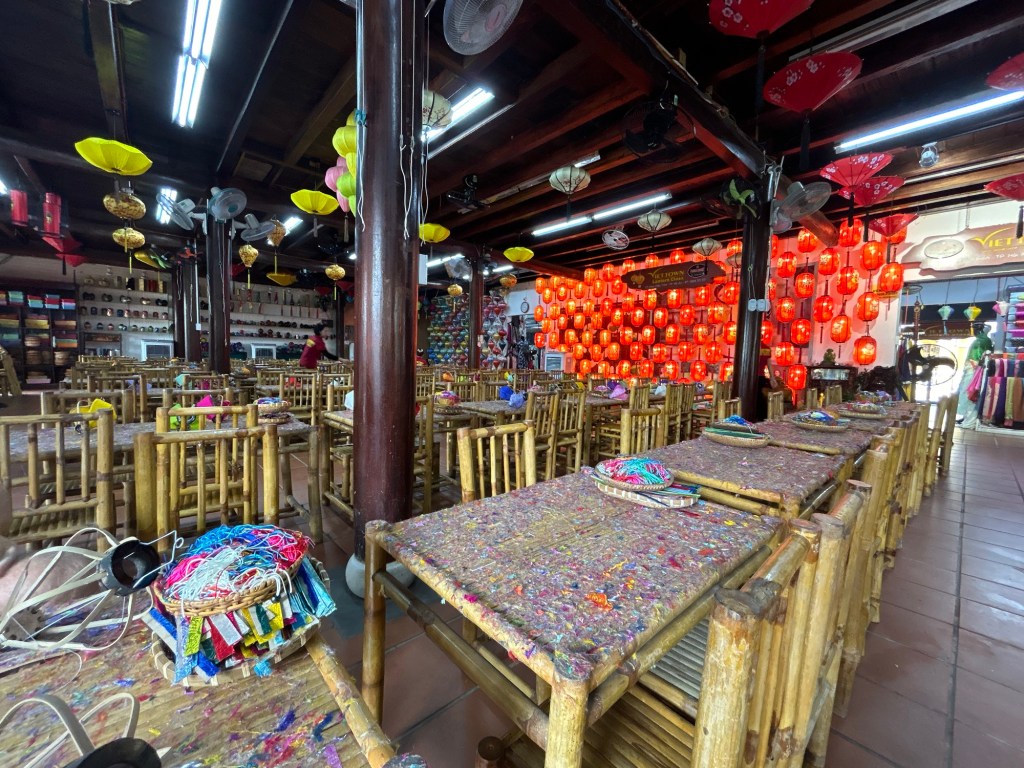
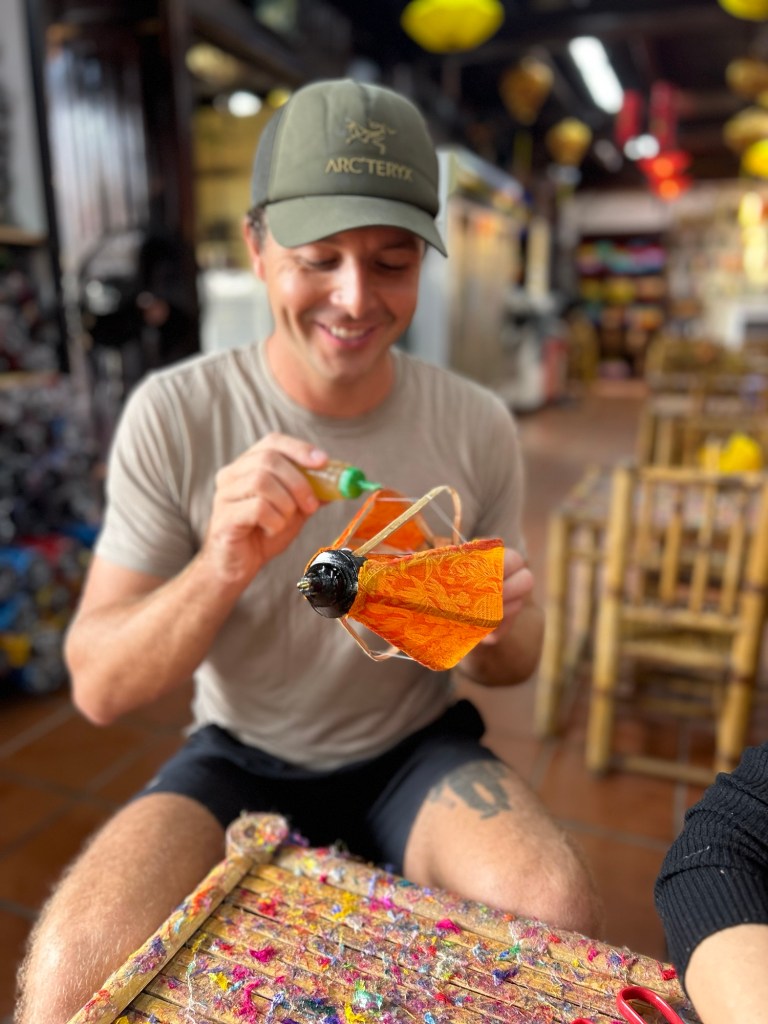
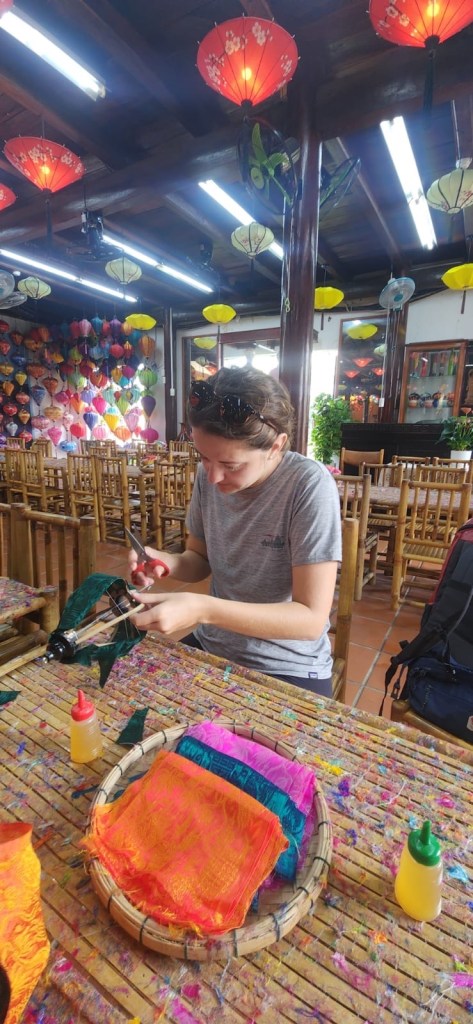
A visit to the Folklore Museum gave us deeper insight into Vietnamese legends before we set off on our scooters to explore the rice fields and coastal roads. When the rain set in, we took the opportunity to unwind and plan our next adventures.
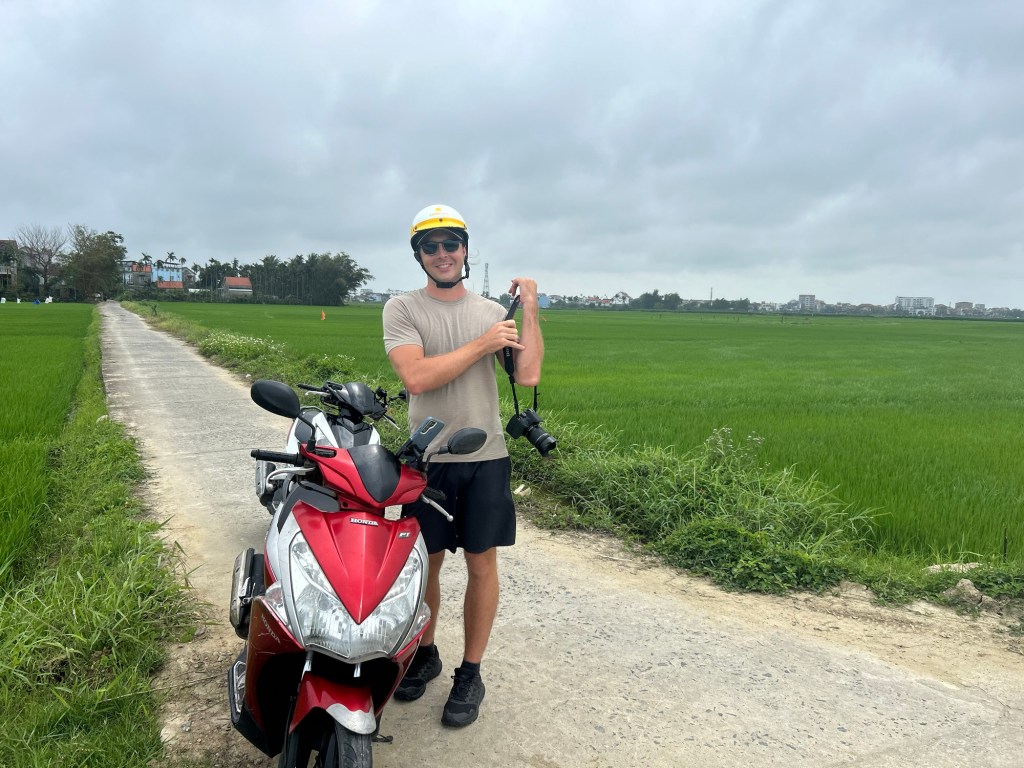
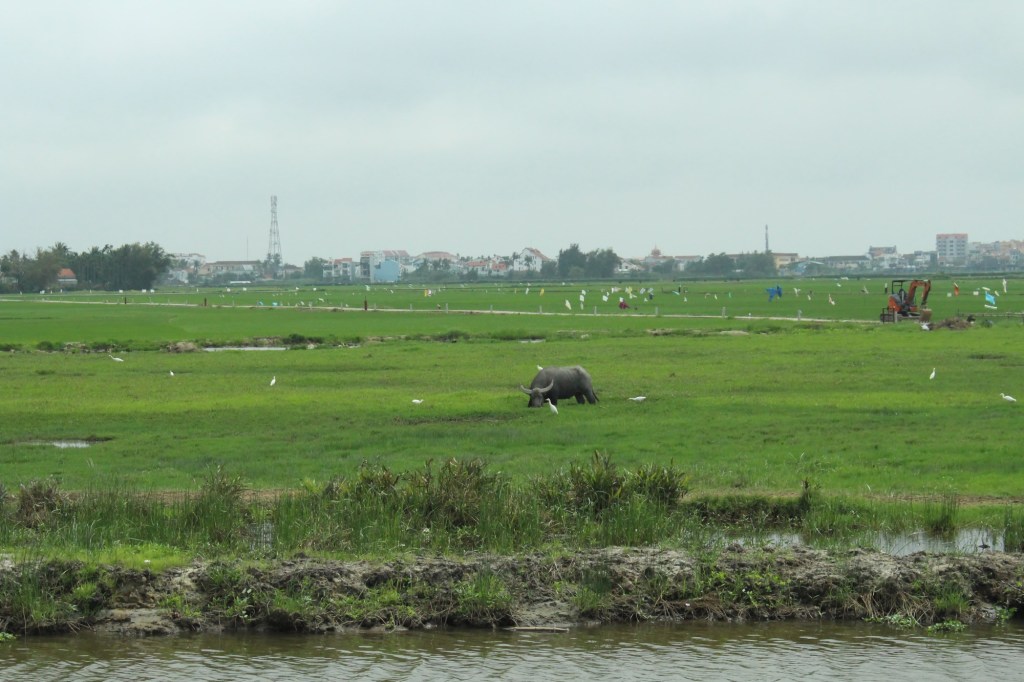
We spent time on the beautiful beach’s, playing in the big waves, walking along the coast and just relaxing. Continuing the theme of eating our way through Vietnam, we tried a traditional dish unique to Hoi An called white rose dumplings (Bánh Bao Bánh Vạc), which are translucent dumplings filled with shrimp or pork, topped with crispy shallots, and served with fish sauce. They were delicious!
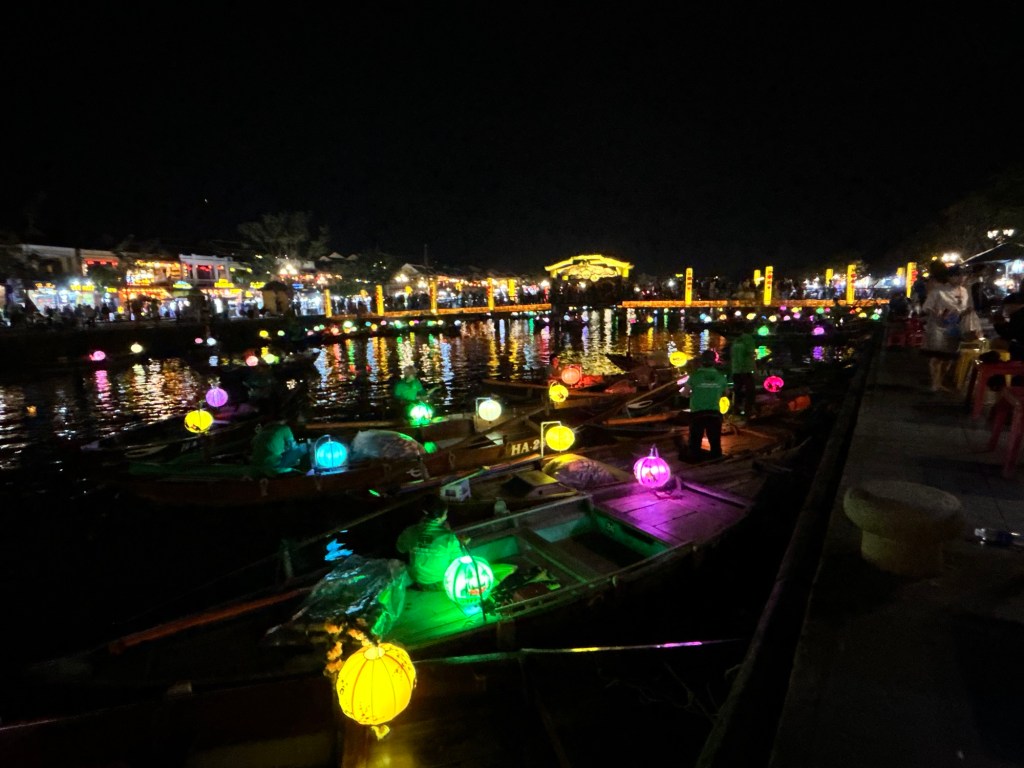
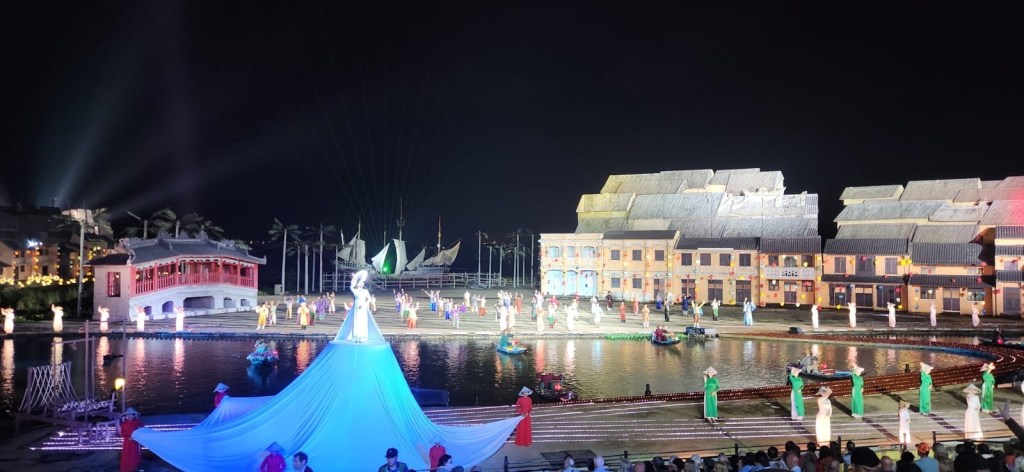
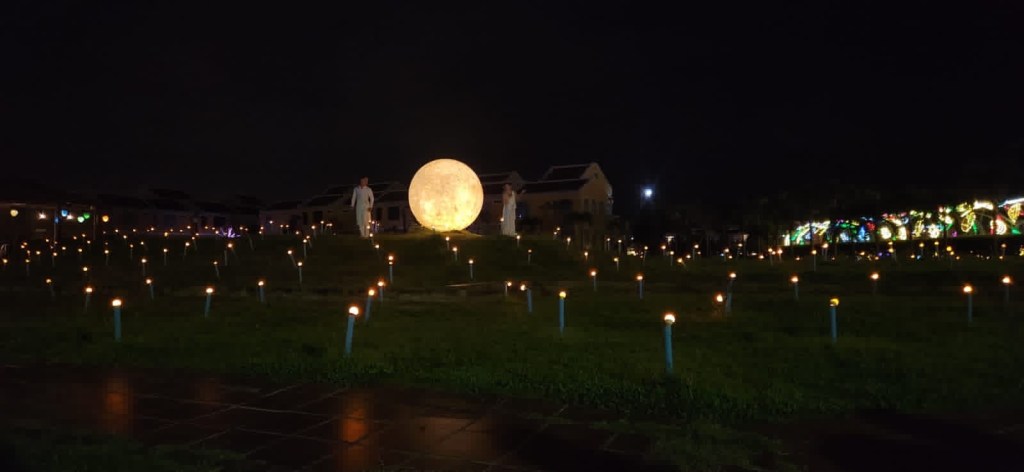
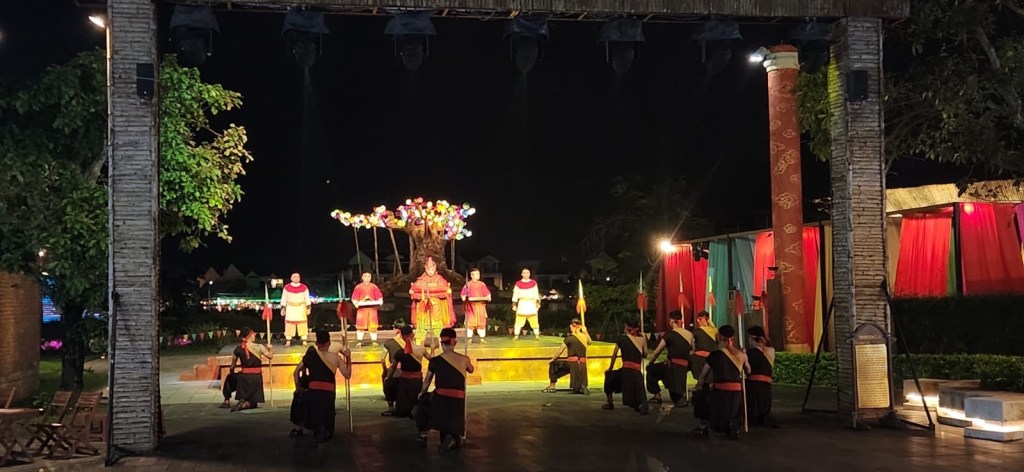
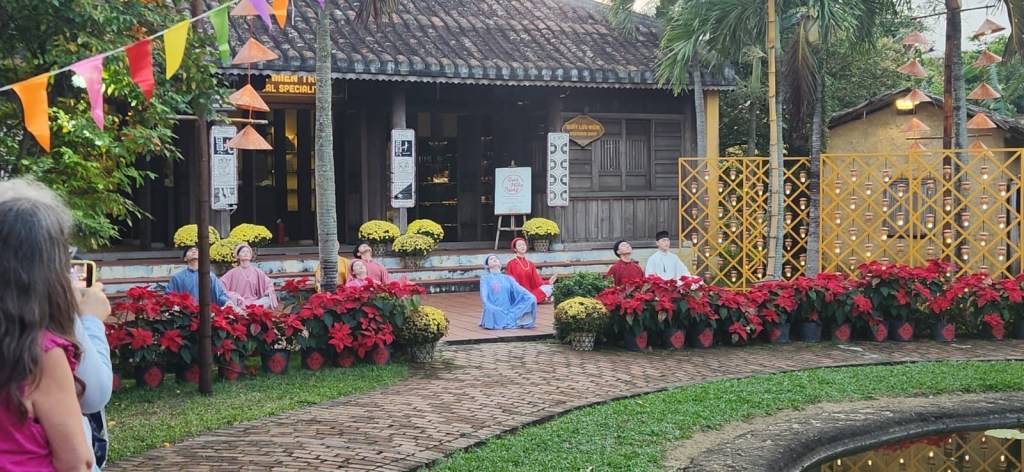
The highlight of our time in Hoi An was watching the Hoi An Memories Show, an immersive, large-scale performance set on its own island. We wandered through themed mini-performances throughout the night before experiencing the grand finale—an amazing show with 200+ performers telling the story of Hoi An from past and present through music, dance, and breathtaking visuals. It was a stunning show, bringing the city’s rich heritage to life in the most beautiful way.
Exploring Hue: Vietnam’s Ancient Capital
Stepping into Hue felt like stepping back in time. Once the imperial capital of Vietnam during the Nguyen Dynasty (1802-1945), Hue is a city rich in history, culture, and stunning architecture. Hue is the home to the grand Imperial City, a UNESCO World Heritage Site that was once the political and cultural heart of Vietnam. Within its ancient walls are palaces, temples, and royal courtyards that tell the story of Vietnam’s last emperors.
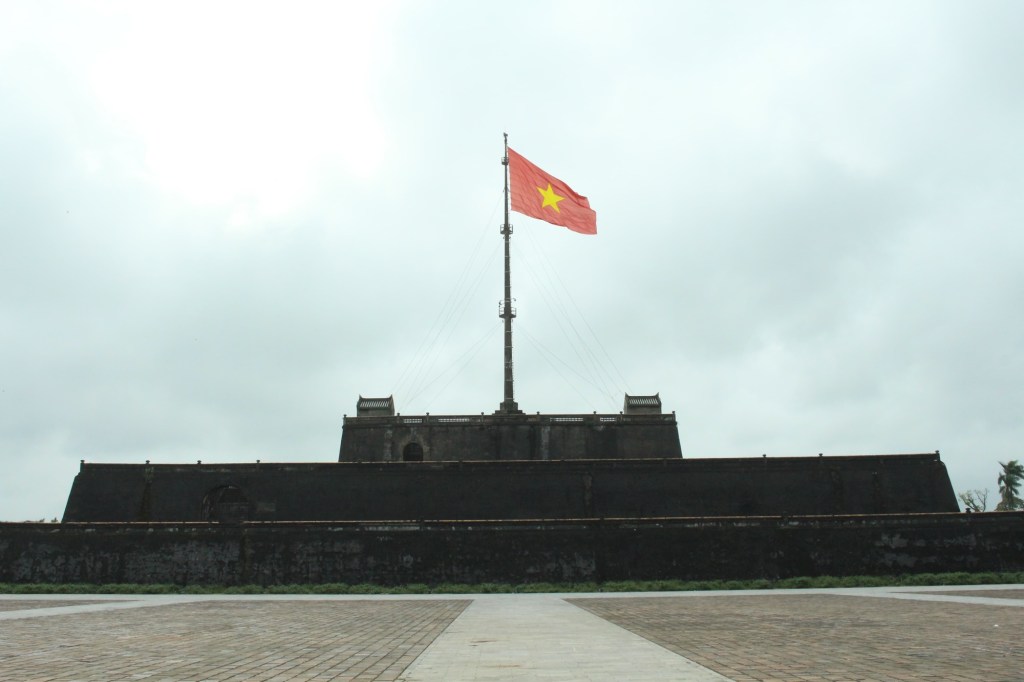
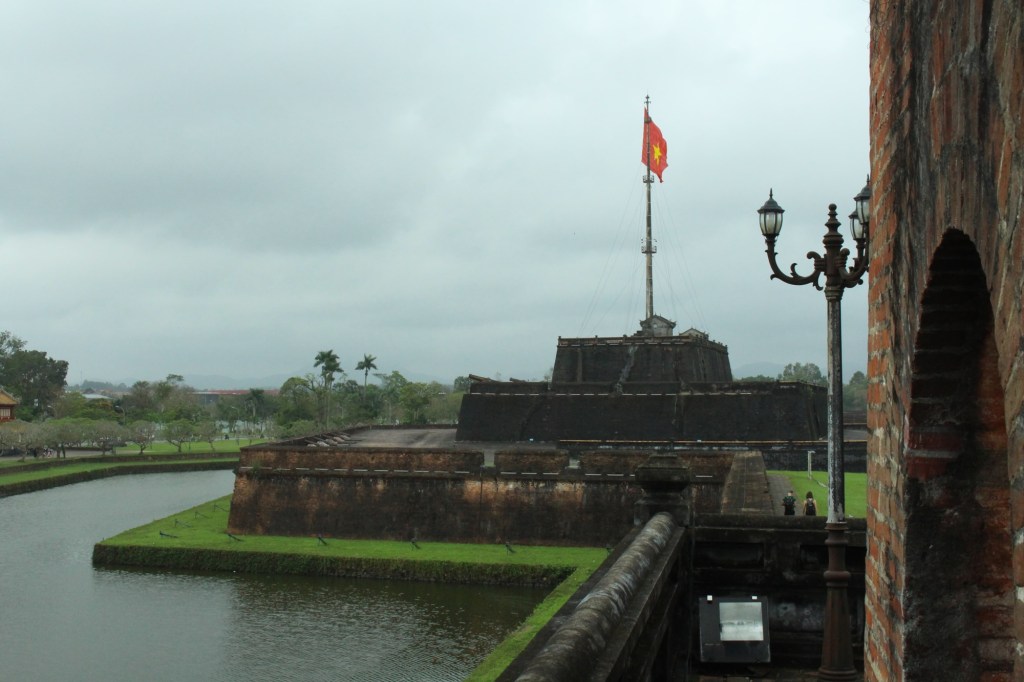
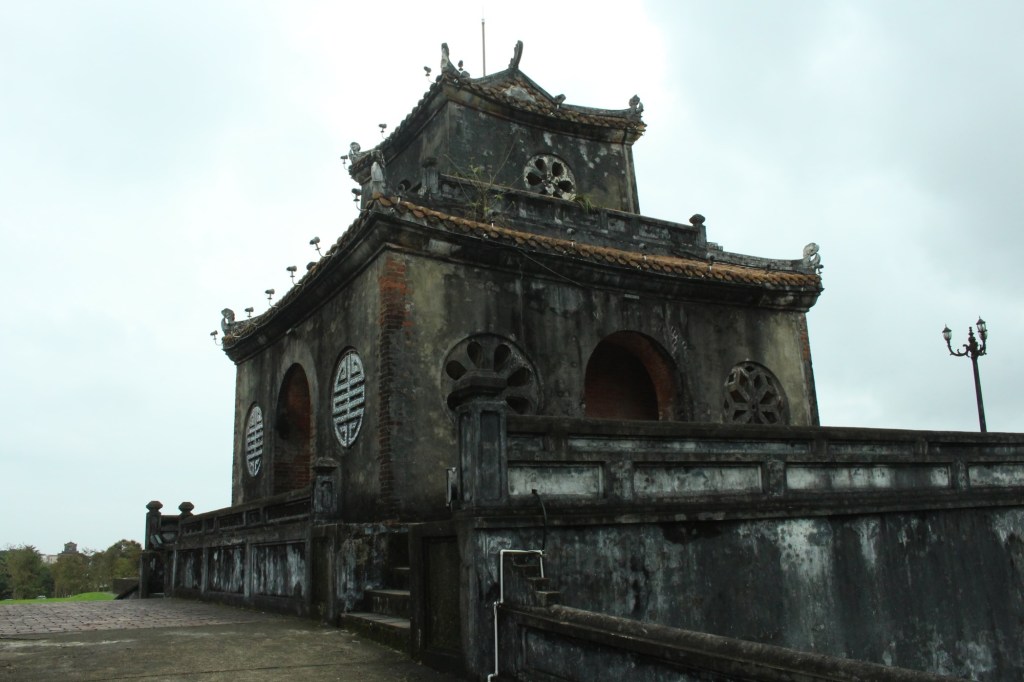
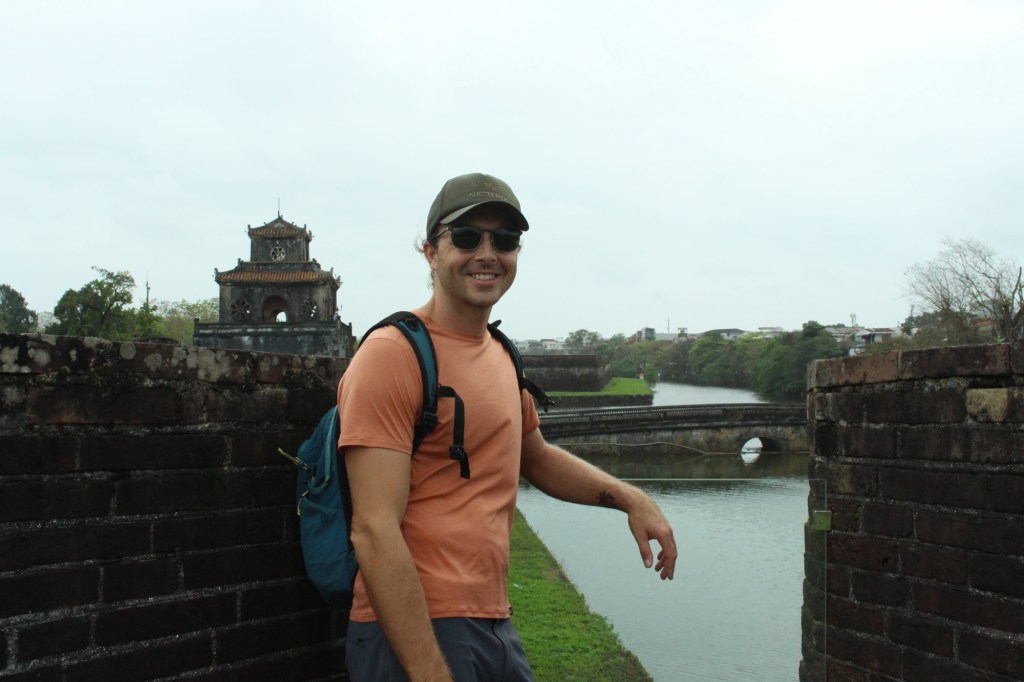
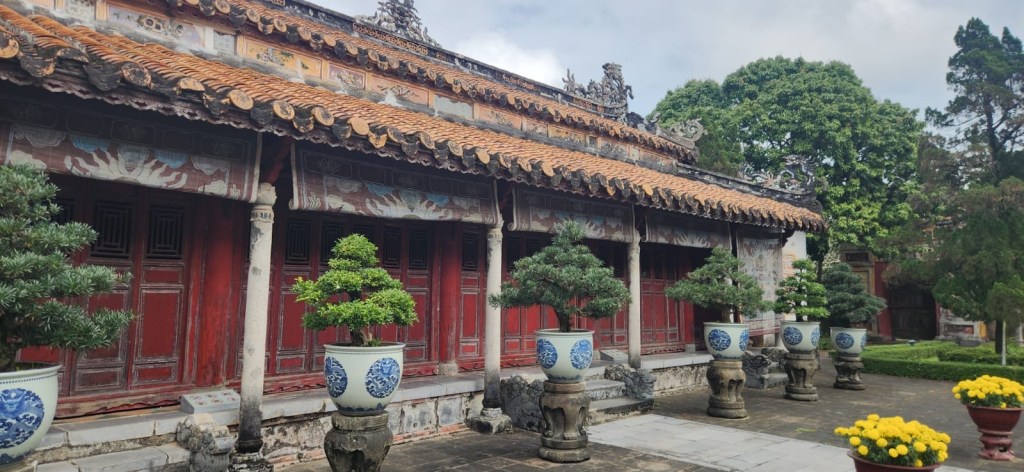
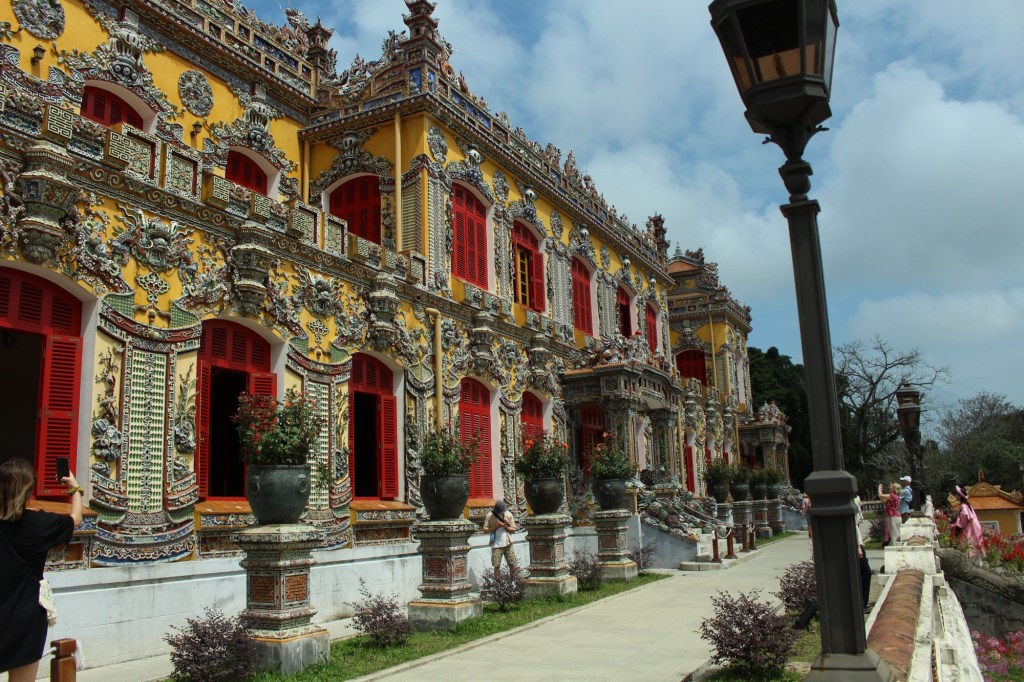
As Hue is the ancient capital of Vietnam, the history dates back thousands of year’s, and includes ancient relics, mausoleums of prior rulers and the remains of many buildings, several having been rebuilt after times of war and unrest. Hue is dotted with royal tombs, pagodas, and war relics, each offering a glimpse into the country’s past. We decided to get scooters to explore some of the tombs and pagodas further outside of town, however, we chose to do so on a day that poured rain, but as always, we made the best of the day!
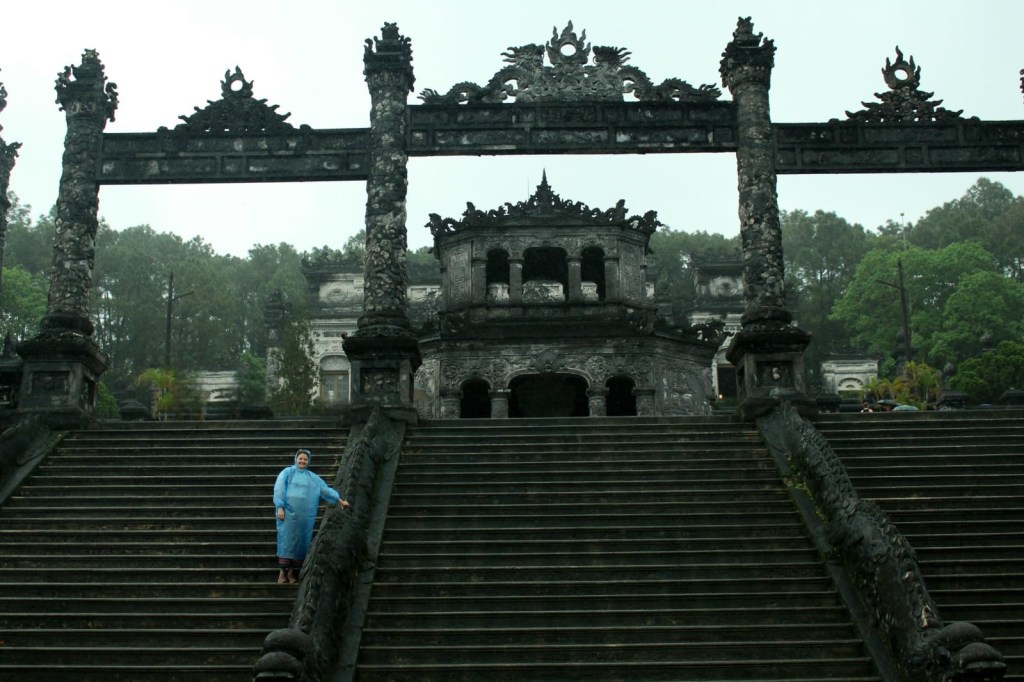
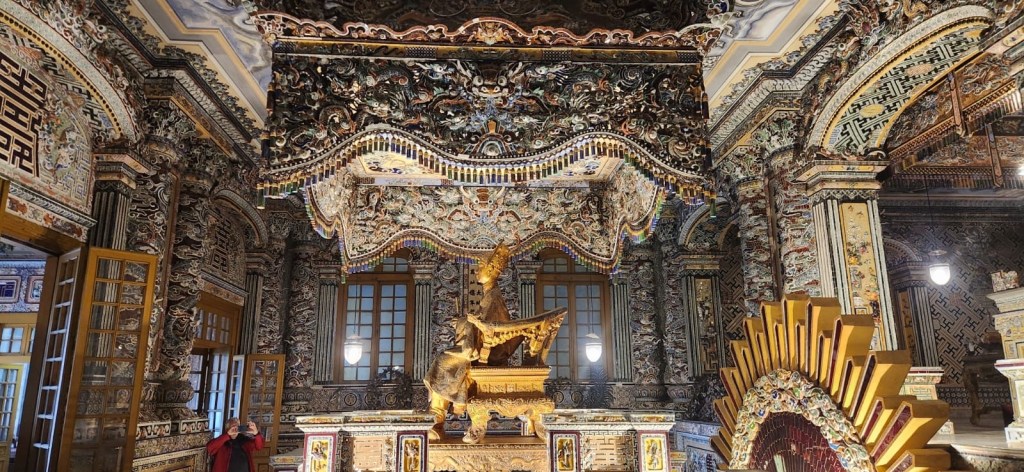
We visited two separate areas, the first being the Mausoleum of Emperor Khai Dinh and the second Mausoleum of Emperor Minh Mang.
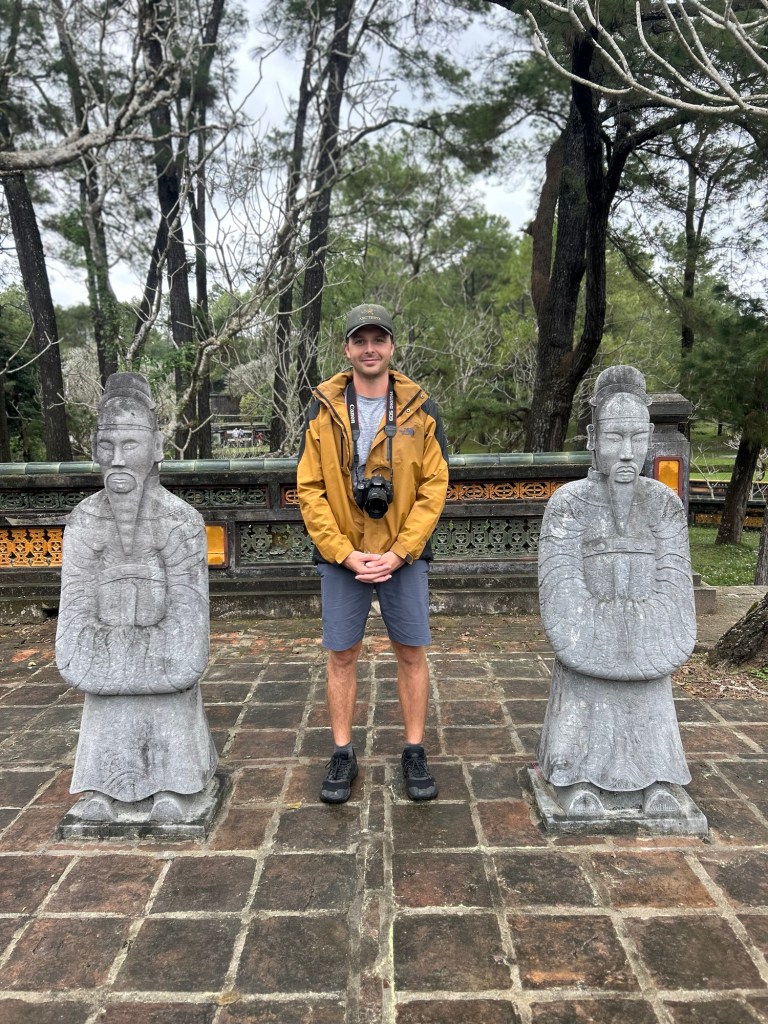
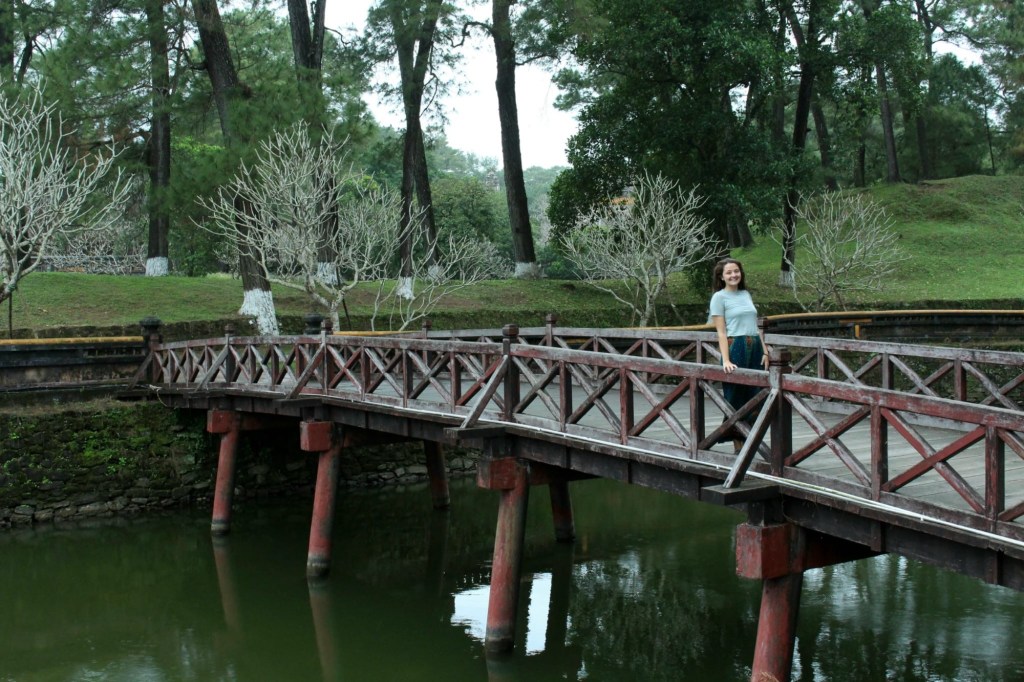
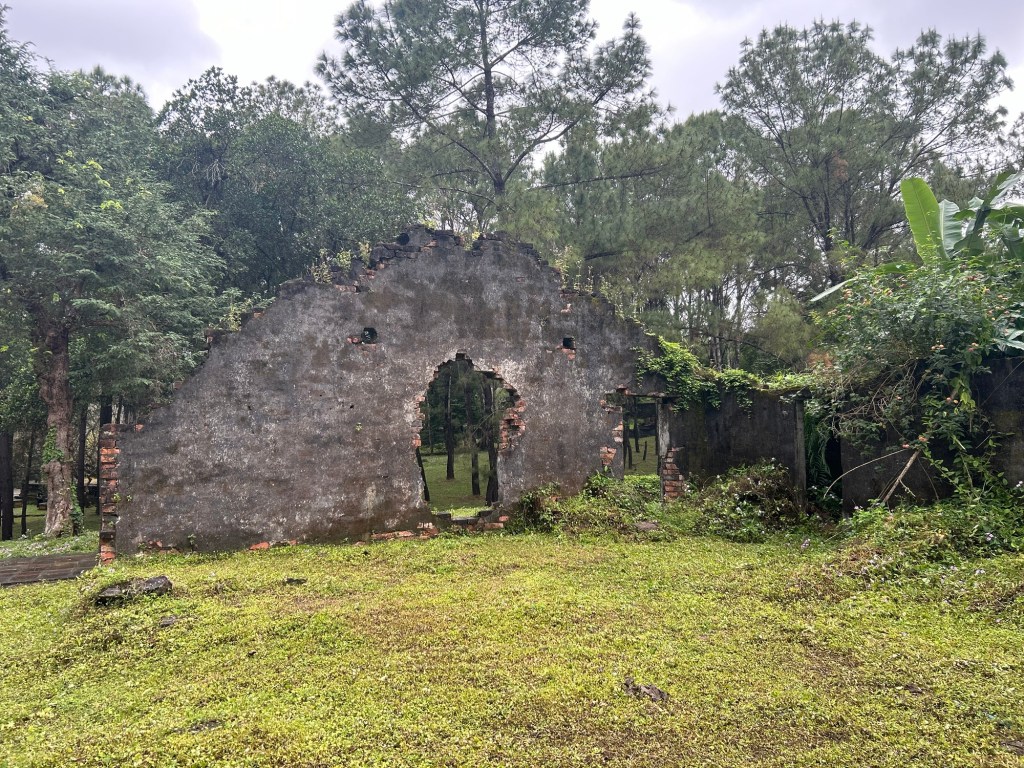
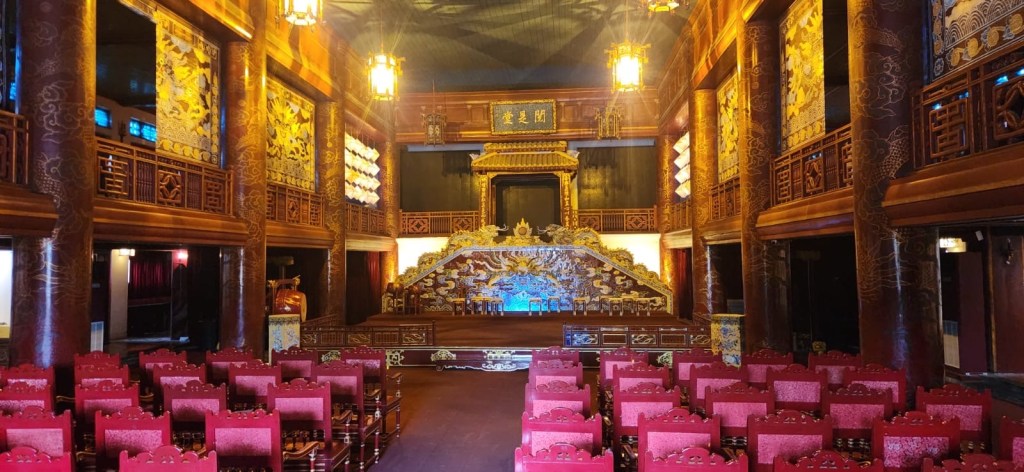
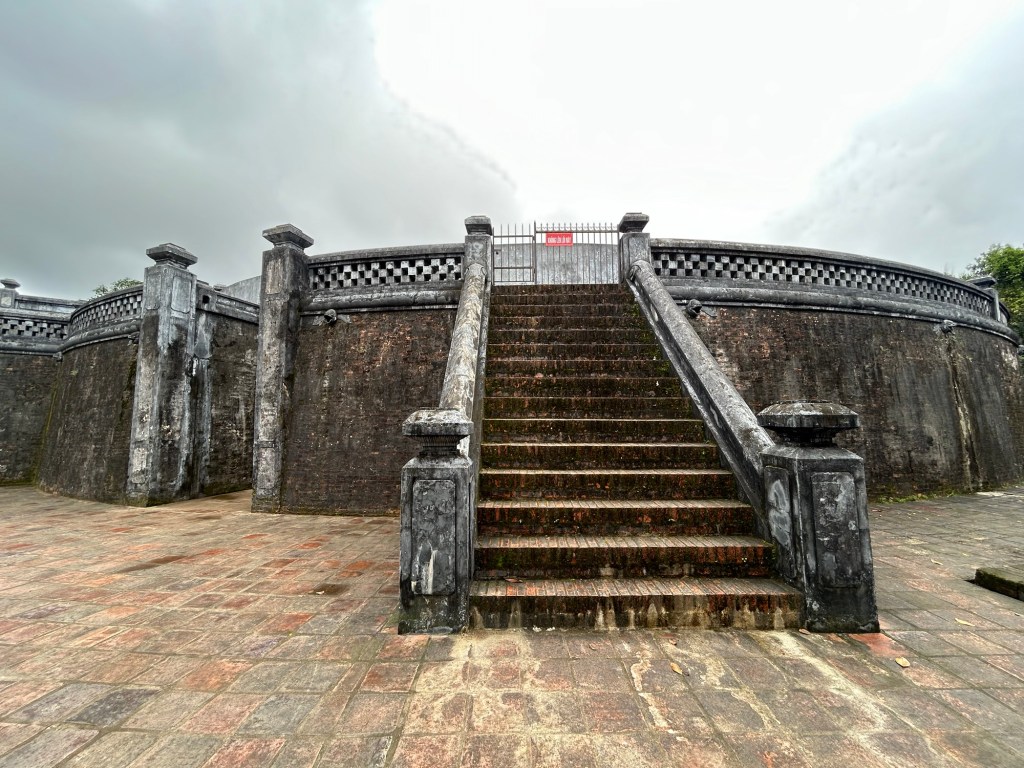
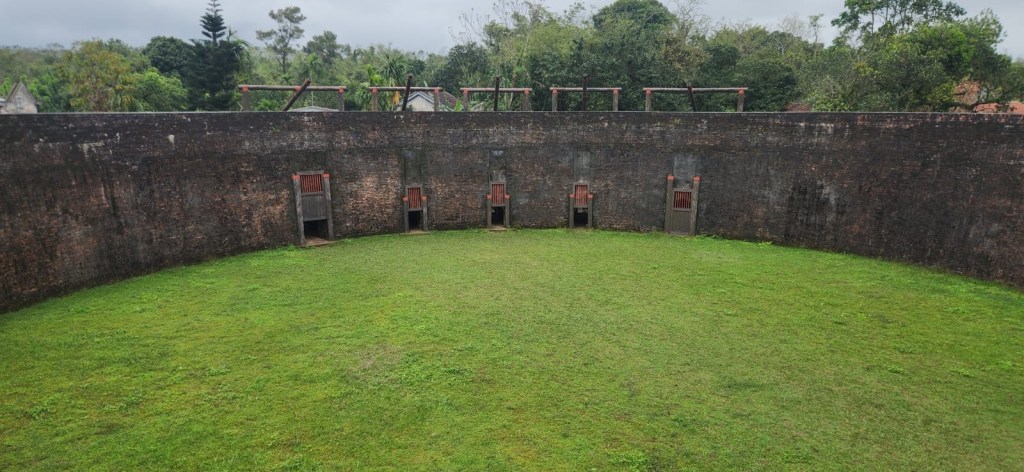
Tucked away in the heart of modern Hue, Ho Quyen Arena is a fascinating relic of Vietnam’s imperial past. Built in the 1830s, this stone amphitheater once hosted dramatic battles between elephants and tigers—but these weren’t ordinary fights. The elephants, who represented the Nguyen Dynasty’s power, were always meant to win. To ensure this, the tigers were de-clawed and drugged, symbolizing the suppression of rebellion.
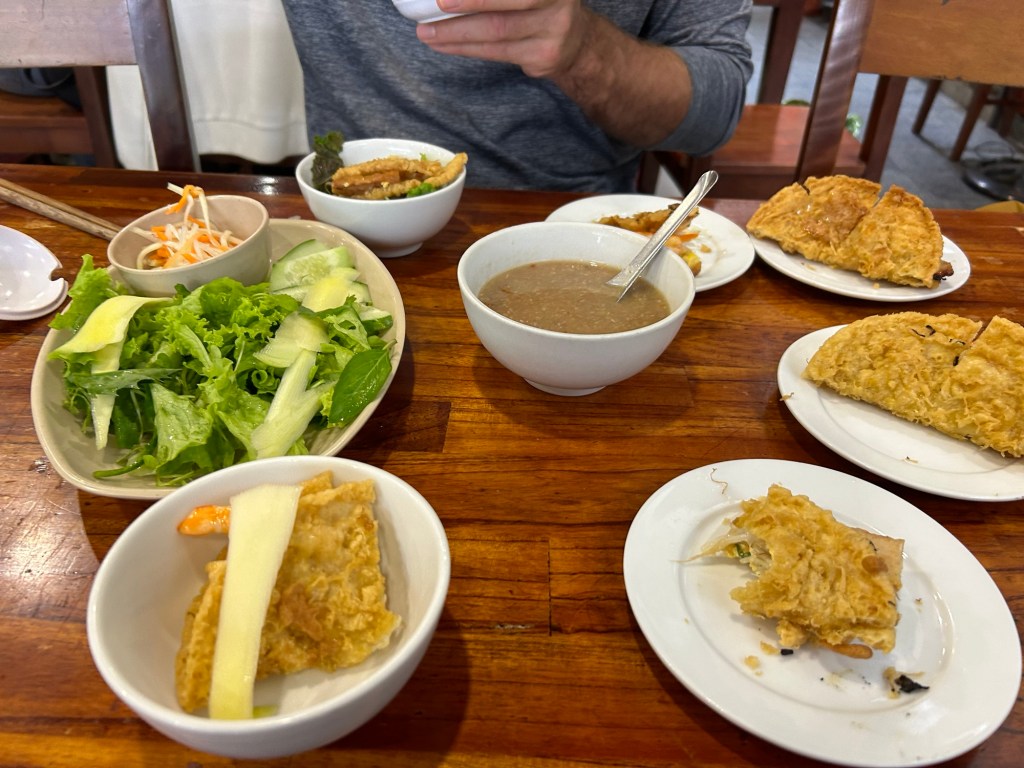
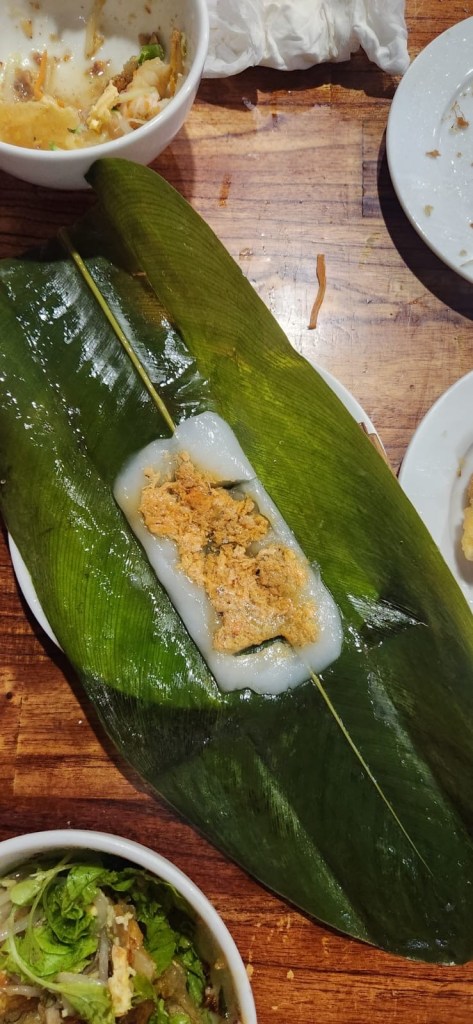
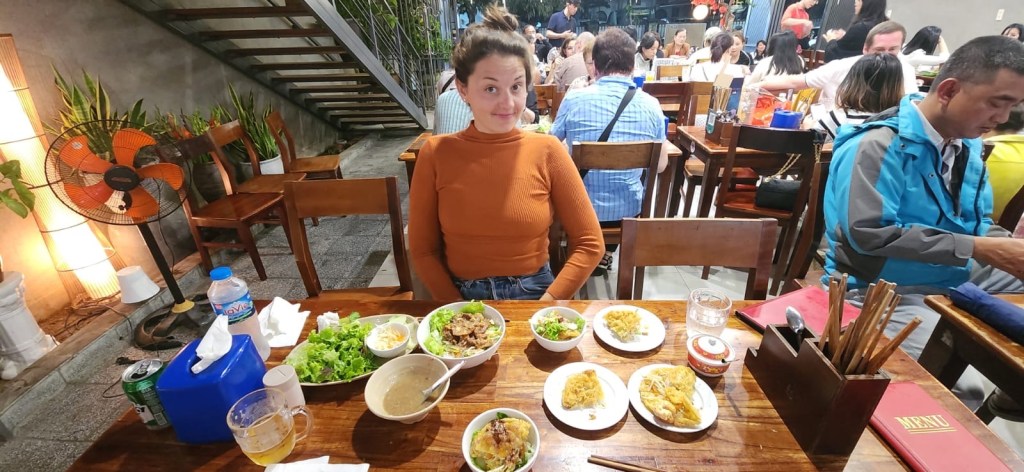
But Hue isn’t just about history—it’s also known for its unique cuisine. We found Hue had the BEST food we ate in Vietnam, and maybe even in Southeast Asia. When we checked into our hotel, we were provided a list of things mapped out and shared with us on Google maps ranging from viewpoints to restaurants, and these were the hot spots for restaurants, we were never disappointed.
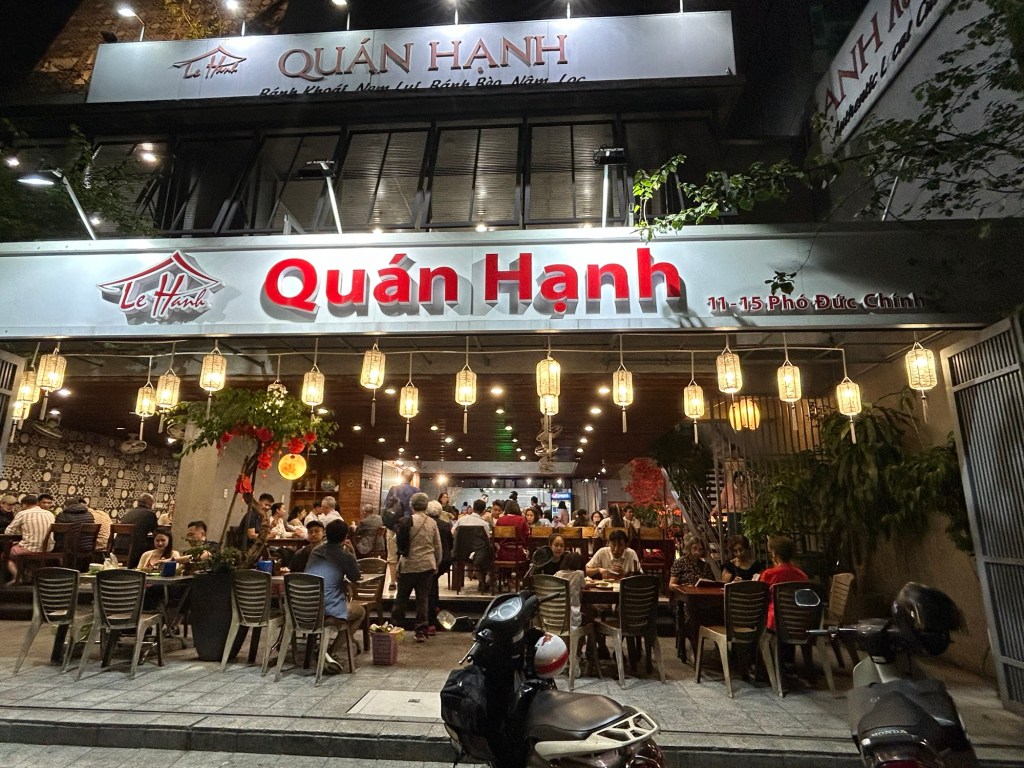
Traveling from Hue to Hanoi by night bus was an adventure in itself. The 13-hour bus journey with no toilet on board and sporadic rest stops. We arrived earlier than expected, and booked an impromptu hotel for our 4:30 AM arrival, where we were able to crash until mid-morning before transferring to our next stay. While not the most glamorous journey, it was an efficient (and memorable) way to travel across Vietnam.
Hanoi part 1: History & More Food
Hanoi is the modern day capital city of Vietnam. After having stayed in HCMC, we decided to stay in the Old Quarter, known for its bustling streets, historic architecture, and incredible street food. This district, which dates back over 1,000 years, is a maze of narrow streets, each traditionally named after the goods that were sold there, such as Hang Bac (Silver Street), Hang Gai (Silk Street), and Hang Duong (Sugar Street). Every city in SE Asia seems to come alive at night and Hanoi was no acceptation. At night, the Old Quarter transformed into a vibrant hub with night markets, street performances, and a mix of traditional and modern nightlife.
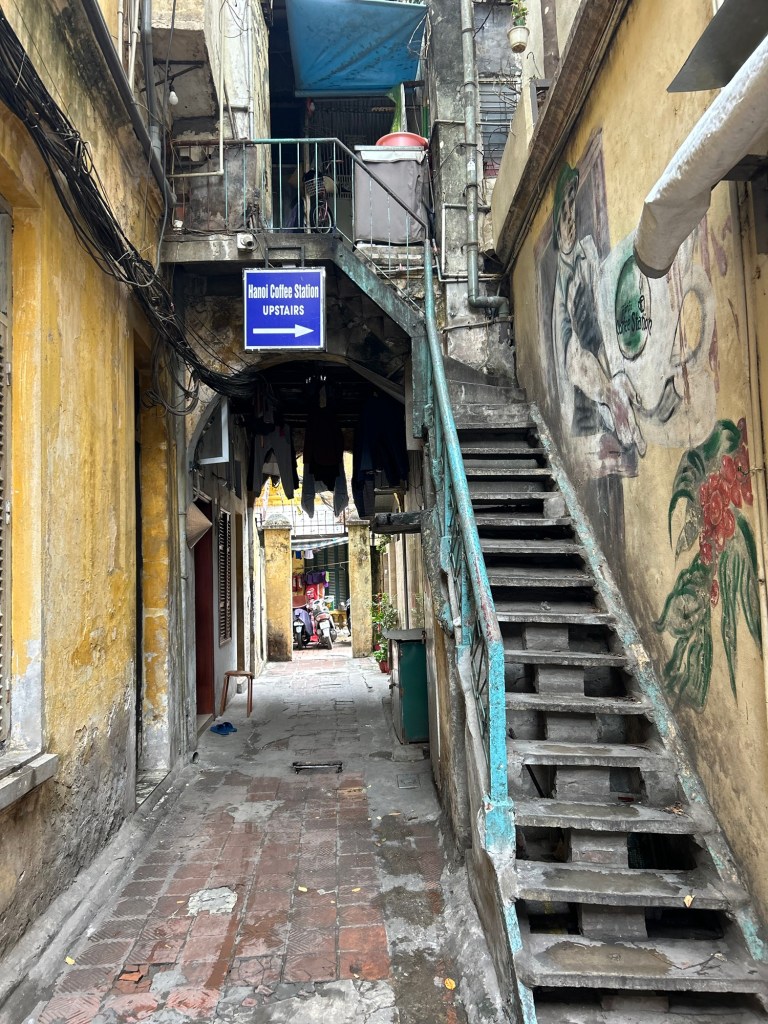
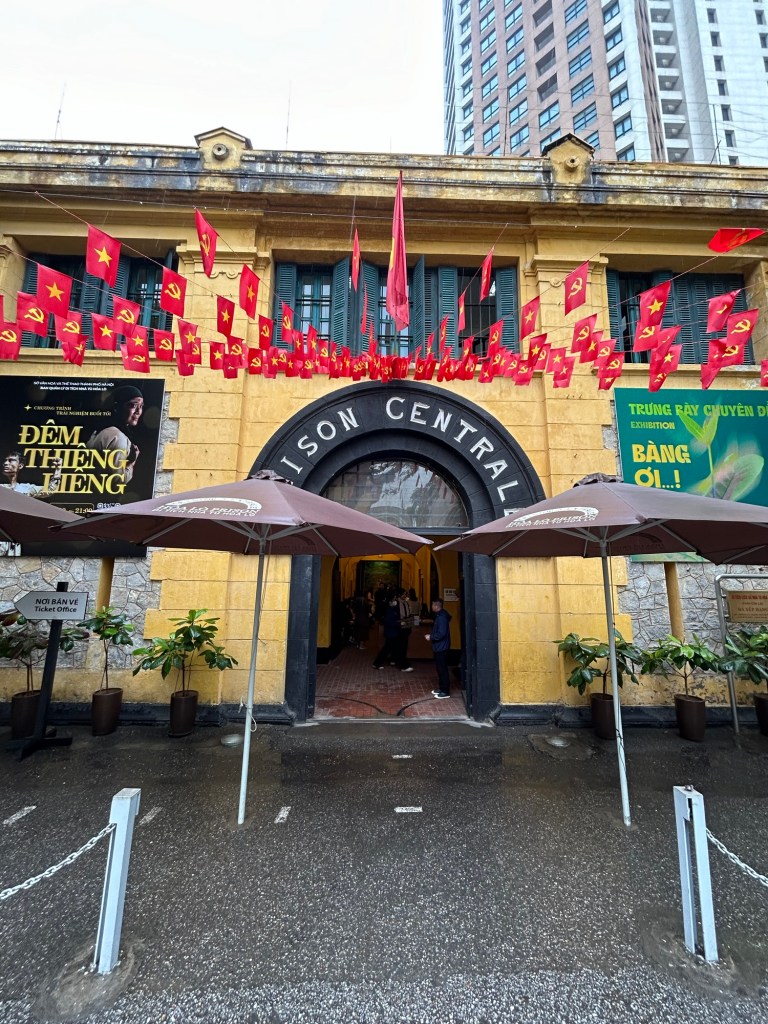
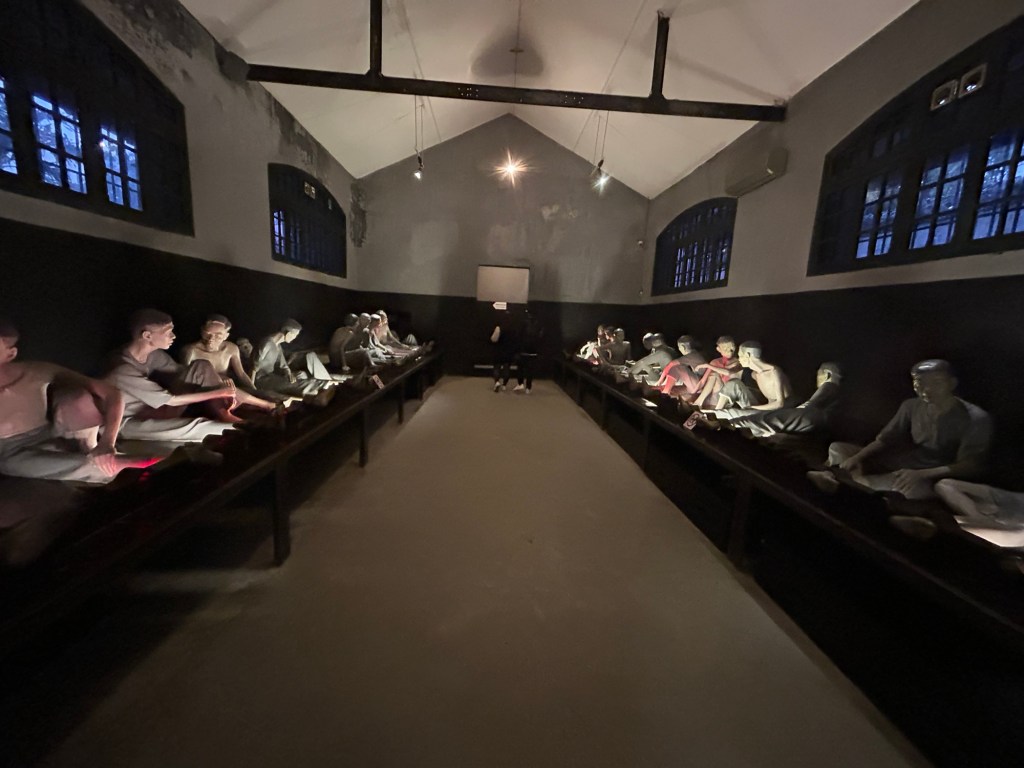
In Hanoi, we started with a walk to Hoan Kiem Lake, a peaceful spot in the heart of the city, and then a deep dive into Hanoi’s history and culture. We visited Hoa Lo Prison, expecting more insight into Vietnam’s view of the war with America, but instead, it focused primarily on the country’s struggle under French occupation, with a brief and overly positive (and very surprising) mention of the treatment of American POWs.
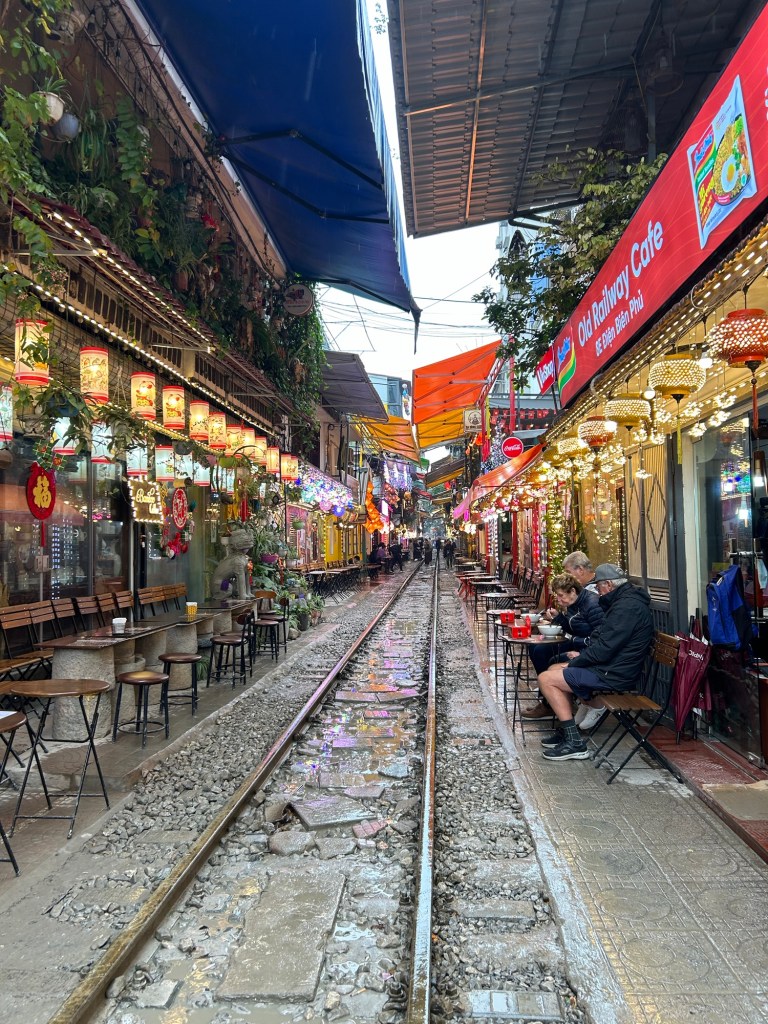
We wandered down Train Street, a narrow, lively alley where trains pass just several inches from buildings.
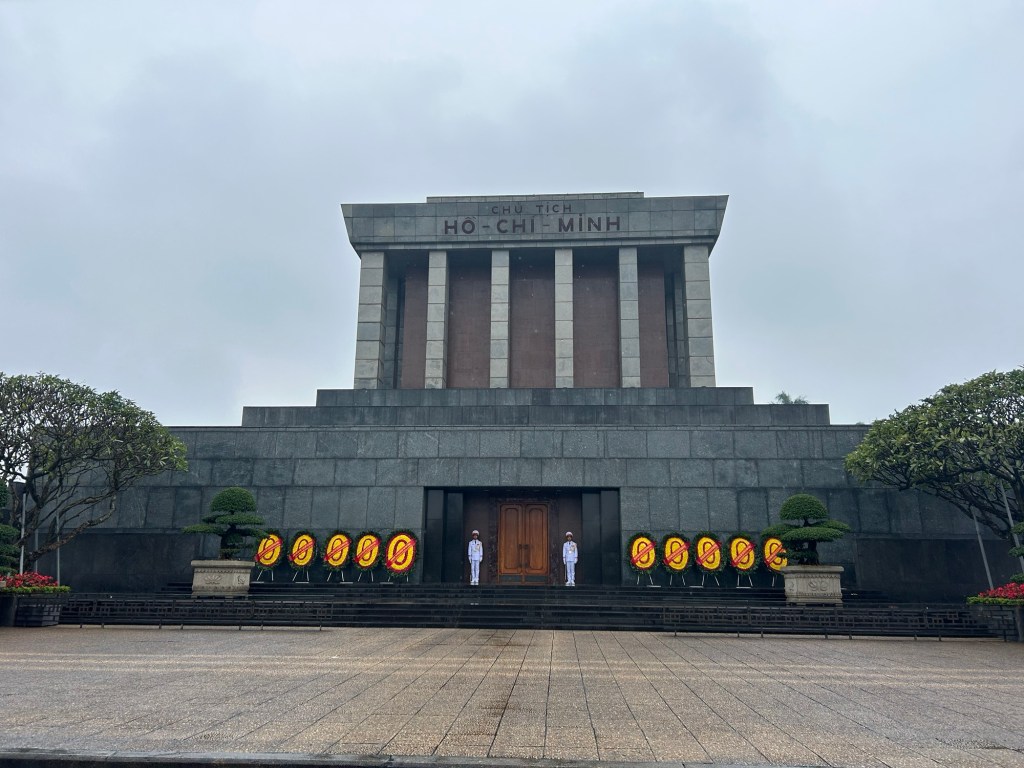
Our visit to the Ho Chi Minh Mausoleum and Museum was eye-opening, filled with strong communist propaganda that made it difficult to take in objectively.
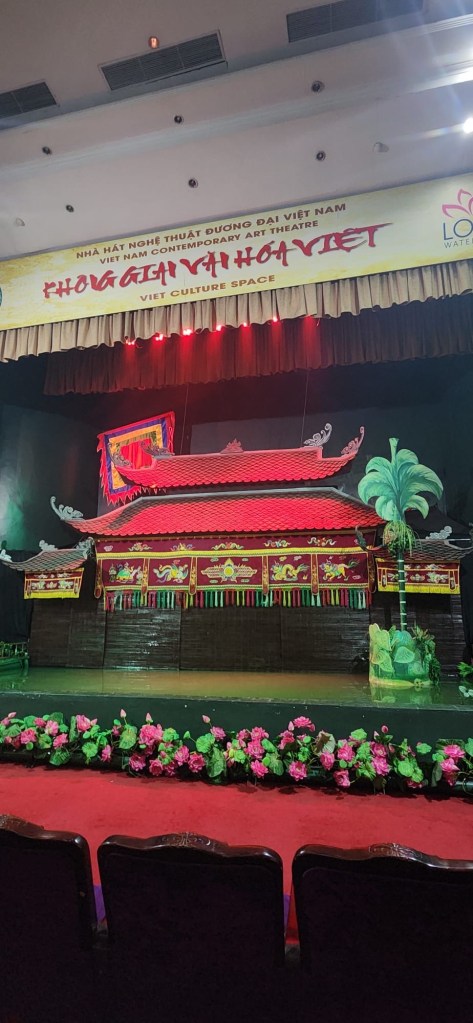
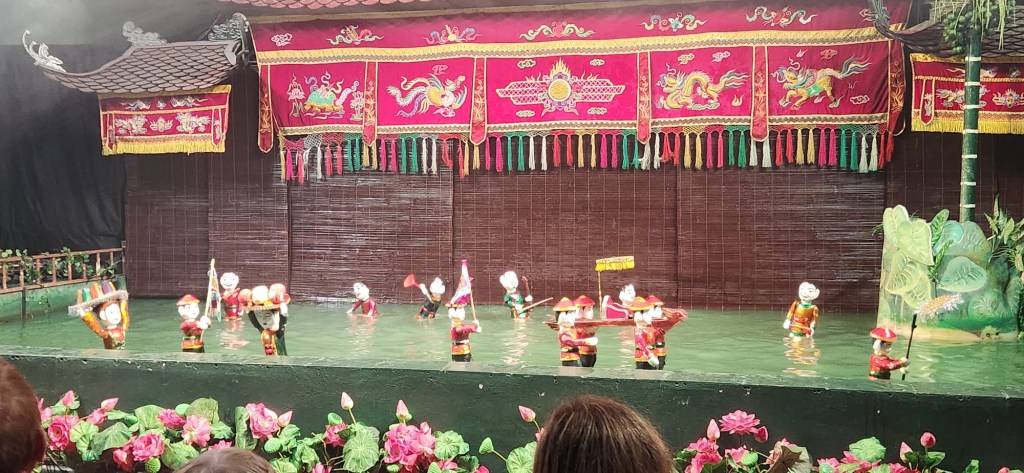
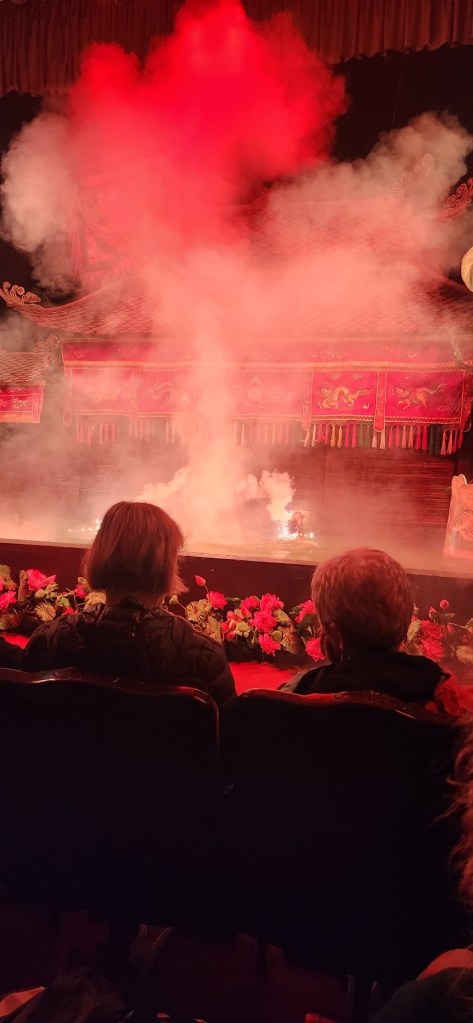
We treated ourselves to a Michelin-rated bowl of pho at Pho 10, where the only option was variations of beef pho—simple, but absolutely delicious. The night ended with a traditional water puppet show, a captivating performance with live music, intricate puppetry, and storytelling that left us thoroughly impressed.
4 Days of the Ha Giang Loop
The trip we’ve been waiting for! We’ve prepared on scooters for months, excited to venture out on a solo journey. The Ha Giang Loop is one of the most breathtaking motorbike routes in Vietnam. The loop typically takes 3 to 5 days to complete, starting and ending in Ha Giang City.
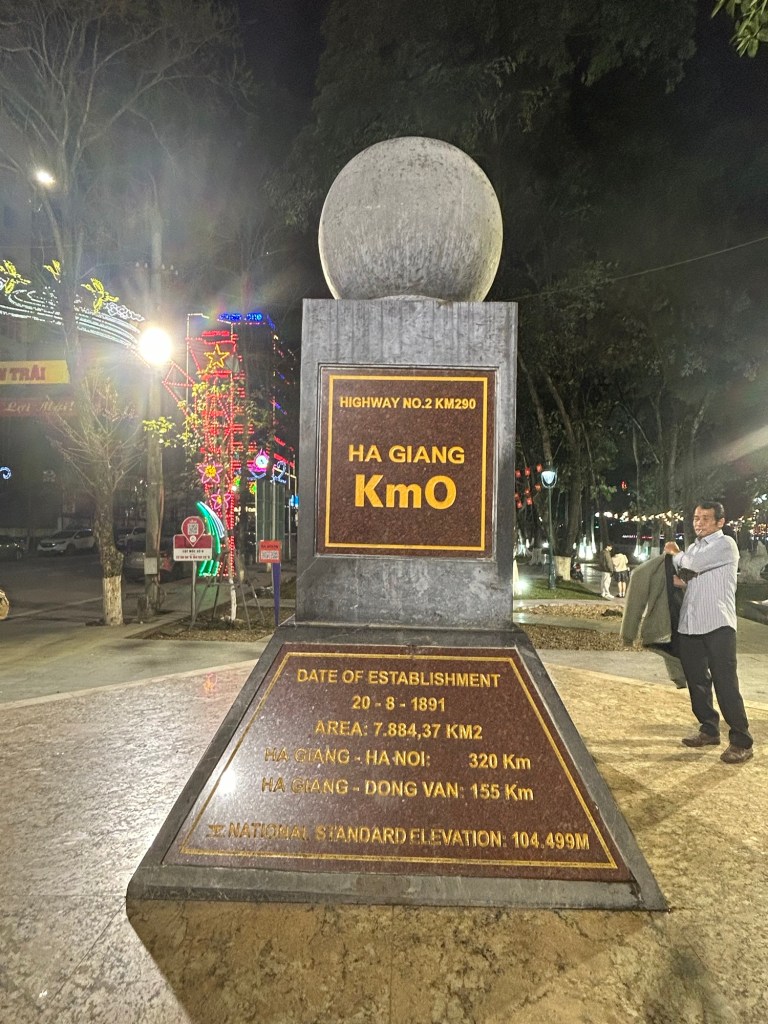
Our journey to Ha Giang started with a seven-hour sleeper bus ride from Hanoi. The bus was cramped, with a single-seated layout, and had only one bathroom stop and a quick lunch break. Along the way, Mat had a bizarre run-in with the bus staff when they confiscated his Bánh mì due to a supposed “no food policy” (which wasn’t mentioned anywhere). After a brief argument—and almost getting kicked off—he managed to get it back.
When we arrived at our hostel, we found out that although our motorbike rentals were solid, we couldn’t legally drive them due to Vietnam’s adoption of the 1968 International Driving Convention in January 2025, which didn’t recognize our international licenses we acquired before leaving Canada. So, we quickly pivoted our plan and hired easy riders—local guides who would drive us through the loop.
Ha Giang Loop – Day 1
Our adventure on the Ha Giang Loop officially began after a quick breakfast, where we met our easy riders, Hai and Thang, who would be guiding us for the next four days. After packing up, we fueled up in town and hit the road.
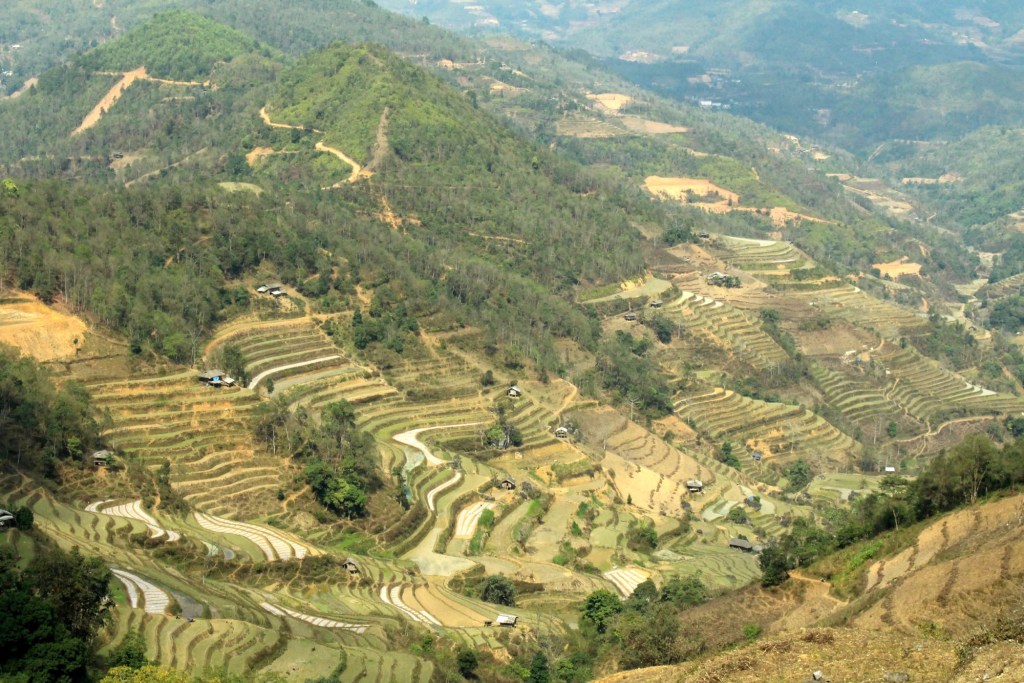
The scenic stops started about 30 minutes outside of town, each one offering increasingly breathtaking views of rice terraces, green valleys, and rugged mountains. We learned that in some areas, corn is grown instead of rice because the land is too dry. The morning started overcast, but by the afternoon, the sun broke through, lighting up the landscape beautifully.
Lunch was an unexpected feast—we thought we were ordering beef and chicken, but instead, they brought out eight dishes served family-style, including rice, fries, fried pork, chicken, beef, cabbage, soup, and a green vegetable we didn’t recognize. Needless to say, we left stuffed!
One of the highlights was visiting a locally run hemp workshop, where we saw the entire traditional process of making hemp fabric. The raw plant is stripped, pounded with wooden tools, boiled multiple times, dried, and finally woven into fabric. We even got to see how beeswax is melted and applied to create decorative designs.
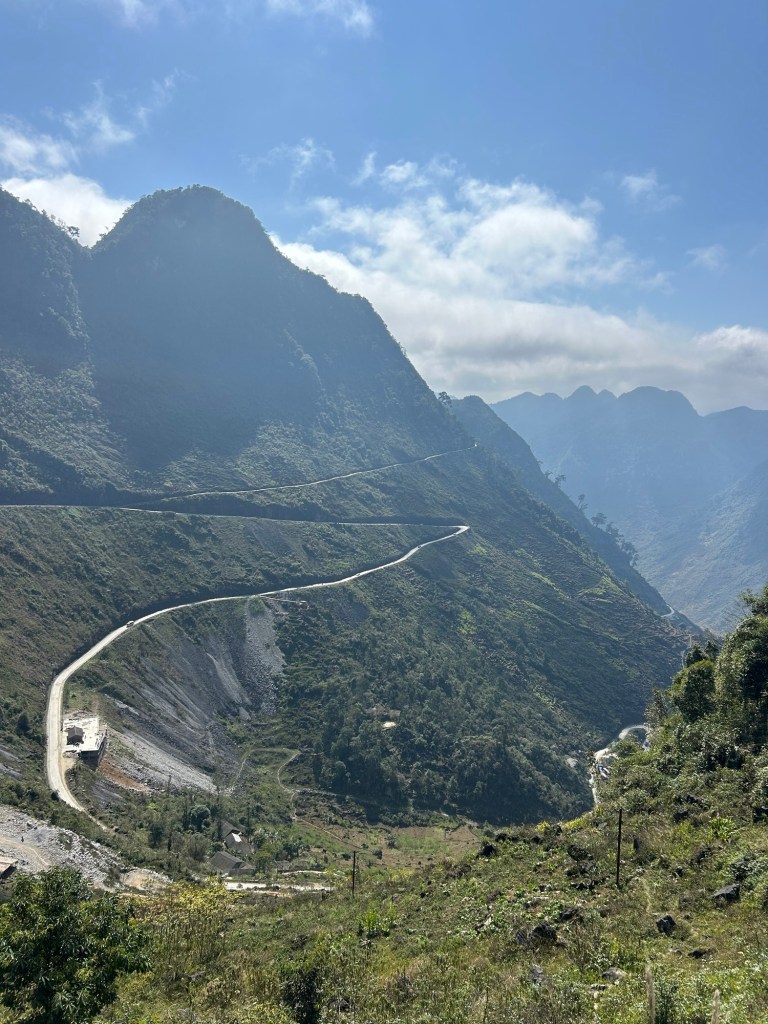
Later in the afternoon, we reached a particularly steep and winding hill, which our drivers admitted they had never ventured before, so we took it—the views at the top made it totally worth it! From there, we could even see the border of China in the distance.
After a few more scenic stops, we arrived in Yen Minh, our stop for the night. Day 1 we covered about 100 km.
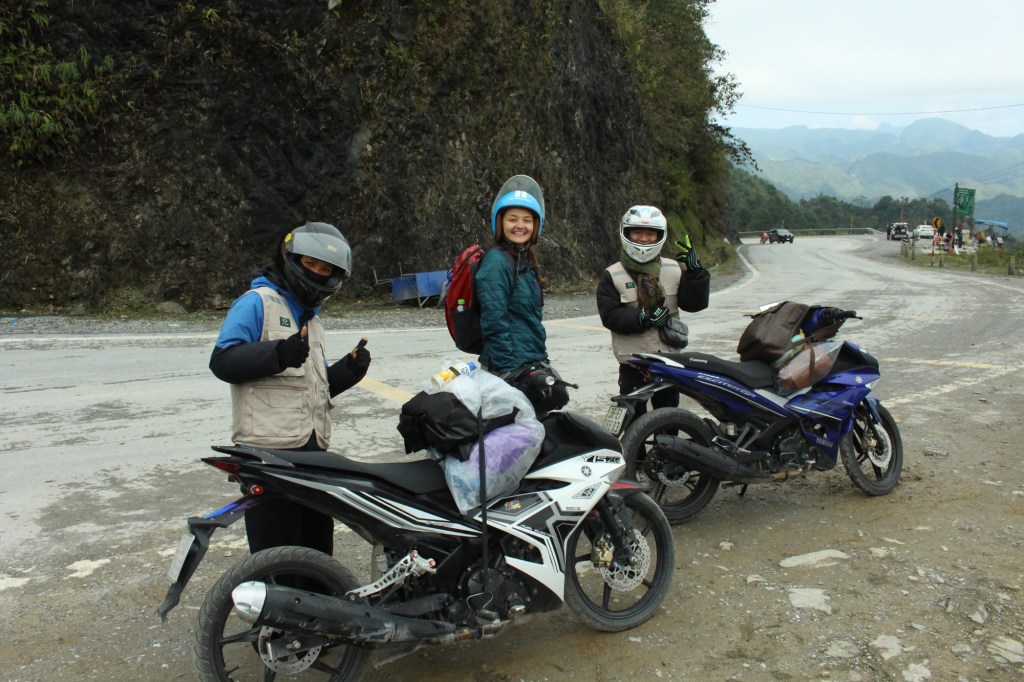
Day 2: Ha Giang Loop – Day 2 Summary (Yen Minh to Dong Van)
Another epic day on the Ha Giang Loop! We started at 9 AM, attempting to get gas but found the stations too crowded. Instead, we continued on, stopping briefly at a lookout to let the traffic pass. Along the route, we encountered packed viewpoints with bikes lined up, so we opted for a quieter spot off the main road, discovering a scenic side loop with almost no tourists—just locals going about their day.
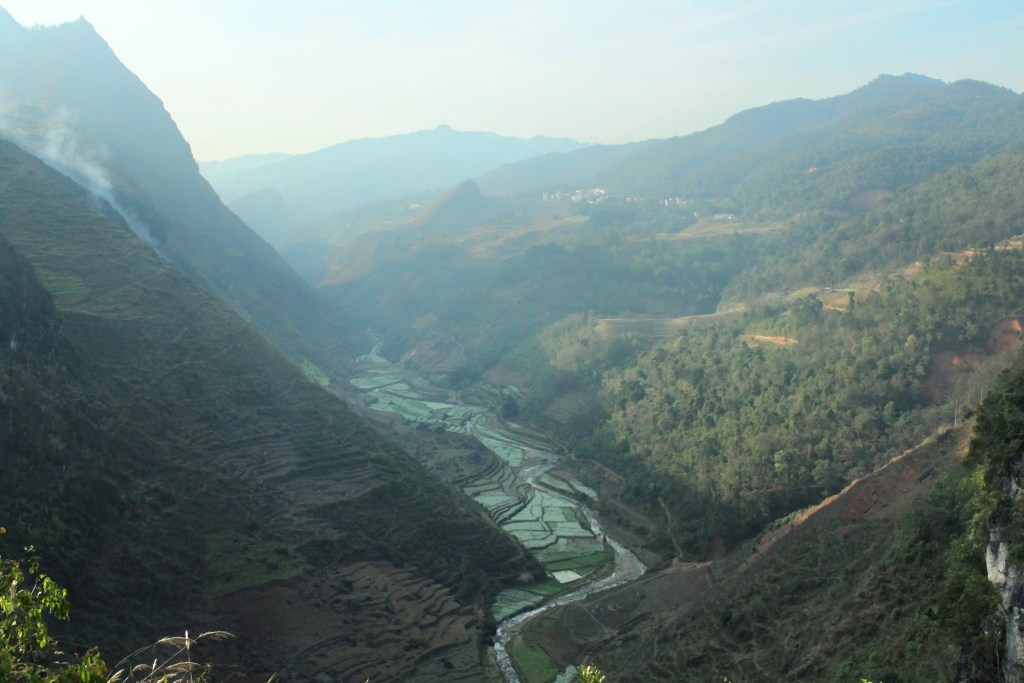
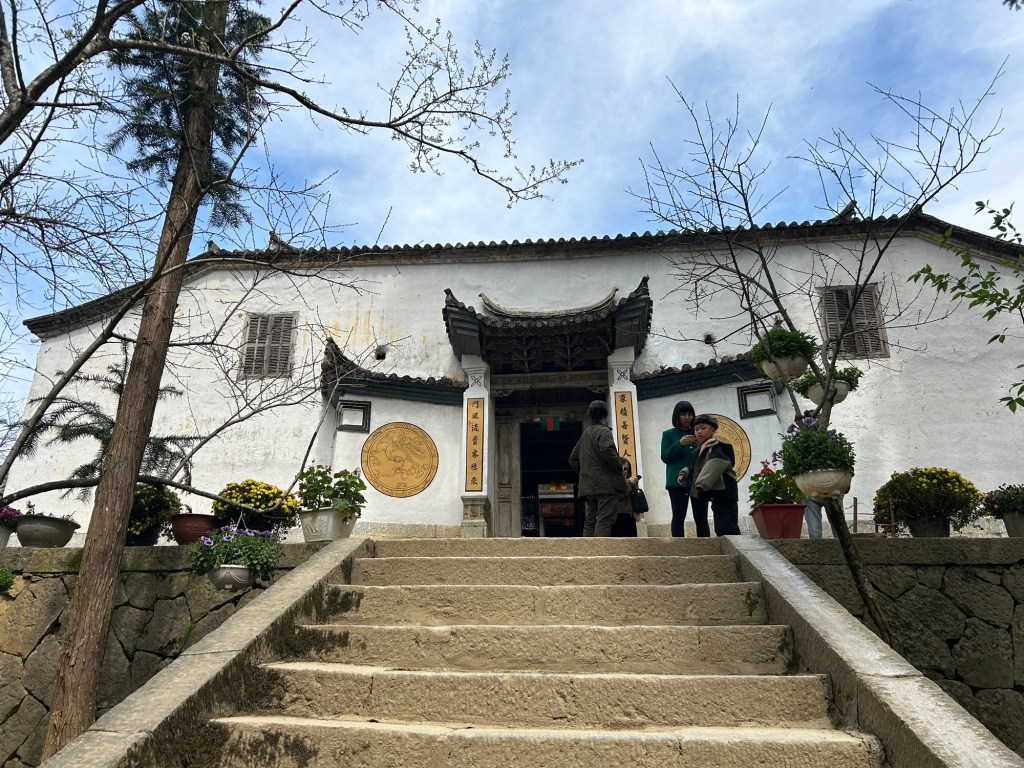
Back on the main road, we visited Dinh Vua Mèo (Hmong King’s Palace), built in the late 19th century by warlord Vuong Chinh Duc, who controlled the region through wealth from the opium trade. The palace, constructed over eight years with the help of Chinese artisans, symbolized the Hmong people’s cultural heritage and political influence, even featuring opium-shaped decor.
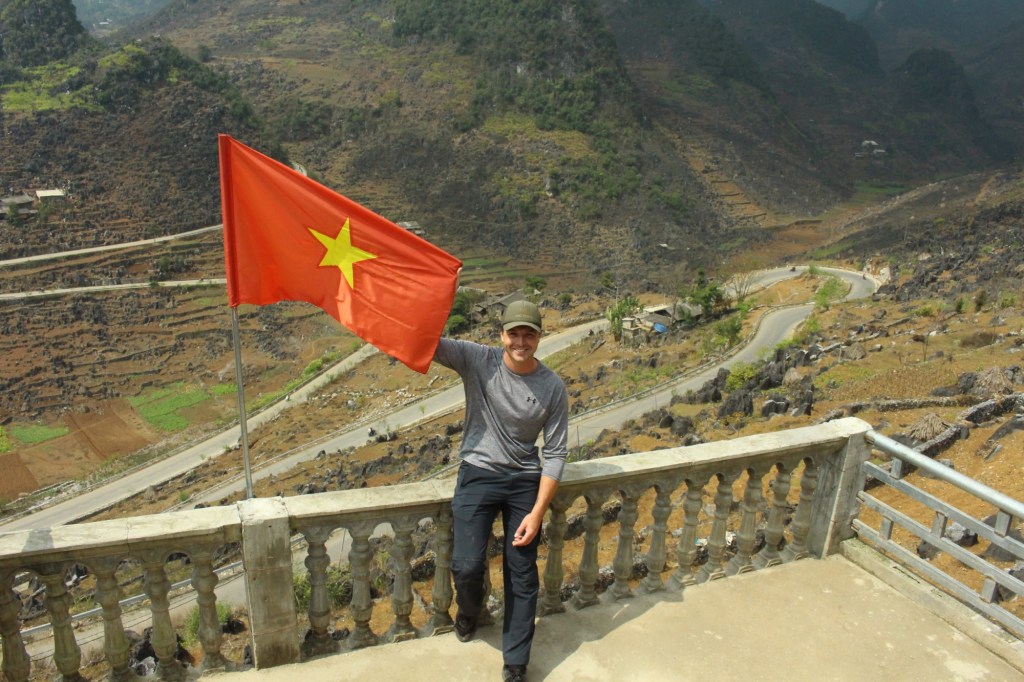
From there, we took a 4-hour(round trip) detour to Lung Cu to visit the flagpole and border marker. Along the way, we stopped at two Chinese-built border fences, reportedly erected around 2019 due to COVID or just before. Previously, locals on both sides freely traded, but the intense fencing now prevents cross-border interaction. We also saw Chinese writing and old border markers indicating past boundaries.
At Lung Cu Flagpole, we climbed to the top before heading further to Vietnam’s northernmost point. The route featured a steep valley and a large border wall with Chinese watchtowers. The views were breathtaking.
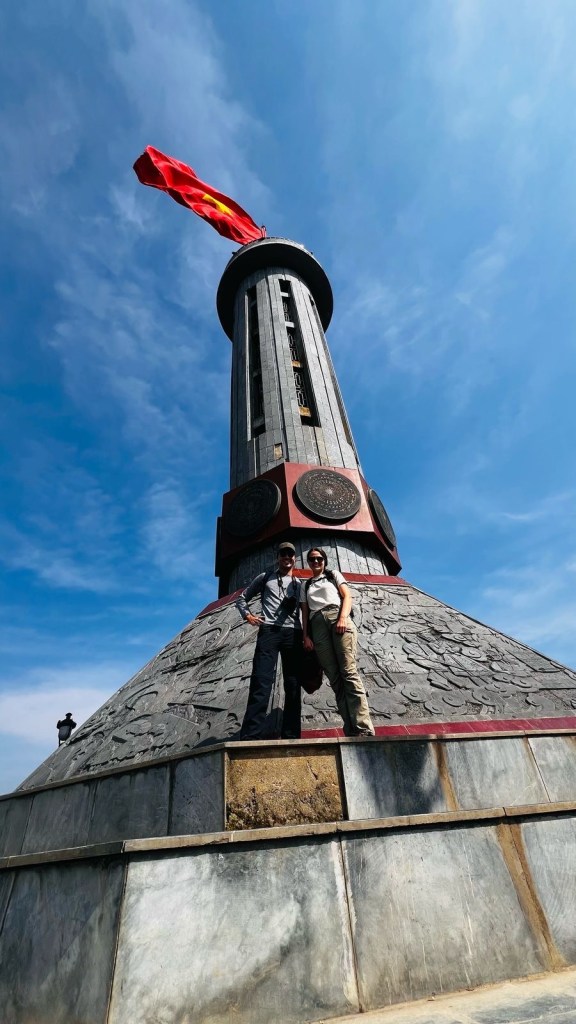
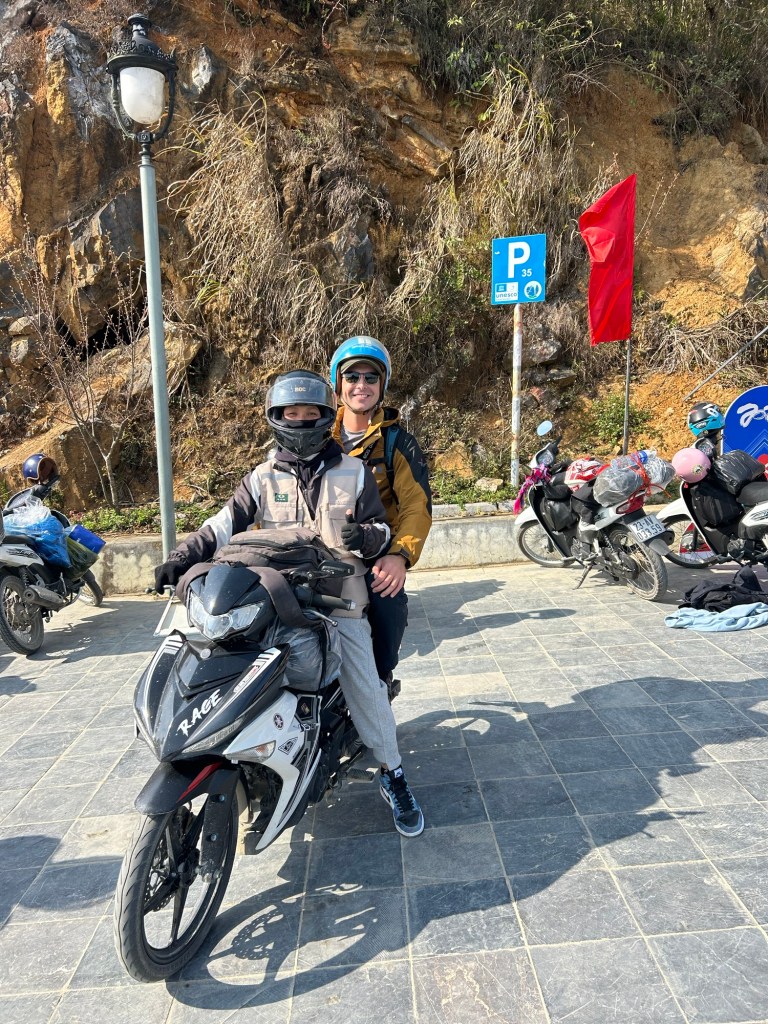
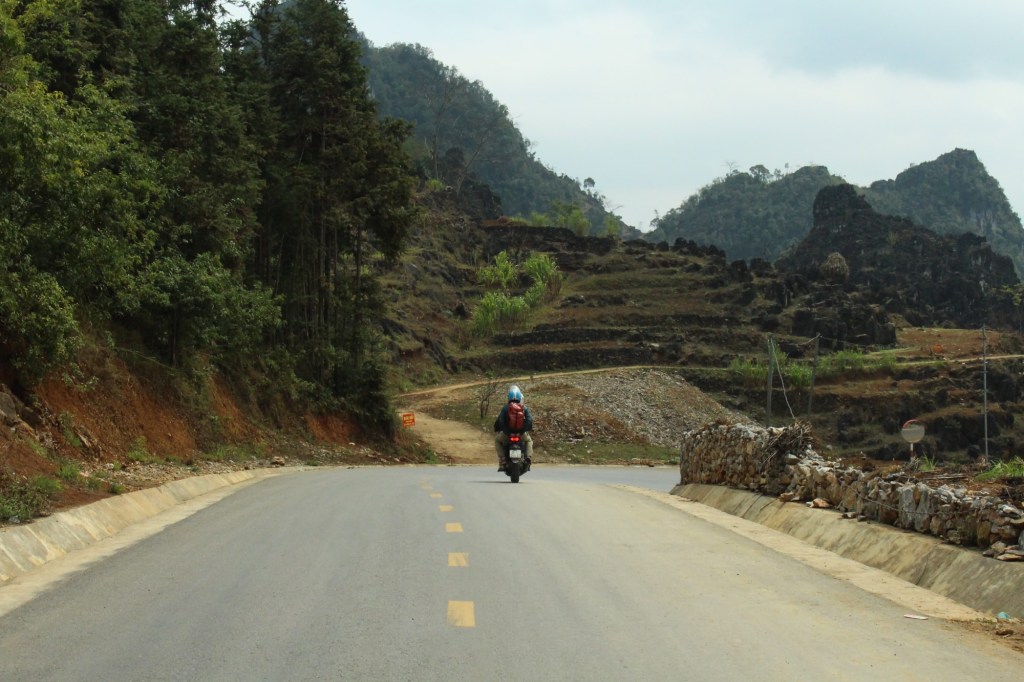
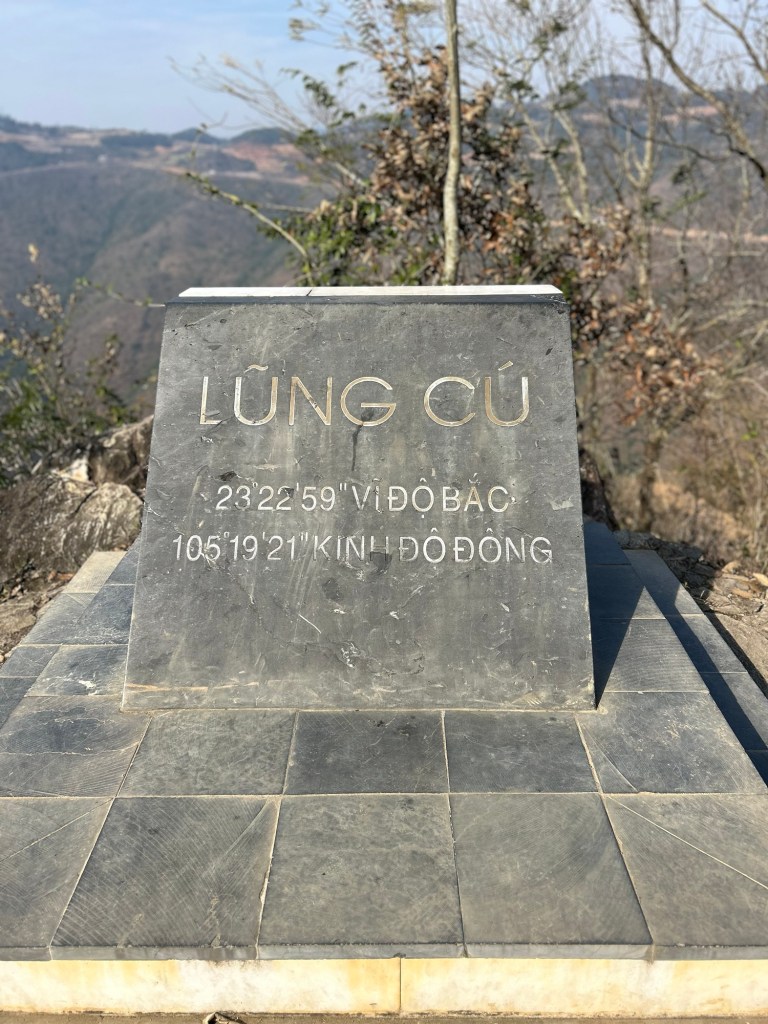
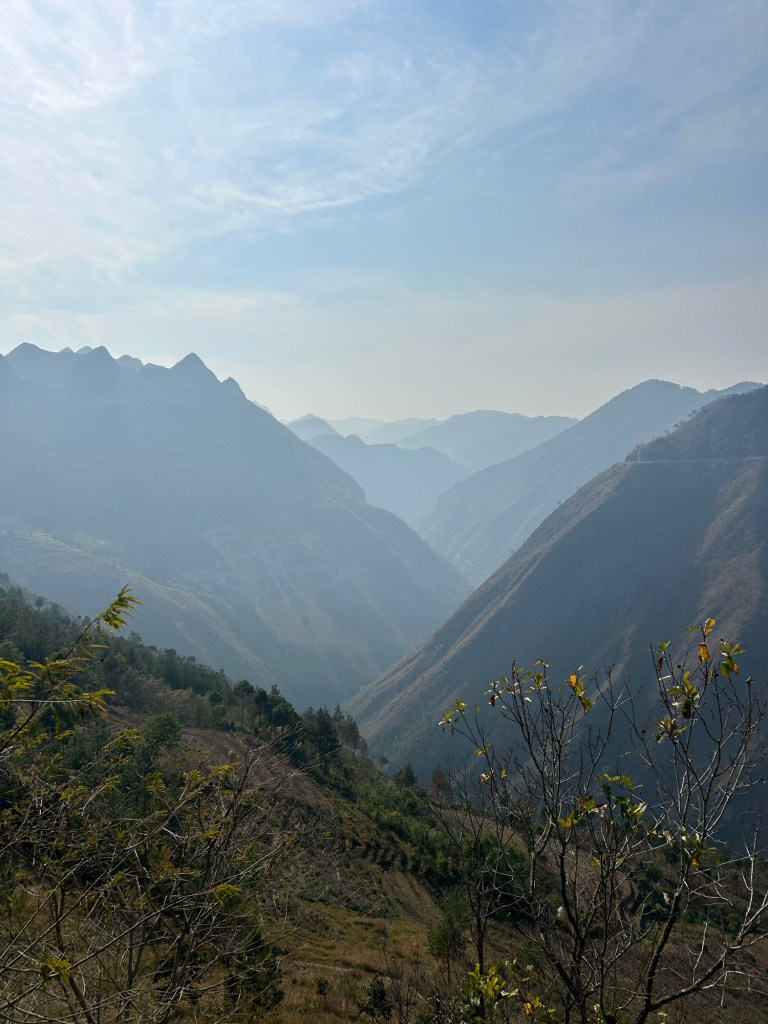
Returning to Dong Van, we made another stop to soak in the stunning scenery before checking into our hotel, which had an incredible view.
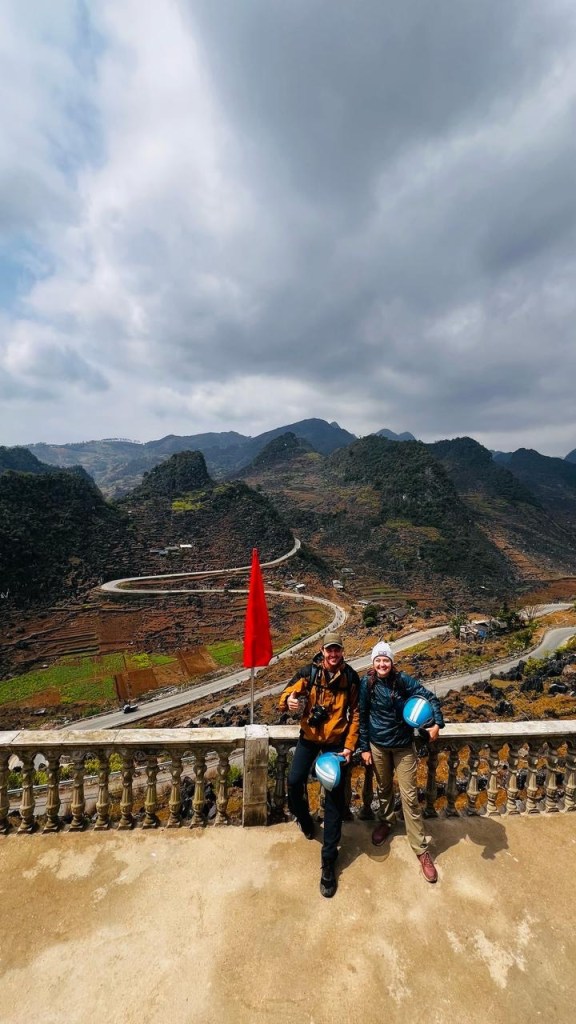
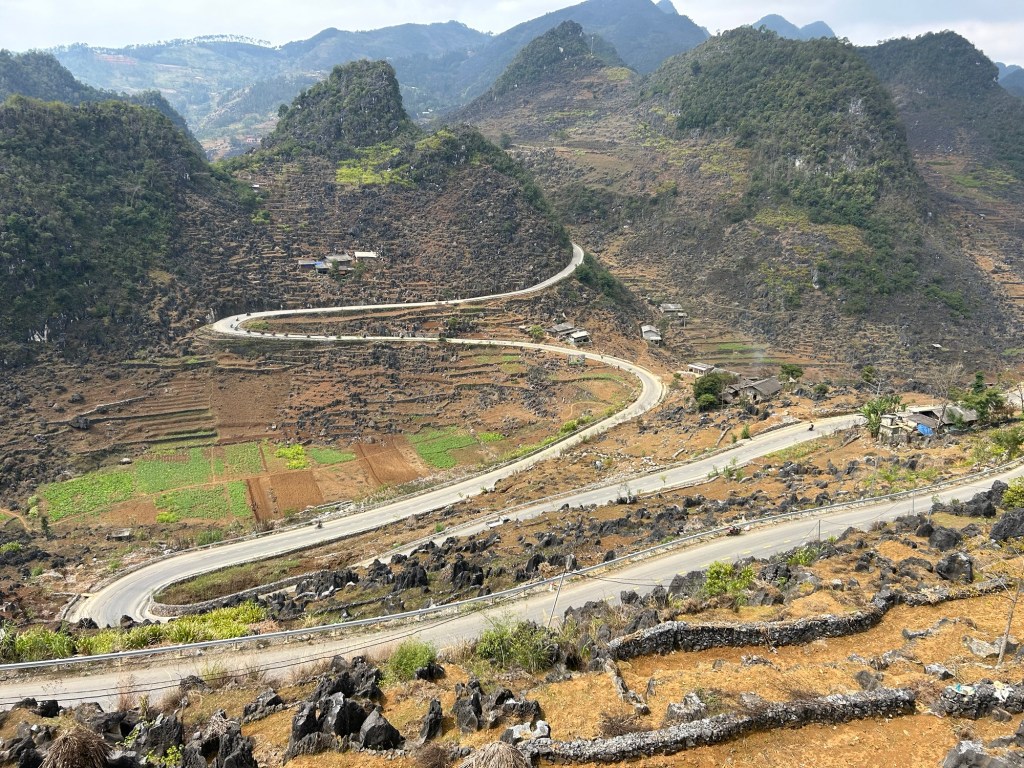
Day 3: Ha Giang Loop – Day 3 Summary
We kicked off the day by visiting the Youth Volunteer Monument, honoring the 1,000+ young people who built the Happiness Road (1959-1965), which connected remote ethnic communities and improved access to education, healthcare, and electricity.
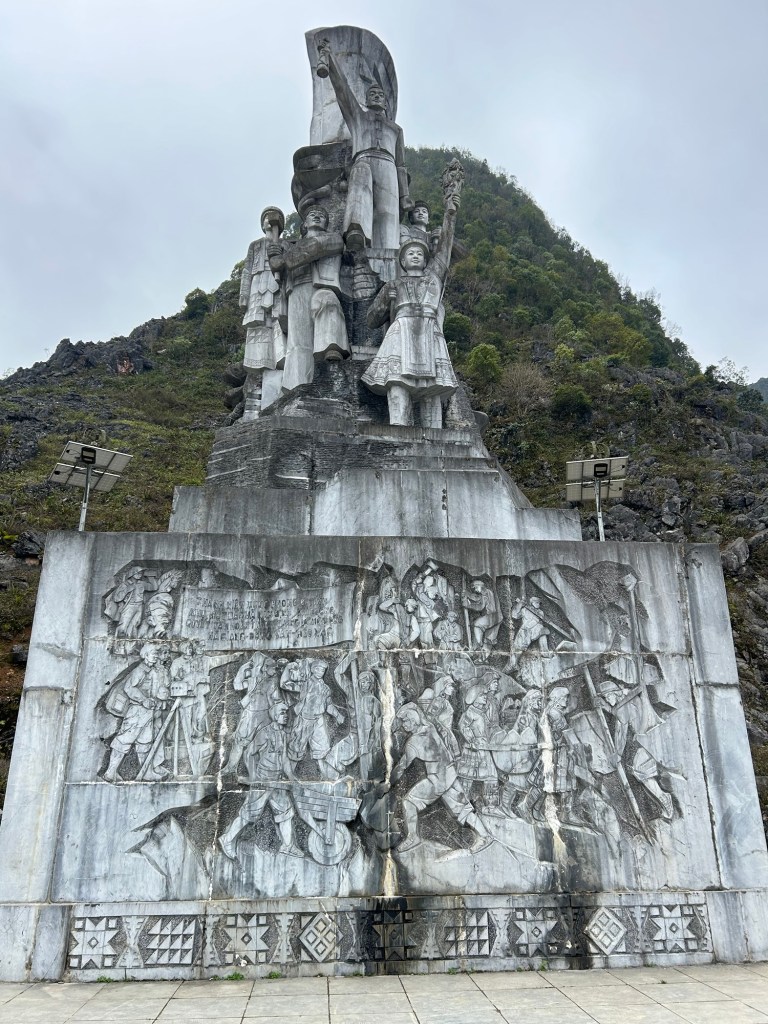
Next, we attempted to ride up to Ma Pi Leng Pass, the highest point on the Happiness Road. Since motorbikes weren’t allowed without payment, our guides took us the “local way”—a steep, switchback footpath. After reaching the top, we completed a 3km trek along the mountainside, passing through a village before continuing our ride.
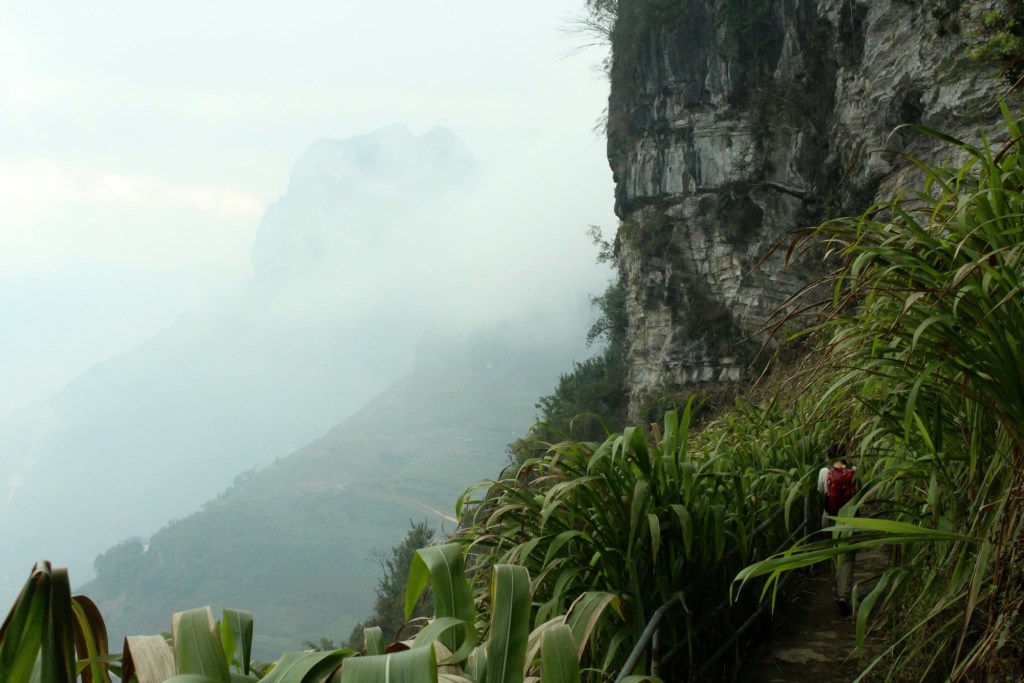
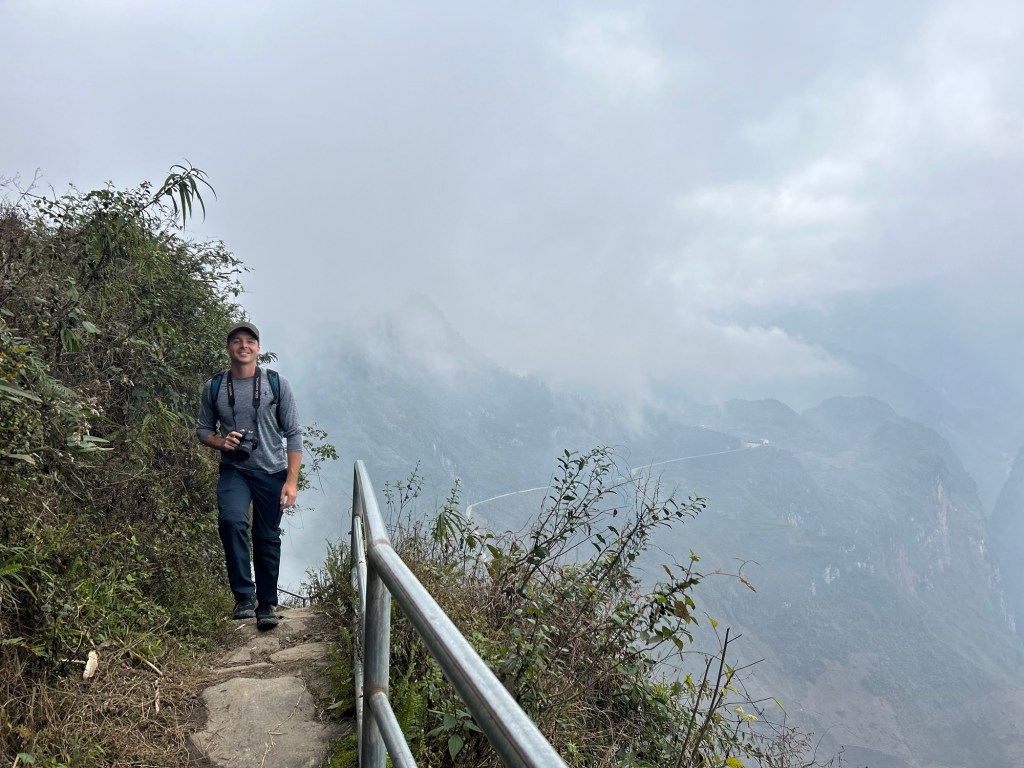
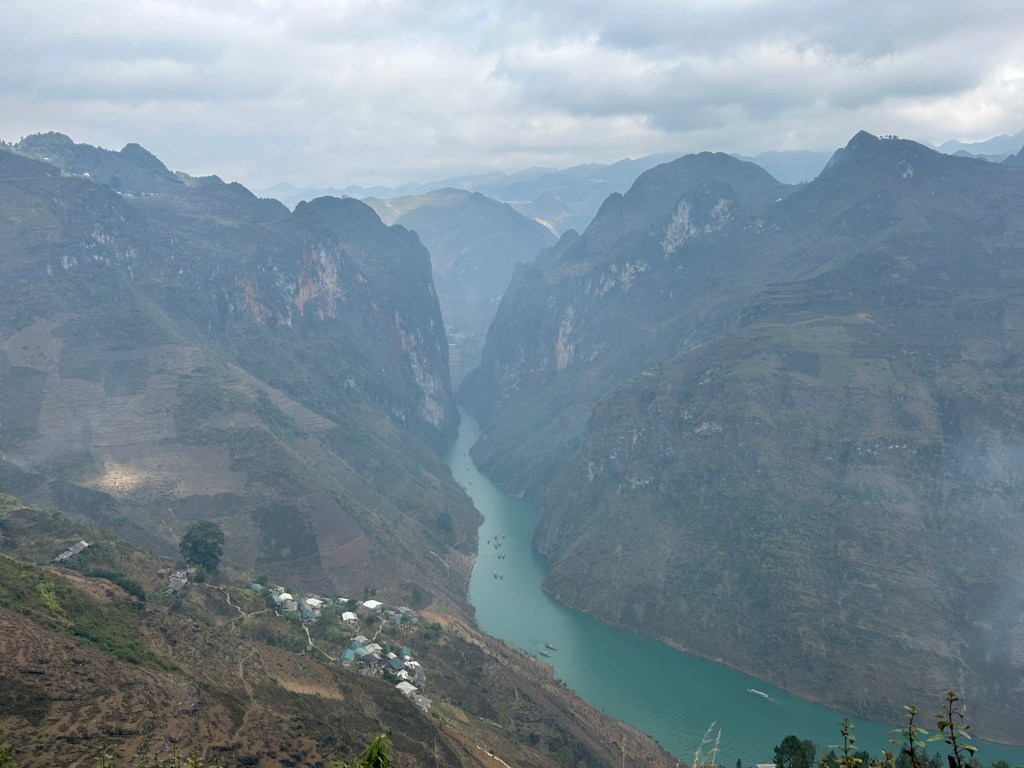
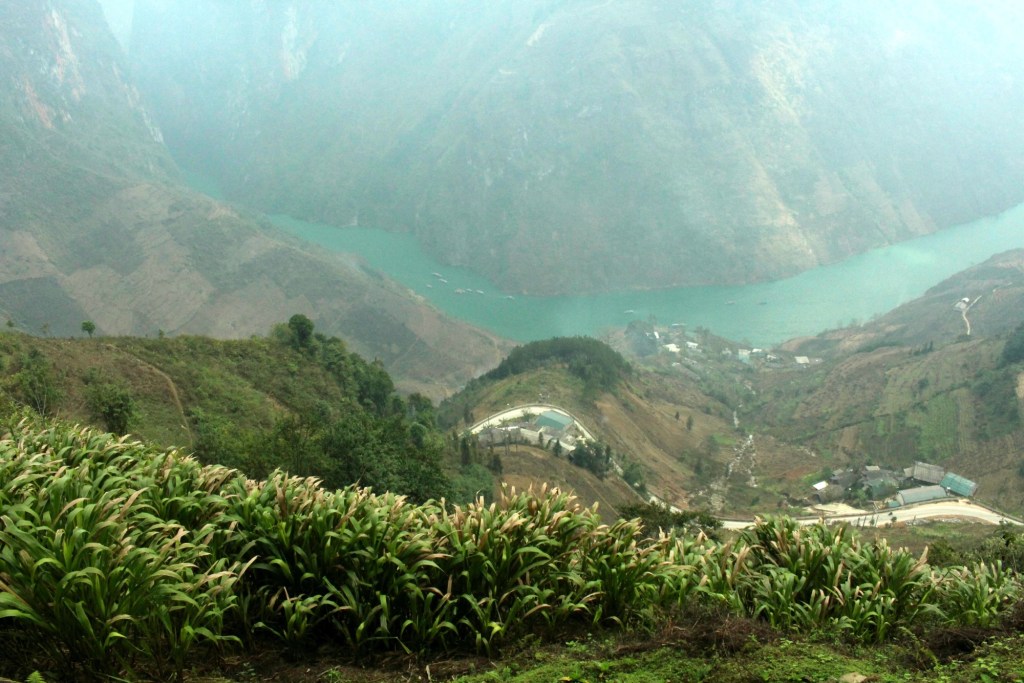
After lunch, our guides suggested swimming, leading us off the main road to a bamboo raft crossing that took us to a hidden swimming spot.
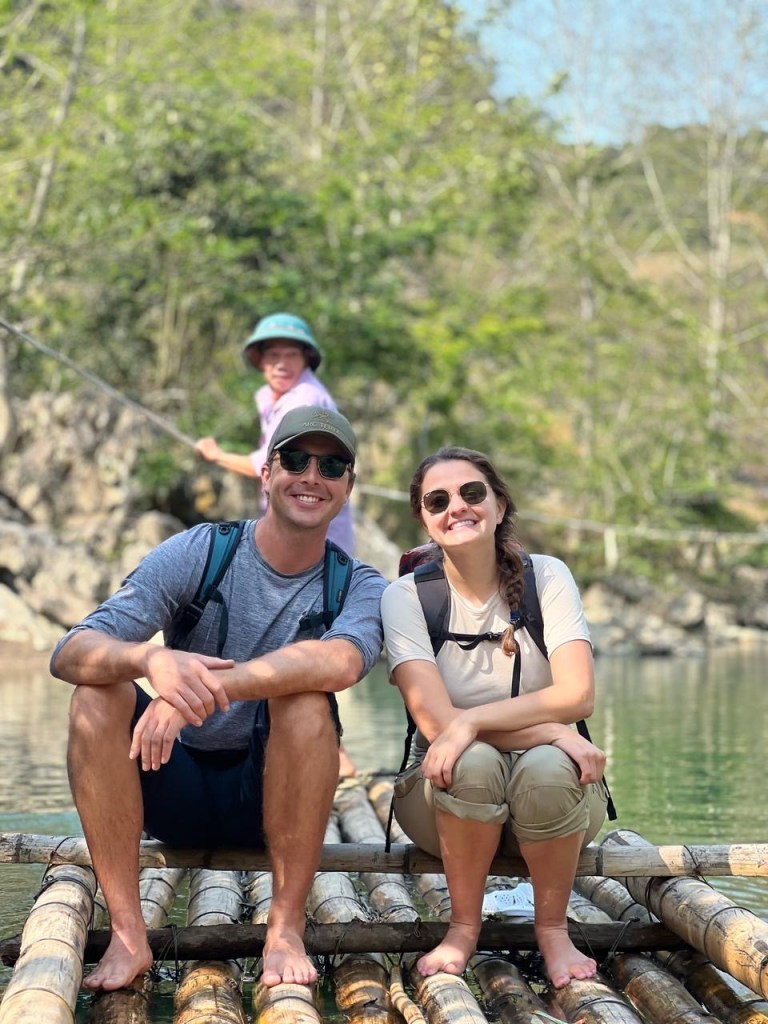
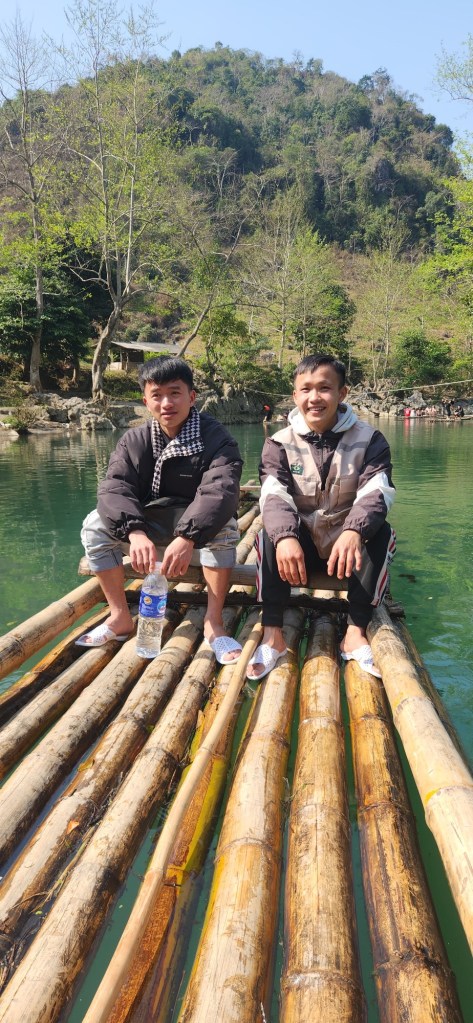
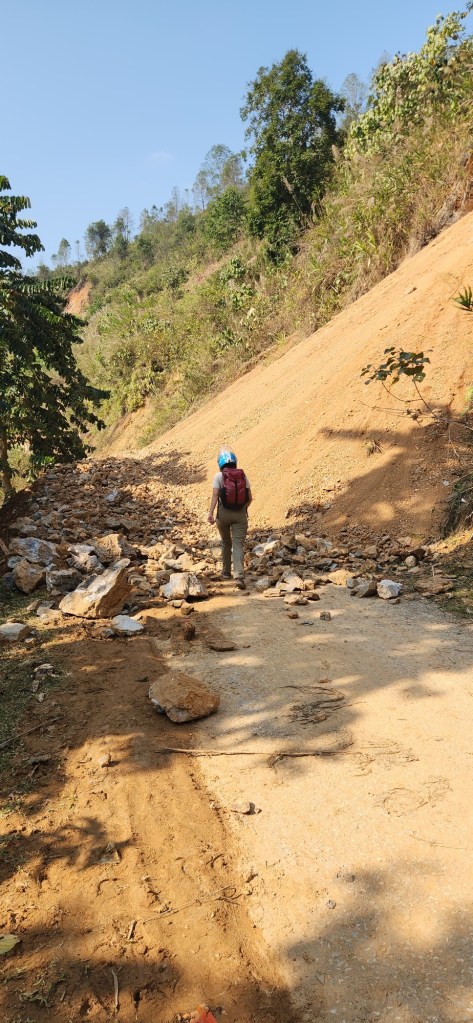
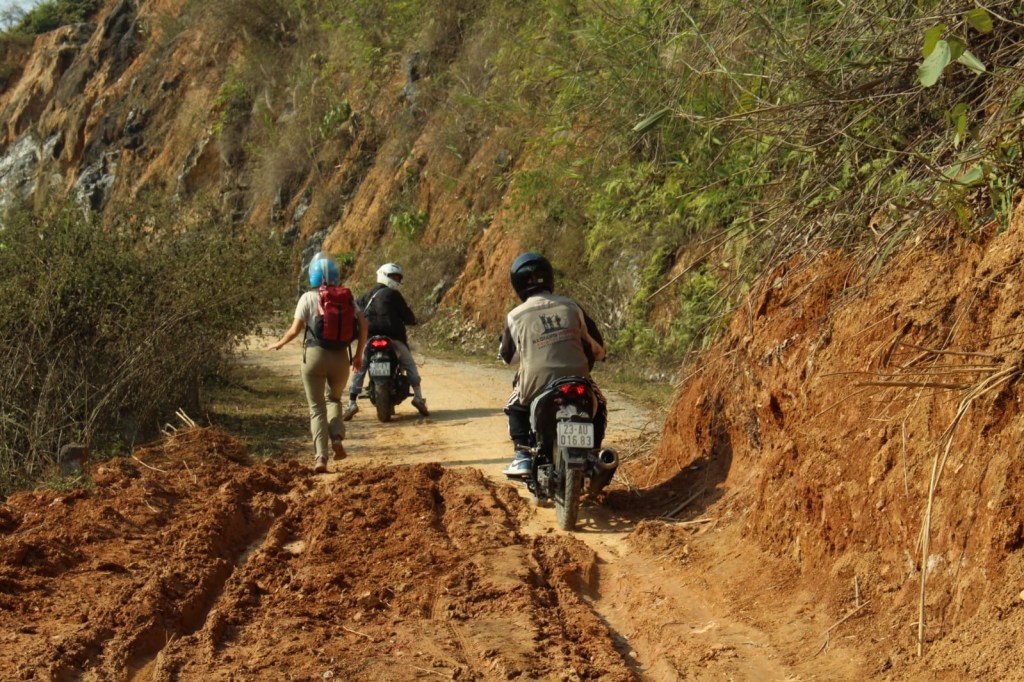
From there, we unknowingly took an unfamiliar path—both of our guides, despite each doing the loop 100+ times, had never driven it before (we were down)! The adventure continued as we navigated a landslide-covered road, following dirt bike tracks to push forward. We passed through remote villages with no other travelers, making for a peaceful and scenic ride.
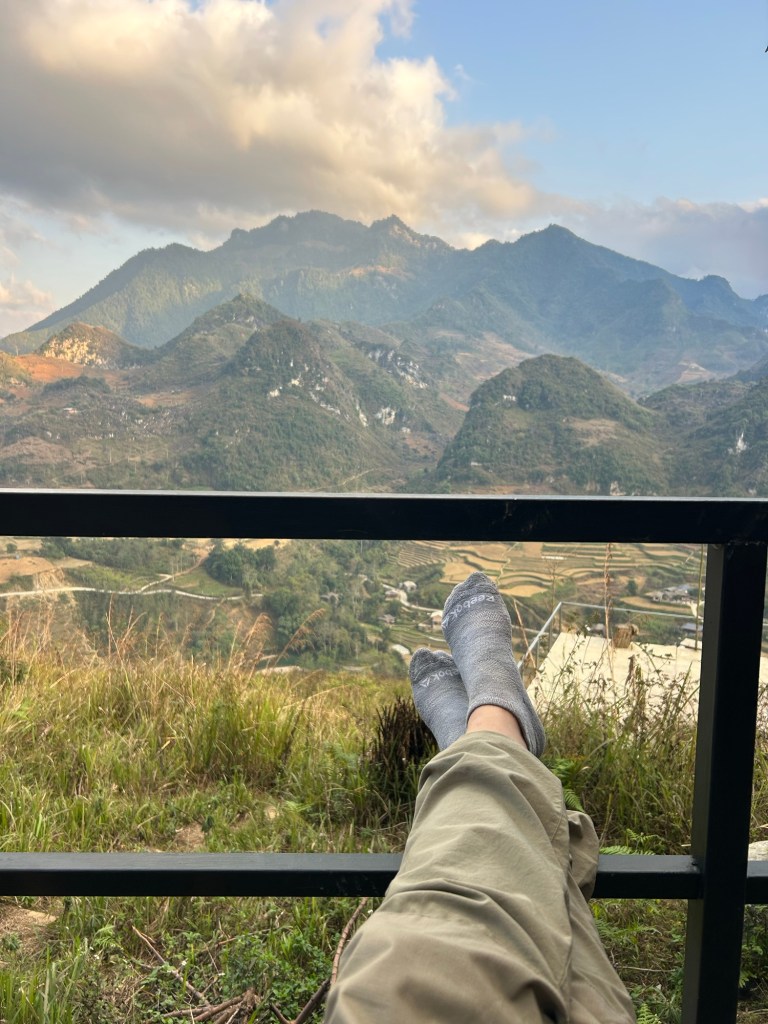
By evening, we reached a mountainside homestay with stunning views overlooking the valley. At dinner, we met a Belgian traveler—someone I had unknowingly taken a photo/video for the day before! We spent the night chatting and ended the day with some karaoke alongside her driver.
Day 4: Ha Giang Loop – Day 4 Summary (Final Day)
After a rough night of rice wine (“happy water”), Mat was feeling the effects, and I had a late night. Despite this, our guides Hai and Thang arrived, and we set off at 9 AM. Along the way, we passed our Belgian friend, who wasn’t feeling well either.
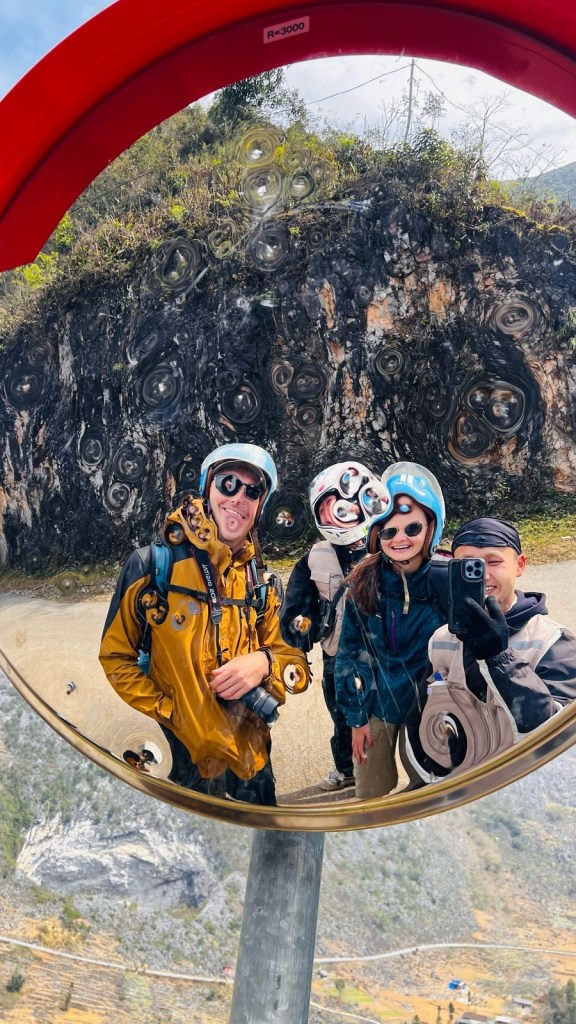
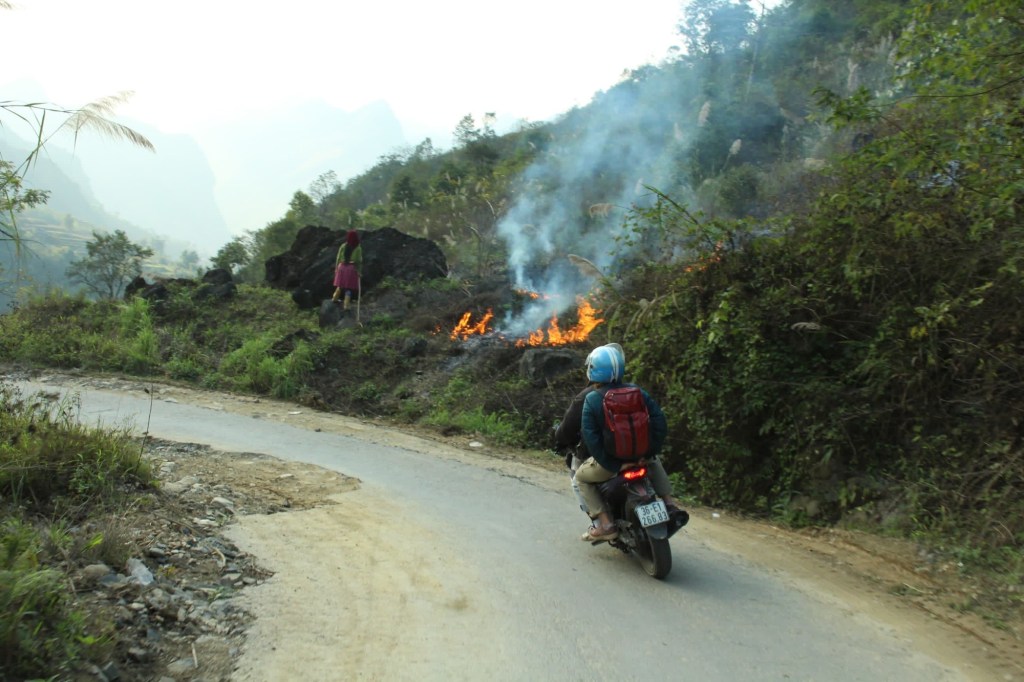
We took a less popular route with minimal traffic, passing through a small Sunday market in a town center, bustling with locals selling clothes, food, and household items. The road conditions were rougher today, with a mix of cement, dirt, and rocks.
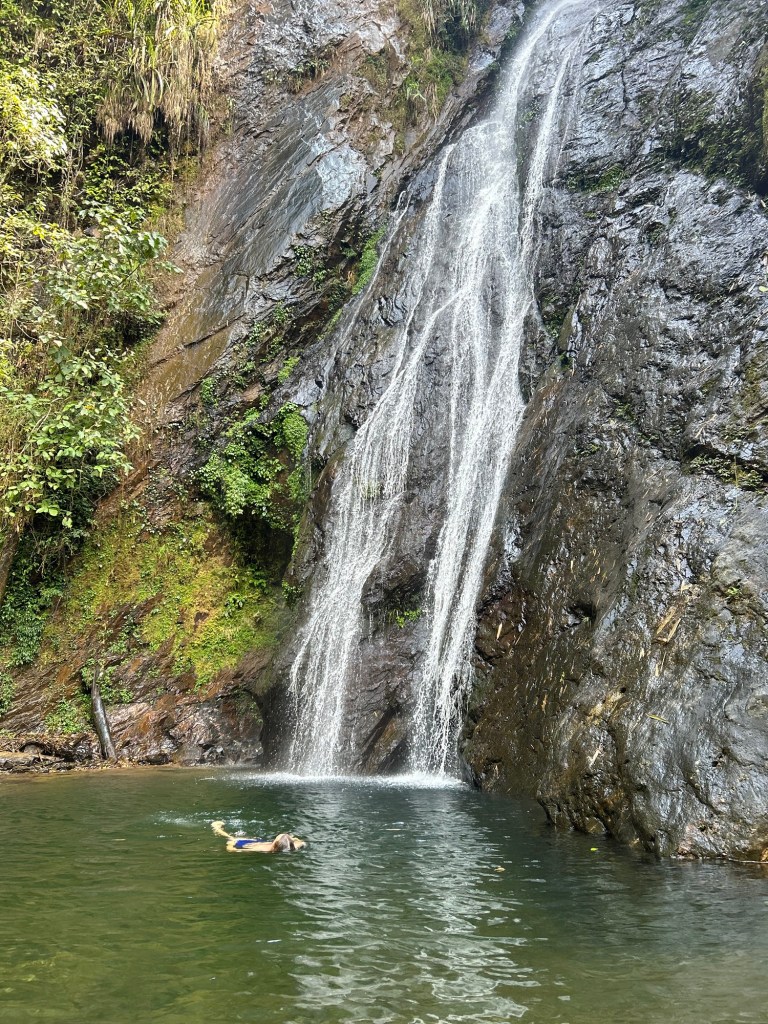
One of the highlights was stopping at a waterfall, where we climbed up 180 steps—Mat went for a swim while I just dipped my toes. We then wrapped up the loop with two final scenic viewpoints, the last being at a coffee shop overlooking Ha Giang city.
Back in Ha Giang, we said our goodbyes to Hai and Thang, checked into our hotel, showered, and then went next door for burgers to end the adventure on a satisfying note.
Cruising Halong Bay
After a frustrating bus journey from Ha Giang to Hanoi, which involved long delays, reckless driving, and an unexpected taxi transfer, we finally made it back to the Old Quarter, grabbed pizza, did some shopping, and settled in for the night.
The next morning, we were picked up at 8:30 AM for our Halong Bay cruise. The journey included a stop at a pearl shop, highlighting the region’s pearl industry, and also counting as a massive tourist trap, corralling you through a maze of pearl shops. After arriving at the dock, we took a small transfer boat to our main cruise ship, joining about 20 other travelers. After checking into our rooms and having lunch, we were dropped off to walk through a large cave system before visiting a pearl farm, learning how oysters are seeded to cultivate pearls. We then kayaked around the farm, returned to the boat for snacks and dinner, and ended the night with squid fishing (no squid’s were caught).
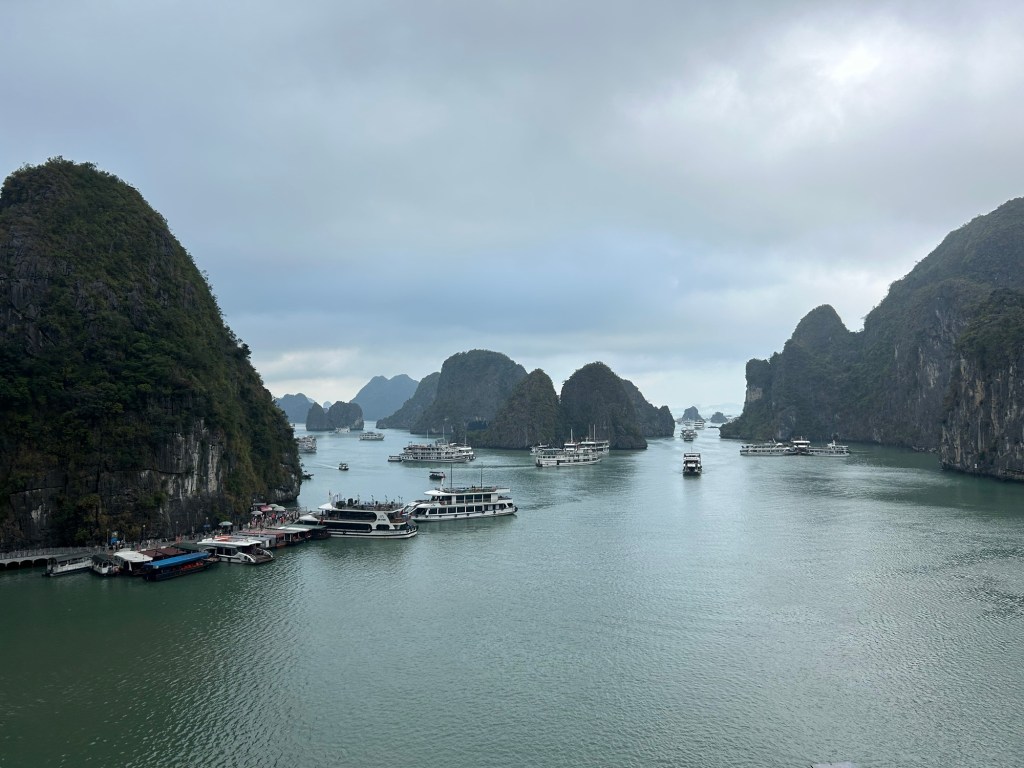
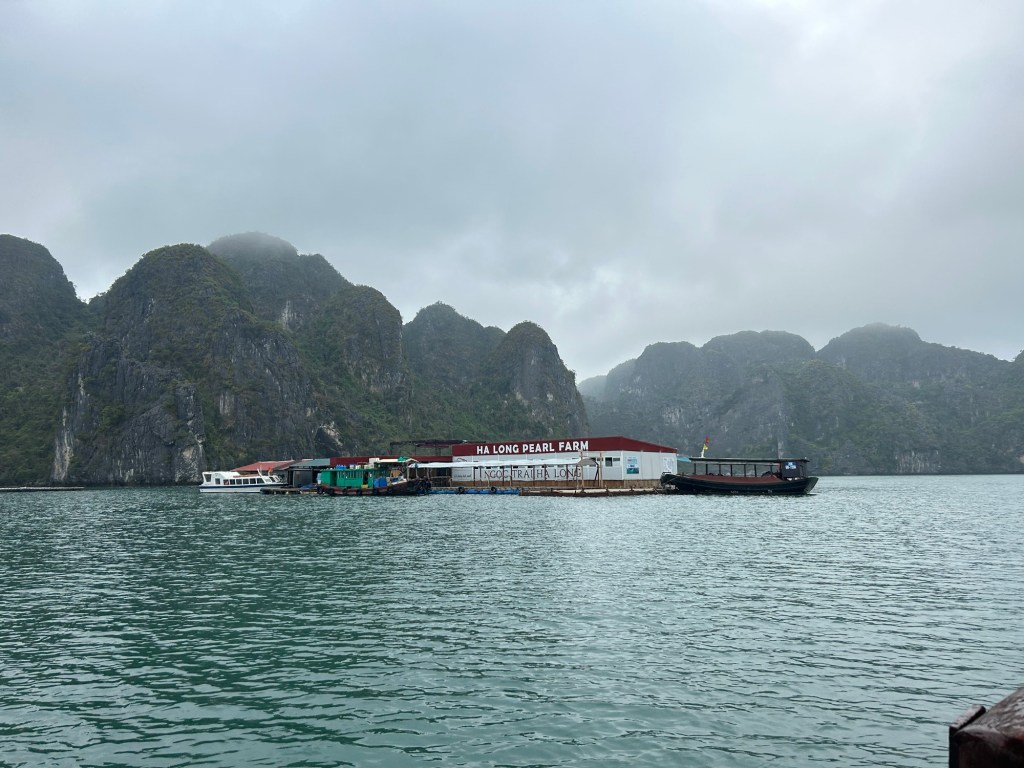
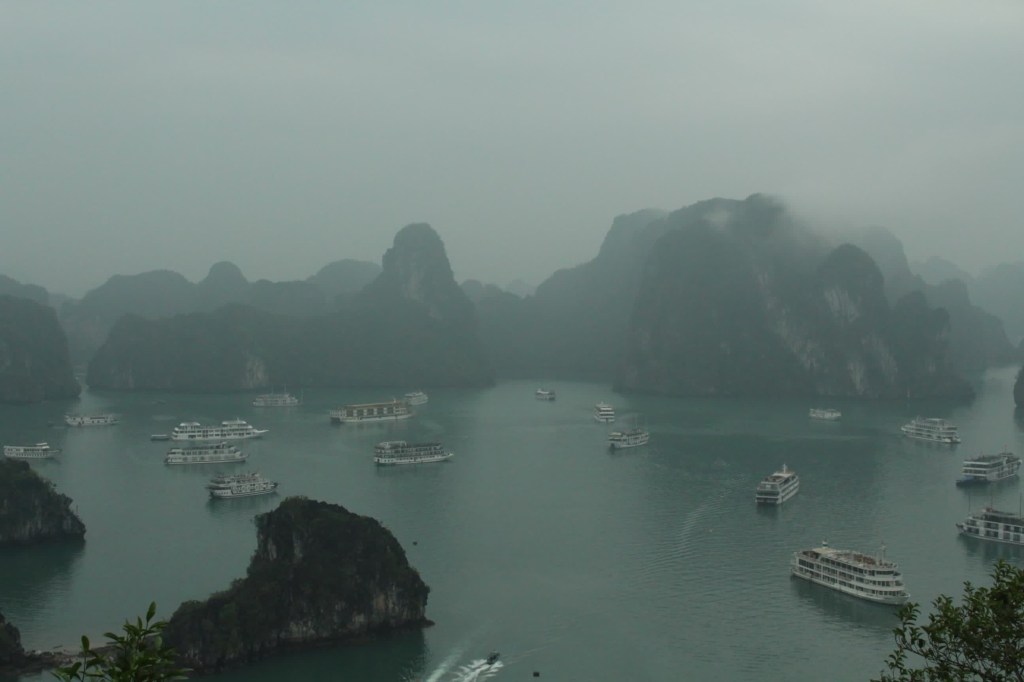
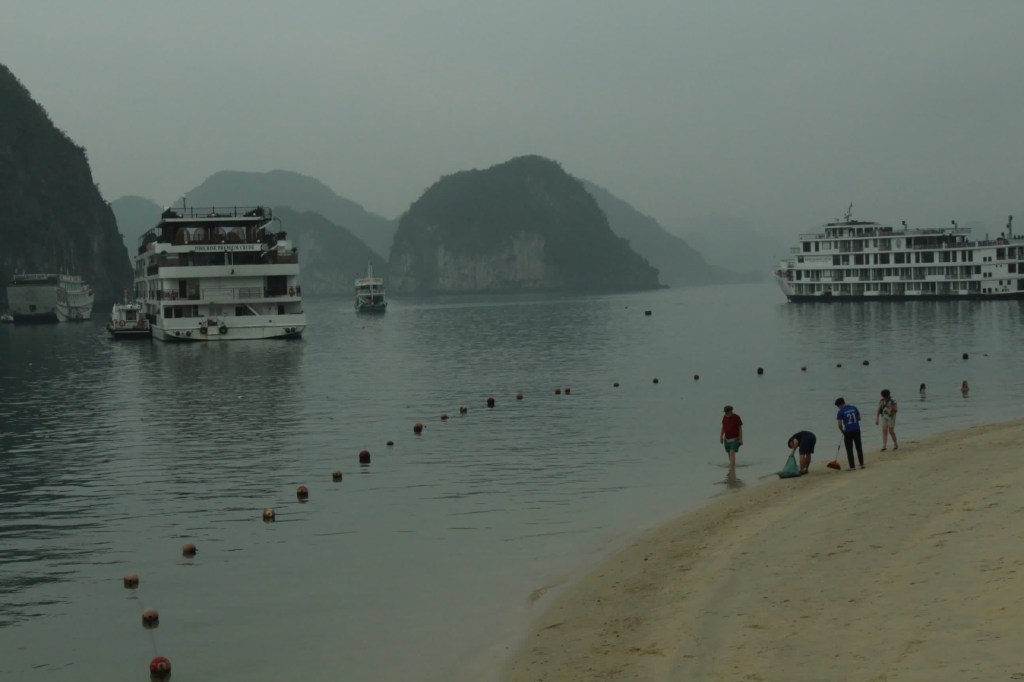
On our final day, we had an early breakfast at 7 AM before heading to Ti Top Island, where we hiked to a viewpoint for stunning bay views. Back on board, we packed up, joined a short spring roll-making session, had lunch, and then returned to the dock. A bus took us back to Hanoi, where we spent the evening walking around, and enjoying dinner. Taking the next day to relax and prepare for our flight out of the country, heading to our next stop, Indonesia!

 Roam With Us